How to Clean Silver Costume Jewelry
Silver costume jewelry adds a bright, fashionable touch to outfits without the cost of precious metals. Over time, oils, sweat, and environmental factors can dull its shine or leave tarnish. This guide explains practical steps to restore luster while protecting delicate pieces.
Readers will learn safe routines and tools to refresh silver-tone accessories, from gentle cleaning to maintenance habits that extend their life.
Quick Answer
For most silver costume pieces, start with a dedicated silver jewelry cleaning kit and a polishing cloth. Use a soft cloth or a gentle cleaner to avoid scratching, and finish with a rinse and dry. For deeper tarnish, an ultrasonic cleaner can be effective, but test on a small area first to ensure finish integrity.
What You’ll Need
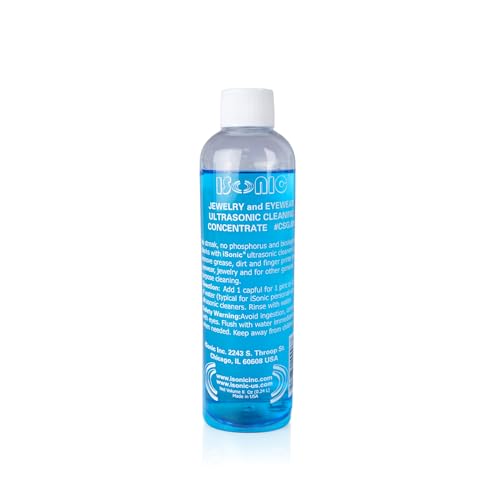
- Silver jewelry cleaning kit for costume jewelry including polishing cloth and cleaning solution
- Silver polishing cloth for costume jewelry
- Ultrasonic jewelry cleaner for silver and costume jewelry


Before You Start
Check each piece for loose settings, glued components, or enamel and pearls, which may be damaged by moisture or cleaners. If a piece has stones or delicate finishes, opt for the gentlest method first. Plan for a quiet cleaning session that doesn’t rush the drying process. Avoid soaking jewelry with glued elements or glued crystals.
Time estimate: 10–20 minutes for routine cleaning; up to 45 minutes for tarnish removal on several pieces. Always work in a bowl or sink to catch drops and keep surfaces protected.
Step-By-Step: How To Clean Silver Costume Jewelry
- Inspect each piece for damage and identify components that may require special care.
- Gently wipe away surface dust with a dry, lint-free cloth.
- Apply a small amount of the cleaning solution from the silver jewelry cleaning kit to a microfiber cloth.
- Rub the jewelry lightly in a circular motion, focusing on tarnished areas but avoiding stone settings or glued components.
- If using a silver polishing cloth, buff the piece until the shine returns, then wipe away any residue.
- Rinse pieces under lukewarm water if the kit instructions allow, or use a damp cloth to remove cleaner residues.
- Pat dry with a soft towel and allow to air dry completely before wearing or storing.
- For heavy tarnish, follow the kit’s guidance on ultrasonic cleaning, testing a small area first.
- Store cleaned jewelry in a dry, tarnish-resistant pouch or compartment to minimize future exposure.
Troubleshooting
| Symptom | Likely Cause | Fix | Prevention |
|---|---|---|---|
| Dull or speckled finish after cleaning | Residue or incompatible cleaner | Gently re-clean with a fresh cloth and rinse, then dry | Test cleaners on a small area first |
| Pieces turning dark again quickly | Storage in humid environment | Store in a dry, airtight pouch | Keep away from moisture-prone spaces |
| Color loss on enameled or plated areas | Overly aggressive rubbing | Switch to very light brushing with a soft cloth | Use gentler methods for delicate finishes |
| Stones look cloudy | Cleaner seepage around settings | Rinse with clean water and pat dry carefully | Avoid soaking glued stones |
Common Mistakes
- Using abrasive cleaners or rough cloths on delicate finishes
- Avoiding test patches on vintage or enamel pieces
- Over-soaking jewelry or applying excessive cleaner
- Neglecting drying, which can promote further tarnish
Choosing the right method for each piece minimizes scratches and preserves color and shine over time.
Tips For Best Results
- Clean jewelry in a well-lit, clean workspace to spot residual tarnish easily
- Work with the piece in a controlled, flat area to prevent drops
- Dust or wipe pieces between wears to reduce buildup
- Avoid household cleaners that contain ammonia or bleach, which can damage finishes
- Use the ultrasonic cleaner only when the finish is sturdy and stones are secure
Call A Professional
Seek professional help if a piece has loose stones, visible cracks in plating, or if tarnish persists after several cleaning attempts. Stop cleaning and contact a jeweler when you notice any widening gaps, loose components, or potential safety concerns for the wearer.
FAQ
Can I clean silver costume jewelry with toothpaste?
Toothpaste is abrasive and can scratch delicate finishes; use dedicated cleaning products or polishing cloths instead.
Is it safe to use an ultrasonic cleaner on all costume jewelry?
Not always. Test first and avoid pieces with glued stones or fragile enamel; if in doubt, skip ultrasonic cleaning.
How often should I clean silver costume jewelry?
Clean periodically to remove oils and sweat, or when pieces look dull; routine light maintenance is usually sufficient.
What storage helps prevent tarnish?
Store in airtight or anti-tarnish pouches in a cool, dry place away from direct sunlight.
Buying Guide
When selecting products to care for silver costume jewelry, consider size and surface area, compatibility with costume finishes, and ease of use. A bundled silver jewelry cleaning kit for costume jewelry that includes a polishing cloth and a dedicated cleaning solution is convenient for regular maintenance. An additional silver polishing cloth specifically for costume jewelry can be used for quick touch-ups, while an ultrasonic jewelry cleaner for silver and costume jewelry offers a deeper clean for durable pieces.
Key buying factors include:
- Size and coverage: Larger kits cover more pieces, while smaller kits are portable for travel
- Noise level and energy use in ultrasonic cleaners
- Energy efficiency and safe operation times for ultrasonic devices
- Control options: simple manual cloths vs. programmable cleaners
- Placement: a dedicated cleaning area reduces risk of spills and contamination
Consider planned cleaning frequency, the types of finishes on your pieces (antique plating vs. modern coatings), and the presence of stones or enamel. A balanced approach using a kit for routine care plus a polishing cloth for quick shines typically yields best results.
Leave a Reply