How to Clean a Silicone Nectar Collector Safely and Effectively
Silicone nectar collectors are popular for their durability and heat resistance, but they still require regular cleaning to maintain flavor and performance. This guide walks American users through a practical, step-by-step method that minimizes mess and preserves material integrity.
Quick Answer
Best method at a glance: use isopropyl alcohol 99% to loosen resin, silicone nectar collector cleaning brush to scrub interior surfaces, then rinse thoroughly with warm water and dry completely. For stubborn residue, repeat as needed and finish with a quick dry run to ensure no alcohol scent remains.
What You’ll Need
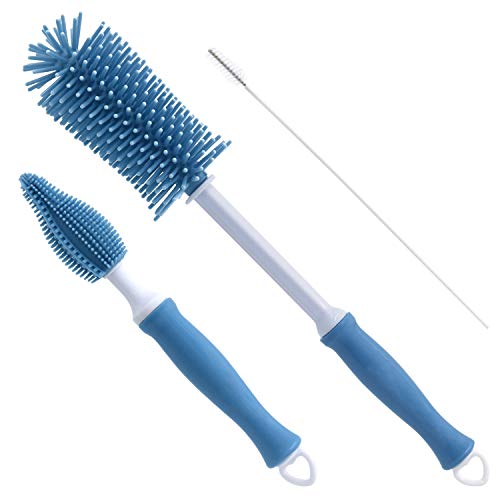
- silicone nectar collector cleaning brush or small pipe cleaners
- isopropyl alcohol 99% for cleaning dab tools
- Container or bag large enough to submerge parts
- Warm water for rinsing
- Soft cloth or paper towels for drying


Before You Start
Preparation matters. Clear a workspace, protect surfaces with a towel, and ensure the device is completely cool before cleaning. Never use boiling water or harsh solvents on delicate components. If the nectar collector has removable parts, detach them to reach all crevices. Plan for a 15–30 minute clean session, plus extra time for drying. Always ventilate the area when using isopropyl alcohol to avoid fumes accumulating in small spaces.
Step-By-Step: How To Clean A Silicone Nectar Collector
- Disassemble the unit: remove any mouthpiece, tip, and collection chamber to expose all surfaces.
- Rinse with warm water: gently rinse each part to remove loose debris before applying solvents.
- Soak in alcohol: submerge the silicone parts in a container with isopropyl alcohol 99% for 10–15 minutes to loosen resin.
- Scrub with the brush: use the silicone nectar collector cleaning brush to scrub interior surfaces and hard-to-reach corners.
- Rinse again: rinse under warm running water to remove dissolved resin and alcohol residue.
- Inspect and repeat if needed: check for remaining buildup. If necessary, repeat soaking and brushing for stubborn spots.
- Dry thoroughly: pat dry with a soft cloth and let all parts air-dry completely before reassembling.
- Reassemble and test: once dry, reassemble and perform a quick airflow check to ensure no moisture remains in the channels.
- Store properly: keep in a clean, dry place away from direct sunlight to avoid material degradation.
- Optional quick rinse after use: a brief rinse after each session reduces deep-clean frequency.
Troubleshooting
| Symptom | Likely Cause | Fix | Prevention |
|---|---|---|---|
| Residue remains after soaking | Residue is stubborn or sticky | Soak longer and scrub with a stiffer brush; repeat as needed | Clean promptly after sessions to prevent buildup |
| Alcohol fumes linger | Insufficient rinsing | Rinse thoroughly with warm water; air-dry completely | Rinse immediately after soaking |
| Parts feel tacky after drying | Residual alcohol or moisture | Wipe with dry cloth, air-dry longer | Ensure complete drying before reassembly |
| Cracked silicone or discoloration | Exposure to harsh solvents or heat | Switch to gentler cleaning methods; replace if damaged | Avoid excessive heat and reuse of old cleaning agents |
Common Mistakes
- Using hot water or boiling liquids on silicone parts.
- Over-soaking non-silicone components that can be degraded by solvents.
- Skipping a thorough rinse, leaving alcohol or residue behind.
- Neglecting to dry completely, which can lead to mold or odor.
Keeping a routine that targets both interior and exterior surfaces helps extend the life of the device and preserves flavor quality.
Tips For Best Results
- Use the silicone nectar collector cleaning brush with soft, controlled strokes to avoid abrasion.
- Consider a dedicated cleaning kit such as a dabbing tool cleaning kit silicone nectar collector to organize brushes and picks.
- Rinse with clean water after each soak to prevent alcohol residues from building up.
- Label the cleaning solution container to avoid cross-contamination with other tools.
- Air-dry the parts on a clean surface, turning them occasionally to ensure complete drying.
Call A Professional
Most cleaning needs can be handled at home, but seek professional assistance if you notice persistent odor, significant cracks, or degraded silicone that affects function. Stop using the device if you observe any leakage, cracking, or compromised seals, and consult a specialist for evaluation.
FAQ
Is isopropyl alcohol 99% for cleaning dab tools safe on silicone?
Yes, when used in moderation and thoroughly rinsed, it is safe for silicone and evicts resin effectively.
How often should I clean my silicone nectar collector?
Clean after every few sessions or when buildup is noticeable to maintain flavor and airflow.
Can I use other solvents to clean the collector?
Water-based cleaners or milder solvents can be alternatives, but they may be less effective on resin buildup.
What if the brush doesn’t reach all areas?
Use flexible pipe cleaners or shorter, sharper tools to access tight channels, then rinse thoroughly.
Buying Guide
When choosing a silicone nectar collector and cleaning accessories, consider size, compatibility, and ease of maintenance. A larger unit may collect more resin but can be harder to clean in tight corners. Look for silicone that is heat-resistant and easy to sanitize. For noise and energy considerations, most cleaning processes don’t require power, but keep in mind the need for warm water and gentle agitation. Controls aren’t usually part of the cleaning process, but having clearly labeled storage containers and a dedicated cleaning station helps minimize cross-contamination. Placement matters; store parts away from direct sunlight to prevent material degradation and odor migration. Finally, compare a silicone nectar collector cleaning brush and dabbing tool cleaning kit silicone nectar collector to ensure you have the right tools for thorough cleaning and ongoing maintenance.
Leave a Reply