How to Clean a Silicone Drying Mat
Silicone drying mats are a popular kitchen accessory due to their durability and easy cleanability. Over time, water spots, soap scum, and food debris can accumulate on a silicone mat, making it look dull and harboring residue. This guide provides a practical, step-by-step approach to keep your silicone drying mat spotless using common tools and safe cleaning methods.
Quick Answer
For a fast clean, rinse the mat with warm water, scrub with a soft-bristle or microfiber brush, and rinse again until all soap suds disappear. Air dry completely before reuse. For stubborn stains, soak in a mild solution, then scrub and rinse well. Regular cleaning prevents buildup and extends mat life.
What You’ll Need
- Silicone dish drying mat
- Cleaning brush with soft bristles
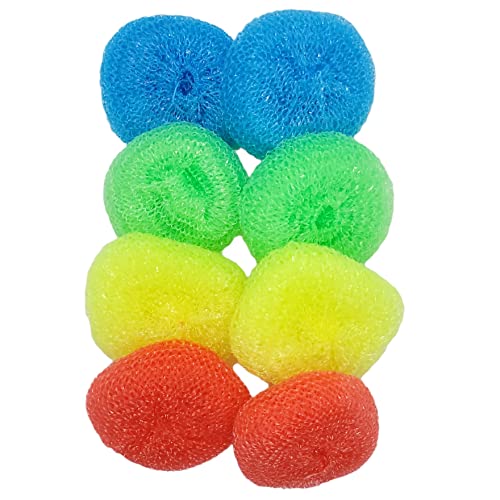
- Non-scratch nylon dish brush for silicone mat cleaning
- Microfiber cleaning cloth for silicone drying mat


Before You Start
Prepare a clean workspace and gather tools. Use warm water and a mild dish soap to avoid damaging the silicone’s surface. Avoid harsh chemicals and abrasive scrubbers that can scratch or degrade the silicone over time. If the mat is new, rinse it thoroughly to remove any manufacturing residue. Estimate cleaning time at 5–15 minutes depending on buildup.
Step-By-Step: How To Clean A Silicone Drying Mat
- Remove the mat from the rack and shake off loose debris. Place it on a stable surface.
- Rinse the mat with warm water to loosen soap and food particles.
- Apply a small amount of mild dish soap and spread it evenly across the mat.
- Use a soft-bristle cleaning brush or non-scratch nylon dish brush to scrub in circular motions, paying attention to edges and any grooves.
- Rinse thoroughly to remove all soap residue. A gentle spray helps reach all surfaces.
- For stubborn stains, soak the mat in warm, soapy water for 10–15 minutes, then re-scrub and rinse again.
- Wipe with a microfiber cleaning cloth to remove moisture and reduce spots.
- Air dry completely on a rack or towel before storing. Ensure no moisture remains to prevent mold.
- Inspect for any lingering residue. Repeat steps if necessary for a fresh finish.
- Store in a dry area away from direct heat to preserve elasticity and cleanliness.
- Regular weekly cleaning helps prevent buildup and keeps the mat looking new.
Troubleshooting
| Symptom | Likely Cause | Fix | Prevention |
|---|---|---|---|
| Stubborn stains persist | Old grease or coffee seepage | Soak longer in warm soapy water, then scrub with soft brush | Clean promptly after use; avoid letting substances dry |
| Faint odor remains | Soap residue or buildup | Rinse thoroughly, wipe with microfiber, air dry | Use mild soap and rinse completely |
| Mat feels tacky after cleaning | Residue from cleaner | Rinse well and air dry completely | Avoid strong cleaners; stick to mild soap |
| Discoloration | Deep staining from foods | Gently scrub with a dedicated brush; consider soaking | Rinse promptly after use |
Common Mistakes
- Using abrasive brushes that scratch silicone
- Using harsh chemicals or bleach on silicone mats
- Leaving soap residue or moisture to sit on the mat
- Prolonged soaking in hot water or strong cleaners that degrade silicone
Stick to mild soap, soft brushes, and thorough rinsing to maintain flexibility and appearance.
Tips For Best Results
- Clean the mat frequently to prevent mineral buildup from hard water.
- Dry the mat completely before reusing or stacking to prevent mold.
- Rotate mats if you have multiple to evenly wear cleaning cycles.
- Consider a dedicated brush with soft bristles specifically for silicone to avoid cross-contamination with other dishes.
Call A Professional
In most cases, silicone mats require simple at-home cleaning. Seek professional help if the mat shows deep cracking, persistent oil penetration that won’t lift, or signs of mold that do not respond to cleaning. Do not attempt repairs with heat, solvents, or rough tools.
FAQ
What is the best brush for cleaning a silicone mat?
A soft-bristle brush or a non-scratch nylon dish brush is ideal to avoid scratching the silicone while removing debris.
Can I use bleach or strong cleaners on silicone drying mats?
No. Avoid harsh chemicals that can degrade silicone over time; opt for mild dish soap instead.
How often should I clean my silicone drying mat?
Clean it weekly or whenever you notice residue or odors to maintain hygiene and performance.
Is it safe to machine wash my silicone mat?
Most silicone mats are not designed for machine washing; hand washing with a brush is recommended unless the manufacturer specifies otherwise.
Why does my mat have spots after washing?
Mineral deposits from hard water can cause spots; rinse thoroughly and wipe with a microfiber cloth, then air dry.
Can I sanitize my silicone mat?
Yes, you can sanitize by rinsing, then applying a mild sanitizing solution and rinsing again; ensure it dries completely.
How long does it take to air dry?
Most mats dry within a few hours; dry times increase in humid environments.
Buying Guide
When selecting a silicone drying mat, consider size, placement, and use context. A larger mat provides more space for drying multiple items, while a compact mat fits small kitchens or under sinks. Look for a mat with a slightly textured surface to promote airflow and quick drying. Noise level is generally not a concern, but consider how it fits with nearby appliances. Energy efficiency is not a major factor for a mat, but choosing a non-slip, heat-resistant mat helps stability. Controls are minimal—look for easy-to-clean designs and dishwasher-safe options if you prefer machine washing. Placement matters: under a dish rack or next to the sink should allow proper airflow for fast drying. Compare mats by thickness, flexibility, grip, and ease of cleaning. If you frequently deal with hard water stains, choose a mat with smooth surfaces that rinse cleanly. A lint-free microfiber cloth is handy for quick touch-ups after drying.
Leave a Reply