How to Clean Sidewalks Effectively With an Electric Pressure Washer
Sidewalk cleaning can restore curb appeal and remove stubborn grime, mildew, and oil stains. This guide explains a practical approach using common consumer equipment and a few specialty attachments to achieve professional-looking results at home.
Quick Answer
Best starter setup: a 2000 PSI electric pressure washer for concrete sidewalks paired with a rotary concrete surface cleaner attachment for pressure washer for wide, even cleaning, plus a heavy-duty concrete cleaner degreaser for sidewalks for tough stains. Start with a test area, use slow, overlapping passes, and rinse thoroughly.
What You’ll Need
- 2000 PSI electric pressure washer for concrete sidewalks
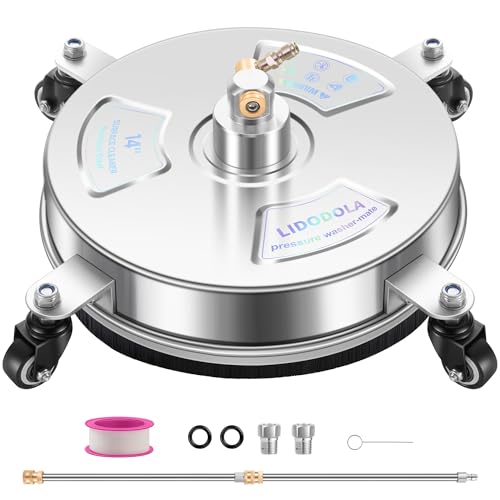
- Rotary concrete surface cleaner attachment for pressure washer
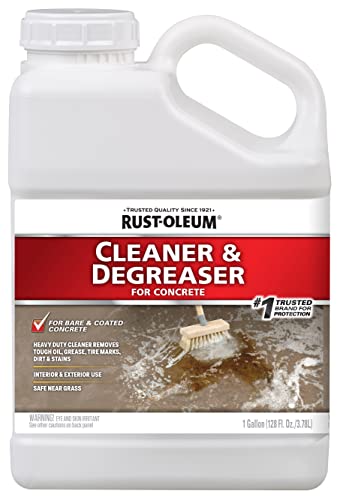
- Heavy-duty concrete cleaner degreaser for sidewalks
- Sturdy gloves, eye protection, and non-slip footwear
- Garden hose for pre-wetting and final rinse
- Stiff deck brush or push broom for pre-scrubbing
- Broom or leaf blower for debris removal

Before You Start
Assess the sidewalk for cracks or loose slabs. Seal any cracks before deep cleaning to prevent water intrusion. Protect nearby plants, metal fixtures, and painted surfaces with plastic sheeting or landscaping spray. Test the cleaner on a small, inconspicuous patch to confirm the degreaser won’t discolor concrete. Plan for a dry day or a light chance of rain to avoid on-going moisture. Wear eye protection and gloves, and keep children and pets away during cleaning to prevent accidents. A typical cleaning session may take 30–90 minutes depending on area size and stain severity.
Step-By-Step: How To Clean Sidewalks
- Clear the area of furniture, planters, and debris. Sweep loose dirt and leaves to create a clean work surface.
- Pre-wet the sidewalk with a garden hose to help the cleaning solution cling to the surface.
- Apply the heavy-duty concrete cleaner degreaser for sidewalks to oil or greasy stains. Let it dwell for 5–10 minutes, but do not let it dry.
- Rinse the area with the 2000 PSI electric pressure washer on a low-pressure setting to remove loosened grime and to activate the degreaser.
- Attach the rotary concrete surface cleaner attachment for pressure washer to cover more area with even exposure. Work in straight, overlapping passes, keeping the nozzle at a consistent height above the surface.
- For stubborn stains, reapply the degreaser and use a stiff brush to scrub into the concrete pores before revisiting with the surface cleaner.
- Switch to a higher spray setting or adjust the surface cleaner width as needed to maximize coverage while maintaining control.
- Rinse thoroughly with the pressure washer, moving in the same direction as your cleaning passes to avoid streaks. Use a final rinse around the edges and joints.
- Let the area air-dry completely. If necessary, perform a second pass for heavy staining or algae growth, following the same steps.
- Inspect the cleaned sidewalk for remaining spots. Apply a second round of degreaser on persistent areas and rinse again if needed.
- Clean and store all equipment after use, ensuring no chemical residue remains on brushes or hoses.
Troubleshooting
| Symptom | Likely Cause | Fix | Prevention |
|---|---|---|---|
| Streaks or uneven cleaning | Inconsistent spray pattern or height | Maintain a steady distance and overlap passes | Regularly check nozzle and surface cleaner for wear |
| Residual grease shows after cleaning | Degreaser insufficient dwell time or heavy stain | Reapply degreaser and rewash using the rotary attachment | Pre-treat known grease spots early |
| Pressure loss when cleaning | Clogged nozzle or kinked hose | Clear nozzle and straighten hose; ensure water supply is steady | Inspect hoses and fittings regularly |
| Concrete surface discoloration | Over-dwell of cleaner or chemical reaction | Rinse immediately and test a small area first | Choose a compatible degreaser for your concrete |
Common Mistakes To Avoid
- Using too much pressure on delicate sections or near edges to prevent chipping.
- Waiting too long after applying degreasers before rinsing, which can leave residues.
- Using a tiny or inappropriate attachment that increases cleaning time and reduces coverage.
- Neglecting pre-cleaning steps such as sweeping and pre-wetting, which reduces effectiveness.
Tip: Work in shade when possible to avoid rapid drying of cleaners, which can leave streaks or spots.
Tips For Best Results
- Keep the surface cleaner’s nozzle level and oriented to avoid gouging or rambling sudden streams.
- Use a fan or natural breeze to help dry the sidewalk after cleaning, reducing slip hazards.
- Apply degreaser only to stained areas to minimize chemical use and protect surrounding plants.
- Test small patches first when introducing new cleaning products or attachments.
Call A Professional
Consider a pro if there are extensive cracks, deep oil deposits, or weathered concrete with efflorescence. Stop and call a professional when you notice:
- Widespread cracks or spalling that appear worsened by water exposure
- Settling or uneven slabs indicating structural issues
- Persistent mold or mildew that resists standard cleaning methods
Professional services can safely seal cracks and apply protective sealants to prolong results.
FAQ
What is the best PSI for cleaning concrete sidewalks?
Most residential sidewalk cleaning benefits from 1800–2500 PSI. Start at the lower end if the surface is delicate, and increase only as needed for tough stains.
Can I use household cleaners for sidewalks?
Use cleaners formulated for concrete and follow label directions. Avoid bleach or ammonia on colored concrete, which can cause discoloration.
Do I need a surface cleaner attachment?
A rotary surface cleaner speeds up cleaning and reduces streaks on large flat areas, making it a practical upgrade for sidewalks.
How long does it take for sidewalks to dry after cleaning?
Drying time depends on temperature, humidity, and airflow, but typically a few hours on a warm, breezy day.
Is a degreaser necessary on all sidewalks?
No, only on oil or heavy grime stains. Light cleaning may suffice with water and mild detergent.
Should I seal the sidewalk after cleaning?
Sealing helps protect concrete but should be done after thorough drying and surface preparation, following manufacturer guidance.
What maintenance steps help keep sidewalks clean longer?
Regular sweeping, quick blotting of spills, and periodic resealing maintain cleanliness and prevent staining.
Buying Guide
Choosing the right tools for sidewalk cleaning depends on size, stain severity, and maintenance goals. Consider these factors to compare equipment and select a setup that fits your needs.
- <bSize and layout: For long sidewalks, a wide-area surface cleaner dramatically increases efficiency. For irregular paths, a versatile spray wand may be preferable.
- <bNoise level and energy use: Electric units tend to be quieter and more energy-efficient than gas-powered models, suitable for residential settings.
- <bControls and ergonomics: Look for easy-start systems, safe trigger locks, and a balanced design to reduce fatigue during extended cleaning sessions.
- <bAttachment compatibility: Ensure the surface cleaner attachment matches the pressure washer model and offers adequate spray coverage for concrete.
- <bStain handling: Heavy-duty degreasers are essential for oil stains; verify compatibility with your concrete type to avoid discoloration.
- <bPlacement and drainage: Plan for a runoff-friendly path with clear drainage to prevent pooling or runoff onto plants and driveways.
- <bMaintenance: Check availability of replacement nozzles, wands, and hoses. A reliable warranty reduces long-term ownership costs.
Ready to get started? With the right equipment and a careful approach, clean, bright sidewalks are within reach—even for first-time homeowners. If in doubt about stain severity or structural concerns, consider a professional assessment to set expectations and safety standards.
Leave a Reply