How to Clean Shower Mat Mold Effectively
Mold in a shower mat is a common issue in many American households, especially in humid bathrooms. Proper cleaning not only improves appearance but also reduces odors and potential health concerns. This guide provides a practical, step-by-step approach to removing mold from washable and non-washable mats, using commonly available tools and simple household cleaners.
The following steps focus on a safe, efficient method that minimizes moisture buildup and prevents recurrence. Readers will learn how to tackle embedded mold, refresh the mat’s surface, and maintain a cleaner bathroom environment overall.
Quick Answer
Immediate action: If you spot mold, rinse the mat to remove surface spores, then apply a mold-killing cleaner. For stubborn stains, soak the mat in a diluted hydrogen peroxide or vinegar solution before scrubbing. Dry completely after each use to prevent regrowth.
What You’ll Need
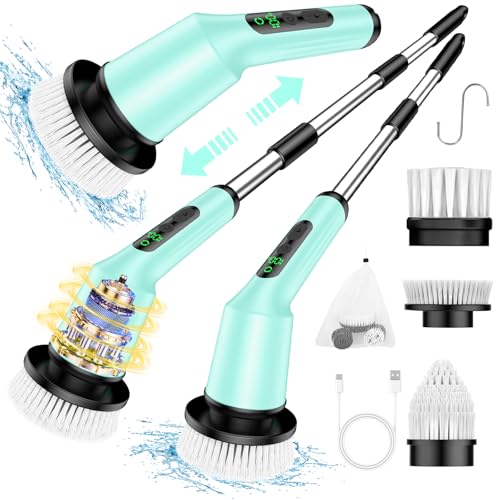
- Electric spin scrubber bathroom shower cleaning
- Nylon bristle shower mat scrub brush long handle
- Extendable reach bathroom grout brush set


Before You Start
Before tackling mold, inspect the mat for damage. If the mat has cracks or is sticky to the touch, consider replacing it to avoid ongoing mold growth. Clear the area of personal items and ensure good ventilation. Time estimate: 30–60 minutes for a thorough cleaning, plus 1–2 hours for drying if needed. Never mix bleach with ammonia or other cleaners as this can create dangerous fumes. Wear gloves and eye protection during the process.
Step-By-Step: How To Clean Shower Mat Mold
- Remove the mat from the shower and shake off loose debris outside to minimize inside-to-outside contamination.
- Rinse the mat with warm water to loosen surface mold and soap scum. Use the nylon bristle shower mat scrub brush long handle for hard-to-reach areas.
- Apply a mold-fighting cleaner suitable for bathroom mats. A common DIY option is a mix of equal parts white vinegar and water, or a hydrogen peroxide solution of 3% strength.
- Let the cleaner sit for 10–15 minutes to penetrate mold. If using vinegar, avoid prolonged contact with metal fixtures to prevent tarnish.
- Scrub the mat thoroughly, focusing on molded or discolored patches. For persistent spots, switch to the electric spin scrubber bathroom shower cleaning to boost agitation without excessive scrubbing.
- Rinse again to remove all cleaner residues. If any odor remains, repeat the cleaning cycle or treat with a small amount of baking soda paste, then rinse.
- Drain excess water and dry the mat completely in a well-ventilated area. A warm, sunny spot speeds drying and reduces recurrence risk.
- Reinstall the mat once it is fully dry. Consider placing the mat on a smooth surface or mat grippers to improve airflow beneath it.
- For ongoing prevention, clean the mat weekly and keep bathroom humidity low by using exhaust fans or opening a window during showers.
- After each shower, wipe down the mat and surrounding tile to remove moisture and reduce mildew buildup.
- Periodic deep-cleaning is recommended every 1–2 weeks, depending on usage and humidity levels.
Troubleshooting
| Symptom | Likely Cause | Fix | Prevention |
|---|---|---|---|
| Persistent mold streaks | Deep-set mildew in fibers | Soak in a stronger diluted solution (3% hydrogen peroxide or oxygen bleach as directed), then scrub | Regular quick cleans and ensure mat dries completely |
| Strong chemical smell after cleaning | Excess cleaner or improper ventilation | Rinse thoroughly and ventilate the area | Use milder cleaners and dilute as instructed |
| Mat stays damp after drying | Low airflow or heavy material | Place mat where air circulates and use a fan to accelerate drying | Choose quick-drying materials or mats with drainage holes |
| Color fading or fibers fraying | Harsh cleaners or aggressive scrubbing | Switch to gentler cleaners and shorter scrubbing sessions | Regular maintenance with milder products |
Common Mistakes
- Using bleach on colored mats or in poorly ventilated spaces
- Leaving the mat wet for long periods, especially in a humid bathroom
- Using hard bristles on delicate mats, causing fiber wear
- Skipping drying between uses, which invites regrowth
Tips For Best Results
- Choose a mat with moisture-wicking backing and drainage holes to reduce standing water.
- Schedule a quick weekly wipe-down after showers for ongoing cleanliness.
- Test cleaners on a small area first to ensure colorfastness and material compatibility.
- Keep a soft brush accessible in the bathroom for regular upkeep between deep cleans.
Call A Professional
Consider contacting a professional if
- The mold returns despite repeated cleaning attempts.
- There is noticeable water damage behind tiles or on the shower base.
- The mat is older, heavily degraded, or contains persistent odor that resists treatment.
FAQ
Can I use bleach to clean a moldy shower mat?
Bleach can be effective on mildew, but use it cautiously, especially on colored mats. Always dilute and ensure proper ventilation.
How often should I replace a shower mat?
Replace when fibers wear down, odors persist after cleaning, or mold recurs despite regular maintenance.
Is washing a shower mat in a washing machine safe?
Many mats are machine washable on a gentle cycle, but check the care label and use a mild detergent. Air-dry only.
What cleaning solution is safest for vinyl mats?
A 1:1 vinegar-to-water mix or hydrogen peroxide solution works well for vinyl without damaging the material.
How can I prevent mold between cleanings?
Keep bathroom humidity down, dry the mat after use, and wipe down surfaces to remove moisture regularly.
Should I scrub too hard when removing mold?
No. Use moderate pressure with a soft or nylon-bristle brush to avoid fiber damage and mat wear.
Buying Guide
When selecting a shower mat and related cleaning tools, consider size, material, and cleaning efficiency. For mold-prone bathrooms, a mat with quick-drying materials and built-in drainage helps reduce moisture time. Noise level matters if you use powered cleaning tools in small spaces; look for quiet operation settings on electric scrubbers. Energy efficiency is less relevant for handheld tools, but choose rechargeable options to minimize cord clutter. Controls should be intuitive, with multiple speed settings if using a spin scrubber. Placement matters: position the mat where air can circulate and avoid tight corners where moisture collects.
Compare options based on how well they handle mold, the ease of maintenance, and compatibility with your bathroom’s size and cleaning routine. Do you need a long-handled brush for reach, or a compact brush for tight corners? A balanced kit with a nylon-bristle brush, an extendable reach set, and a powered cleaning tool can streamline maintenance without harsh scrubbing. Always read care labels to ensure safe use with your mat material.
Leave a Reply