How to Clean a Shower Liner
Maintaining a clean shower liner helps prevent mildew, odors, and soap scum buildup in busy bathrooms. A regular cleaning routine keeps the liner looking fresh and extends its life. This guide provides practical steps and tool recommendations suitable for typical American homes.
Quick Answer
For a quick clean, rinse the liner with warm water, apply a mild cleaner or white vinegar solution, scrub with a stiff-bristle brush, rinse thoroughly, and dry. For stubborn stains, repeat and let the cleaner sit a few minutes before scrubbing again.
What You’ll Need
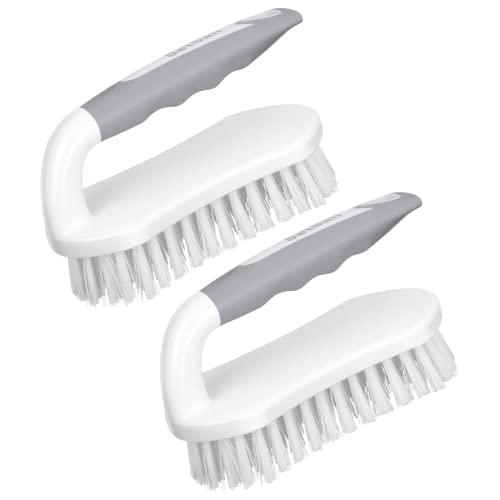
- Stiff-bristle shower liner cleaning brush — helps remove tough soap scum and mildew from the liner surface
- Silicone scrub brush for shower curtain liner — flexible and gentle on vinyl or fabric liners
- Adjustable shower squeegee for cleaning liner — removes excess water and reduces mold growth


Before You Start
Clear the shower area and remove any personal items from the shower stall. Ventilate the bathroom to minimize fumes from cleaners. Use gloves to protect hands and avoid mixing cleaners that could release harmful vapors. Time estimate: 15–30 minutes per session, depending on liner material and staining. Critical cautions include avoiding bleach on dyed fabrics unless the label permits it, and never mixing ammonia with chlorine cleaners due to toxic fumes.
Step-By-Step: How To Clean A Shower Liner
- Remove the liner from the hooks and lay it flat in the tub or shower stall for easy access.
- Rinse the liner with warm water to loosen surface soap scum and mildew.
- Apply a mild cleaner or a simple solution of white vinegar and water to both sides of the liner and let it sit for 5–10 minutes.
- Use the stiff-bristle shower liner cleaning brush to scrub along the seams, folds, and corners where mildew tends to hide.
- For stubborn stains, sprinkle baking soda on the brush or directly on the liner and scrub again until the stain fades.
- Rinse the liner thoroughly with clean water, ensuring all cleaner residue is removed.
- Inspect the liner and repeat the cleaning cycle on areas with remaining buildup.
- Pat dry with a towel or use the adjustable shower squeegee for cleaning liner to remove excess moisture and promote faster drying.
- Hang the liner back up on its hooks and ensure it dries completely between uses to prevent mold growth.
- Regular maintenance: rinse after showers and dry daily to minimize deep clean cycles.
- For fabric liners, consider a machine wash or hand wash as recommended by the manufacturer, followed by air drying.
- Schedule a thorough clean every 1–2 weeks for high-traffic showers to keep mildew at bay.
Troubleshooting
| Symptom | Likely Cause | Fix | Prevention |
|---|---|---|---|
| Persistent mildew along the bottom seam | Moisture trapped after use | Increase ventilation, dry liner after showers, and re-clean with vinegar solution | Keep bathroom well-ventilated; wipe dry after each use |
| Streaks or stains that won’t scrub off | Set-in mineral deposits or mildew | Apply a paste of baking soda and water, scrub with brush, rinse | Regular cleaning; consider weekly maintenance |
| Lint or fuzz sticking to liner | Fibers loosening from fabric liner | Rinse and rehang so it dries fully; check for fabric wear | Replace fabric liners when signs of wear appear |
| Bad odor after cleaning | Residual cleaner or mold beneath folds | Rinse thoroughly, use fresh water, and dry completely | Ensure complete drying between uses |
Common Mistakes
- Using abrasive cleaners that scratch vinyl or fabric liners
- Leaving the liner folded when drying, which traps moisture
- Over-wetting the liner during cleaning and not rinsing thoroughly
- Neglecting to clean the liner for extended periods, leading to heavy staining
Tips For Best Results
- Test cleaners on a small, inconspicuous area first to avoid color fading
- Ventilate the bathroom during cleaning to reduce chemical odors
- Use a daily rinse and quick wipe-down routine to minimize deep clean needs
- Combine cleaning with a preventive routine, such as dedicating a few minutes weekly to wipe and dry
Call A Professional
Seek professional help if the liner shows irreversible wear, persistent mold behind the liner, or if you notice water damage around the shower area. If a sudden onset of strong chemical odors occurs during cleaning, stop immediately and ventilate the space.
FAQ
Do I need to remove the liner to clean it?
Yes, removing the liner allows thorough access to both sides and seams, enabling more effective cleaning.
Can I use bleach on a shower liner?
Bleach can be effective on white vinyl but may damage colored fabrics; check the care label before using it.
How often should I clean my shower liner?
For busy bathrooms, a deep cleaning every 1–2 weeks is common, with quick wipe-downs after each shower.
Is a silicone scrub brush better than a stiff-bristle brush?
Silicone brushes are gentler and less likely to damage liners; use stiff-bristle brushes for stubborn buildup on durable surfaces.
Buying Guide
When shopping for tools to clean a shower liner, consider size, compatibility with liner material, and ease of use. A stiff-bristle brush excels for heavy buildup on vinyl liners, while a silicone scrub brush provides gentler care for fabric or delicate surfaces. An adjustable shower squeegee helps maintain a dry liner and reduces mold growth between cleanings. Look for ergonomic handles for comfortable, extended use and brushes that are easy to rinse and dry to prevent leftover residues. For best results, choose a compact set that covers brushing, scrubbing, and drying needs, without cluttering the shower space. Finally, read care labels on your liner to select compatible cleaners and avoid damage.
Leave a Reply