How to Clean a Shower Insert
Cleaning a shower insert, especially fiberglass stalls, can be straightforward with the right tools and a simple routine. This guide provides practical steps to restore shine, remove soap scum, and prevent buildup without harsh scrubbing or damaging surfaces.
Regular maintenance helps extend the life of the shower insert and keeps it looking fresh between deeper cleans. The methods below focus on gentle, effective solutions that work across common fiberglass shower installations.
Quick Answer
Best quick approach: Use a soft-fiber washing method with a fiberglass-safe cleaner, then rinse thoroughly. Dry with a silicone squeegee to prevent water spots, and finish with a microfiber mitt for touch-up detail.
What You’ll Need
- Fiberglass shower scrub brush non-scratch nylon bristles
- Microfiber shower cleaning mitt for fiberglass stalls
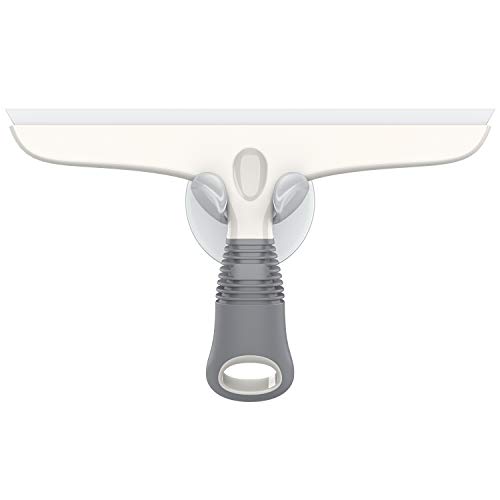
- Silicone squeegee shower door cleaning tool


Before You Start
Prepare the area by removing toiletries and placing a towel on the floor to catch drips. Ventilate the bathroom to minimize fumes if using cleaners. Test any cleaner on a small, inconspicuous area of the fiberglass to confirm no discoloration. Allow 15–30 minutes for cleaning products to work on soap scum and mineral deposits. Important: Avoid abrasive pads or harsh acidic cleaners that can scratch fiberglass. If you have hard water, consider a yearly mineral buildup treatment.
Step-By-Step: How To Clean A Shower Insert
- Rinse the entire shower with warm water to loosen surface grime.
- Apply a mild, fiberglass-safe cleaner, focusing on soap scum along the corners and shelves.
- Gently scrub with the fiberglass shower scrub brush non-scratch nylon bristles, using circular motions to lift residue without scratching.
- Switch to the microfiber shower cleaning mitt for fiberglass stalls for tight areas, corners, and door tracks, wiping away loosened buildup.
- If mineral deposits remain, apply a second pass with a cleaner designed for hard water and let it sit for a few minutes before scrubbing.
- Rinse thoroughly from top to bottom to remove all cleaner and residue.
- Use the silicone squeegee shower door cleaning tool to remove standing water from walls and doors, reducing water spots.
- Dry the surface with a clean microfiber cloth or a towel to prevent streaks and mold growth.
- Inspect joints and corners for any overlooked grime and repeat as needed on those areas.
- Perform a quick weekly wipe-down routine to keep the surface gleaming between deeper cleans.
- For stubborn areas, repeat steps 3–7, adjusting pressure to avoid fiber marks on the surface.
- Store tools in a dry area after use to prevent mildew on cleaning gear.
Troubleshooting
| Symptom | Likely Cause | Fix | Prevention |
|---|---|---|---|
| Dull, cloudy fiberglass | Soap residue or mineral buildup | Re-clean with a fiberglass-safe cleaner and a soft scrub brush | Regular quick cleans after showers |
| Scratches or marks | Abrasive tools or cleaners | Use non-scratch nylon bristles and avoid harsh chemicals | Stick to recommended brushes and cleaners |
| Streaks after drying | Water spots | Wipe with silicone squeegee and dry with microfiber | Dry surfaces after each shower |
| Mildew in corners | Moisture retention | Improve ventilation and wipe dry; treat with mildewcide if needed | Leave door open after cleaning to air out |
Common Mistakes
- Using abrasive pads that scratch fiberglass
- Neglecting the door tracks and corners where soap scum hides
- Rushing rinsing and leaving cleaner behind, causing streaks
- Overlooking ventilation, which can encourage mildew growth
Tips For Best Results
- Choose a fiberglass-safe cleaner labeled for non-porous surfaces and rinse thoroughly.
- Schedule a quick weekly wipe-down session to minimize heavy buildup.
- Use the silicone squeegee after every shower to keep walls clear of water spots.
- Alternate the microfiber mitt and brush to reach both large surfaces and tight crevices efficiently.
- For hard water areas, consider a specialized mineral-control product and a monthly deeper clean.
Call A Professional
If the fiberglass shows deep cracks, persistent staining, or delamination, or if cleaning produces unusual odors or soft areas, stop and contact a professional. Seek expert help immediately for structural concerns or chemical sensitivities, especially in homes with children or pets.
FAQ
Can I use bleach on a fiberglass shower insert?
Bleach can damage fiberglass finishes; opt for non-chlorine cleaners and follow product instructions carefully.
How often should I deep-clean a fiberglass shower insert?
Plan a deep clean every 1–3 months, depending on usage and water quality, with quick weekly maintenance in between.
What is the best way to remove hard water stains?
Use a mineral-safe cleaner and a non-scratch brush, then rinse well and dry with a silicone squeegee.
Will a microfiber mitt damage the fiberglass?
No; microfiber mitts designed for fiberglass are soft and effective for lifting grime without scratching.
Is it okay to use vinegar or lemon juice for cleaning?
These can be used in moderation on non-sensitive fiberglass, but test first and avoid prolonged contact on finishes that may react with acidity.
Buying Guide
When selecting cleaning tools for a shower insert, consider size, weight, and ease of use. For fiberglass stalls, prioritize gentleness and non-scratch materials to prevent damage. Look for a soft scrub brush with nylon bristles, a microfiber cleaning mitt that accommodates angled surfaces, and a silicone squeegee suited for smooth doors and glass. Noise level and ergonomics matter for frequent cleaning, so choose comfortable handles and lightweight tools. Energy efficiency isn’t a factor here, but a compact, well-designed kit reduces fatigue and streamlines routine maintenance. Consider storage options that keep tools dry between sessions to prevent mildew. Finally, assess compatibility with common bathroom cleaners to prevent chemical reactions with fiberglass finishes.
Leave a Reply