How to Clean a Shark Air Purifier for Clean Indoor Air
Maintaining a Shark air purifier helps ensure that your indoor air stays free of dust, pollen, and odors. Regular cleaning extends filter life and keeps performance consistent. This guide provides practical steps to safely clean a Shark air purifier and replace its filters when needed.
Whether you own a compact model for a bedroom or a larger unit for a living area, a routine cleaning routine keeps air moving efficiently and quietly. The steps here focus on safe handling and effective maintenance using common tools and replacement parts designed for Shark purifiers.
Quick Answer
What to do at a glance: power off the unit, unplug, remove the filter, wipe the exterior with a microfiber cloth, use compressed air to dust internal vents, and replace the filter kit as needed. Regular maintenance every 1–3 months depending on usage will keep airflow strong and odors minimized.
What You’ll Need
The following tools and materials help you perform a thorough clean. Gather these before starting to minimize downtime.
- Shark air purifier replacement filter kit HEPA carbon
- microfiber cleaning cloth for Shark air purifier
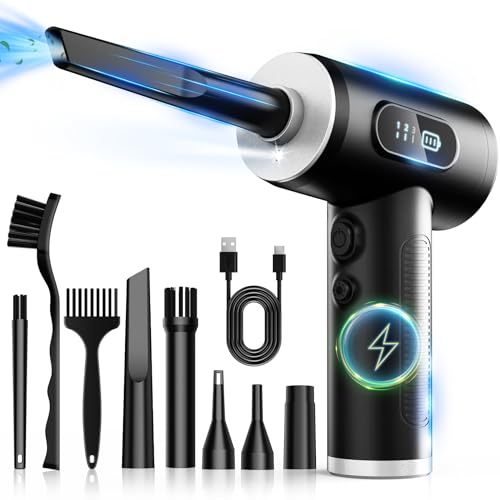
- compressed air duster for electronics cleaning


Before You Start
Clear a workspace and ensure the purifier is powered down and unplugged. Remove any nearby items to prevent accidental spills or falls. Safety notes: avoid touching the internal fan blades directly, and never operate the unit while disassembled.
Time estimate: 15–25 minutes for a standard model. Critical cautions: never use water to rinse the internal components. Do not use harsh chemicals on plastic surfaces. If the unit shows unusual heat or noise, stop and inspect for damage before continuing.
Step-By-Step: How To Clean A Shark Air Purifier
- Unplug the purifier and relocate it to a clean, dry work area.
- Open the front panel or access door according to the model’s manual and remove the used filter cartridge.
- Lightly vacuum or dust the exterior housing with a microfiber cloth to remove surface grime.
- Inspect the filter for excess buildup; if the filter is heavily soiled, replace it using the Shark air purifier replacement filter kit HEPA carbon.
- Use the compressed air duster to blow dust from internal vents and the fan housing from a safe distance.
- Wipe the exposed interior surfaces with a dry microfiber cloth; avoid dampening any electrical components.
- Insert a fresh filter kit (HEPA carbon) and reseal the housing securely per the model’s instructions.
- Power the unit back on and run it on a low setting for several minutes to ensure proper airflow and a stable startup.
- Check for any abnormal noises or vibrations and re-secure the front panel if needed.
- Schedule the next cleaning based on usage—many households do this every 1–3 months.
Troubleshooting
| Symptom | Likely Cause | Fix | Prevention |
|---|---|---|---|
| Weak airflow after cleaning | Clogged or improperly seated filter | Reinstall with a new HEPA carbon kit | Replace filters on schedule |
| Unusual noise | Debris in the fan housing | Carefully remove debris with compressed air | Keep unit elevated and clear of clutter |
| Foul odor persists | Old filter or trapped smells | Replace filter kit and clean exterior | Use carbon-impregnated filters as recommended |
| Unit won’t power on | Electrical fault or loose connections | Unplug, inspect power cord, and reset | Consult service if problem continues |
Common Mistakes
- Using water or cleaners on internal components
- Forgetting to replace the filter when the indicator signals
- Rushing the reassembly, causing gaps or misalignment
Careful handling and adhering to the manufacturer’s replacement schedule helps avoid these issues and keeps performance steady.
Tips For Best Results
- Replace filters regularly with the Shark air purifier replacement filter kit HEPA carbon to maintain filtration efficiency.
- Dust vents monthly if the purifier is in a high-dust environment.
- Use a microfiber cloth for streak-free cleaning on plastic surfaces.
- Keep the area around the purifier unobstructed to maximize airflow.
Call A Professional
Seek professional help if the unit still fails to operate after cleaning, emits unusual smells, or shows signs of electrical fault. Stop using the purifier and contact customer support or a qualified technician if there is smoke, sparking, or a burning odor.
FAQ
How often should I replace Shark air purifier filters?
Replacement frequency depends on usage and environment; refer to the model’s indicator and consider replacing every 6–12 months for typical use.
Can I clean the filter instead of replacing it?
Some filters can be vacuumed lightly, but carbon-impregnated and HEPA filters typically require replacement to maintain effectiveness.
Is it safe to use compressed air on all Shark models?
Compressed air is generally safe for vents and housings but avoid direct contact with the fan blades and any sealed filters.
What if the purifier stops mid-cleaning?
unplug, inspect for loose connections, and check the power supply before attempting to restart.
Should I clean the purifier while it’s on a surface or ceiling-mount?
Always perform cleaning with the unit unplugged and on a stable surface to avoid drops or misalignment.
Will cleaning improve odor inside a room?
Yes, cleaning plus a fresh filter can reduce odors from cooking, pets, or smoke when paired with proper ventilation.
Buying Guide
Choosing the right Shark air purifier involves several factors that affect performance and satisfaction. Consider size and intended room placement to ensure adequate coverage. Noise level matters in bedrooms and home offices, so review decibel ratings at different speeds. Energy efficiency can influence running costs over time, especially for units operating continuously.
Controls should be intuitive—look for easy-to-use interfaces, filter indicators, and automatic modes. When evaluating filters, ensure compatible replacement filter kits HEPA carbon are readily available. Placement plays a role in effective filtration; avoid corners that restrict airflow and position the unit where air can circulate freely.
For a comprehensive decision, compare models by room size coverage, filtration options (standard HEPA vs. carbon-impregnated variants), filter replacement intervals, and warranty terms. If you frequently deal with allergens or odors, prioritize units with strong after-sales support and readily available replacement parts.
Wondering which setup best fits your home? Thoughtful sizing, quiet operation, and easy maintenance help maintain healthy air without constant attention. The right Shark model should blend seamlessly with your space while delivering reliable air purification.
Leave a Reply