How to Clean Shaker Cabinets
Smooth, clean shaker cabinets can brighten a kitchen or bath and extend the life of the wood finish. This guide walks through a practical, step-by-step approach using common household tools and a pH-neutral wood cabinet cleaner spray to protect the surface while removing fingerprints, grease, and dust.
Quick Answer
To clean shaker cabinets effectively, spray a gentle, pH-neutral cleaner onto a soft microfiber cloth, wipe in the direction of the grain, rinse with a damp cloth, then dry thoroughly. For stubborn grime, use a soft bristle brush lightly and re-wipe. Regular maintenance prevents buildup and preserves the finish.
What You’ll Need
- Wood cabinet cleaner spray pH neutral
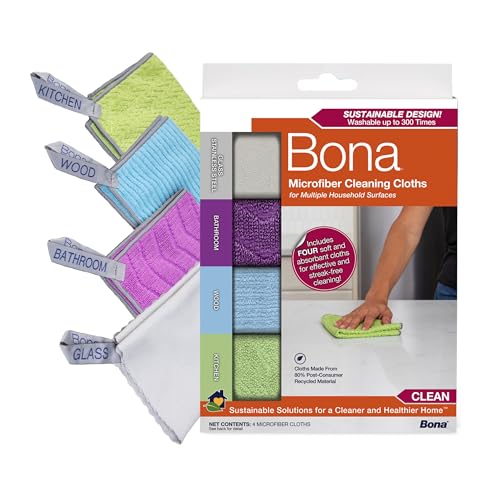
- Microfiber cleaning cloths for wood cabinets
- Soft bristle brush for cabinet cleaning


Before You Start
Prepare a small, manageable work area and protect nearby surfaces with a drop cloth or old towels. Test cleaners in an inconspicuous corner for finish compatibility. Wear gloves if you have sensitive skin. Time estimate: 20–40 minutes for a typical 10–15 door cabinet run, plus extra for stubborn areas. Avoid harsh chemicals, abrasive pads, or soaking the wood.
Step-By-Step: How To Clean Shaker Cabinets
- Remove countertops or items from cabinet doors if you need full access, or open the doors and drawers for easier reach.
- Dust the surface with a dry microfiber cloth to lift loose dirt and prevent scratches during cleaning.
- Lightly spray the pH-neutral wood cabinet cleaner onto a fresh microfiber cloth rather than directly onto the surface to avoid oversaturation.
- Wipe the door surfaces in the direction of the grain, starting at the top and moving downward to avoid streaks.
- For stubborn grease around handles or edges, use a soft bristle brush to gently loosen residue, then wipe away with the microfiber cloth.
- Wipe any exposed edges, trimming, and corners where grime tends to accumulate. Use a slightly damp cloth to remove cleaner residue.
- Rinse with a clean, lightly damp microfiber cloth to lift any cleaner residue from the wood surface.
- Dry immediately with a dry microfiber towel or lint-free cloth to prevent water intrusion and warping.
- Repeat on all doors, drawer fronts, and visible frames. If your cabinets have red/oak tones or unusual finishes, adjust pressure to avoid dulling the sheen.
- Reassemble any removed components and inspect for missed spots; touch up as needed.
- Schedule regular light cleanings every few weeks and a deeper wipe-down monthly to maintain a fresh appearance.
Troubleshooting
| Symptom | Likely Cause | Fix | Prevention |
|---|---|---|---|
| Streaks after cleaning | Residue from cleaner or water | Wipe with a damp cloth, then dry thoroughly | Use minimal cleaner and a light touch |
| Cloudy or milky finish | Cleaner left on surface | Rinse and dry; consider a microfiber cloth dampened with water only | Test in an inconspicuous area first |
| Scratches or dull spots | Excessive scrubbing or abrasive tools | Switch to soft cloth and avoid scrubbing | Use gentle, grain-directed cleaning |
| Water spots after cleaning | Water evaporation | Dry immediately with a clean towel | Wipe in a controlled, dry motion |
Common Mistakes
- Using hot water or steam—can warp wood over time.
- Applying cleaner directly onto the cabinet surface—may oversaturate the wood.
- Using rough brushes or pads—can scratch the finish.
- Overlooking the interior panels where grime can accumulate.
Tips For Best Results
- Dust regularly with a microfiber cloth to minimize buildup between deep cleanings.
- Choose a pH-neutral cleaner designed for wood finishes to preserve shine and color.
- Maintain a consistent cleaning routine to prevent stubborn grime from forming.
- When possible, clean in natural daylight or bright lighting to better spot streaks and smudges.
Call A Professional
Call a pro if you notice:
- Persistent water damage or warping on cabinet panels
- Finish peeling, fading, or blotchy discoloration that worsens after cleaning
- Structural issues such as loose doors, hinges, or frames that affect alignment
In these cases, a cabinet refinishing or restoration specialist can assess the underlying finish and recommend appropriate repairs without compromising the wood.
FAQ
Is a pH-neutral cleaner necessary for shaker cabinets?
Using a pH-neutral cleaner helps protect the wood finish and prevent staining or dulling over time.
Can I use microfiber cloths for all cabinet cleaning tasks?
Yes, microfiber is ideal for lifting dust and residues without scratching the surface when used with gentle pressure.
How often should I deep-clean shaker cabinets?
Deep cleaning every 1–3 months, depending on kitchen use, plus quick wipe-downs weekly or biweekly, maintains appearance and longevity.
What if the cabinet finish is oil-based or waxed?
Refer to the manufacturer’s care instructions; some finishes may require specialized products or avoidance of water-based cleaners.
Should I remove cabinet doors for cleaning?
Removing doors can help access all surfaces, but ensure careful labeling and reinstallation steps to avoid misalignment.
Buying Guide
When selecting cleaning supplies for shaker cabinets, consider size, noise, and ease of use, along with how well the product aligns with wood finishes.
- <bSize and coverage: Choose cleaner bottles that fit your typical cleaning load; larger bottles reduce frequent purchases.
- <bNoise level: Spray triggers and cloths should be quiet and easy to handle for quick sessions.
- <bEnergy efficiency and sustainability: Opt for water-based, low-VOC formulas that are safe for indoor use and the environment.
- <bControls and ease of use: A spray bottle with a fine mist and a non-scratch cloth improves control and reduces waste.
- <bPlacement and accessibility: Keep cleaning products within reach of the kitchen or bathroom; store away from children’s reach.
For best results and safer finishes, rely on the recommended trio of tools: a pH-neutral wood cabinet cleaner spray, microfiber cleaning cloths for wood cabinets, and a soft bristle brush for stubborn spots. These items help maintain the look and longevity of shaker cabinets without introducing harsh chemicals or abrasives.
Leave a Reply