How to Clean Seat Covers in Your Car
Car seats endure daily wear, spills, and dust, making routine cleaning essential for appearance and hygiene. This guide walks through practical methods to freshen seat covers, whether they’re made of fabric, leather, or microfiber, using common tools and proven cleaners.
Quick Answer
Hit quick stains first with a fabric cleaner or mild detergent, then deep-clean with a steam cleaner or specialized spray for durable fabrics. For microfiber, blot, brush, and use a microfiber-safe cleaner. Always test on a hidden area first and let seats dry completely before use.
What You’ll Need
- car seat upholstery steam cleaner
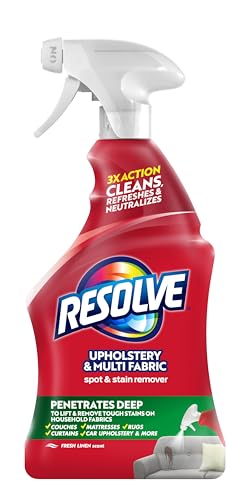
- upholstery fabric cleaner spray for seats
- microfiber cleaning cloths for car seats
- Soft brush or sponge
- Pure water and optional mild detergent


Before You Start
Clear the seats and remove floor mats. If possible, work in a well-ventilated area or a parked vehicle with doors open. Check the seat material care label for any contraindicated cleaners. Do a spot test on an inconspicuous area to prevent color fading or texture damage. Plan for ample drying time—usually several hours or overnight for full saturation to dry.
Step-By-Step: How To Clean Seat Covers
- Assess the fabric and identify stains. Persistent oils may need a targeted cleaner, while fresh spills respond to gentle soap and water.
- Remove loose debris. Vacuum the seat surface, seams, and crevices to lift dirt before any liquid treatment.
- Apply cleaner to a microfiber cloth or directly to a spray bottle, then blot or mist the area. Avoid soaking fabric; use light, even coverage.
- Gently agitate with a soft brush or sponge to lift embedded grime from fibers without damaging them.
- Rinse or wipe away with a clean, damp cloth to remove cleaner residue. Repeat as needed until the cloth remains clean.
- Spot-clean stubborn stains using a targeted cleaner, following label directions. Allow a brief dwell time, then blot away.
- For microfiber, brush in a consistent direction after cleaning to restore nap. Use microfiber-specific cleaner and avoid saturating the fabric.
- Dry thoroughly. Open windows or run the climate control with fan to speed-up drying, or use a portable fan. Do not use seats until completely dry.
- Inspect and repeat. Check for remaining spots and re-clean if necessary. A second pass may be required for heavy soils.
- Protect and maintain. Consider applying a fabric protector spray once seats are dry to help repel future spills.
- Finish with a wipe-down. Use a clean microfiber cloth to remove any residual moisture and to restore fabric sheen.
- Clean surrounding areas. Wipe console, door panels, and armrests to prevent re-soiling from transfer.
Troubleshooting
| Symptom | Likely Cause | Fix | Prevention |
|---|---|---|---|
| Stains persist after cleaning | Deep-set or oil-based stains | Apply targeted stain remover per label and repeat | Address spills promptly; use seat covers for high-traffic areas |
| Color fading after cleaning | Harsh cleaners or over-wetting | Rinse thoroughly and dilute cleaners next time | Test on hidden area first; use milder products |
| Stiff or sticky fabric after drying | Detergent residue | Wipe with clean water to remove residue | Rinse thoroughly; avoid over-sudsing |
| Water spots or rings | Uneven drying | Increase airflow and extend drying time | Dry in a shaded area with good ventilation |
Common Mistakes
- Using hot water on delicate fabrics, which can set stains
- Over-wetting microfiber or leather seats, risking odor or mold
- Skipping a spot test and relying on a single cleaner for all materials
- Neglecting drying time, leading to musty smells
Tips For Best Results
- Always test cleaners on a hidden area before full application.
- Work from the top of the seat downward to minimize re-soiling.
- Use a dedicated microfiber cloth to avoid lint transfer and to improve pickup of grime.
- For stubborn odors, sprinkle a small amount of baking soda after cleaning and vacuum once dry.
- Schedule regular cleanings to prevent buildup—clean seats every 1–3 months depending on usage.
Call A Professional
Consider a pro if seats have severe staining, dye transfer, or structural damage like torn fabric. Seek help if cleaning attempts leave persistent odor, discoloration, or if the upholstery is leather with deep fading, cracking, or visible damage. If seat covers are factory-installed with integrated airbags or safety features, professional service is advised to avoid inadvertent impairment.
FAQ
Can I use household cleaners on car seat covers?
For most fabrics, mild detergents or a purpose-made fabric cleaner work well. Strong household cleaners can damage fibers or colors; always test first.
How long should seat covers take to dry after cleaning?
Drying times vary by material and climate but plan for several hours, and overnight is common in humid environments.
Is steam cleaning safe for all seat types?
Steam can be effective on fabric seats and microfiber but may not be suitable for all leather or vinyl finishes. Follow manufacturer guidance and test first.
Should I apply a protective spray after cleaning?
Yes, a fabric protector can help repel future stains, but ensure seats are completely dry before applying.
What if my seat has a stubborn oil stain?
Use a stain remover designed for automotive fabrics, let it dwell briefly, then blot and rinse. Repeat as needed.
Are leather seats cleaned differently?
Leather requires mild cleaners and conditioning afterward to prevent drying and cracking.
Buying Guide
Choosing the right tools and products for cleaning seat covers involves several factors. Consider size and fit of your car seats, your typical spill types, and how often you clean. Noise level and energy efficiency are less relevant for consumer cleaners, but ease of use matters. Look for multi-material compatibility to cover fabric, microfiber, and leather. A flexible spray bottle and a portable steam cleaner provide versatility for tight seams. For ongoing protection, select a fabric protector compatible with your seat material and follow application instructions.
When comparing products, assess cleaning power, stain-removal capabilities, and the risk of color transfer. A kit that includes microfiber cloths and a safe upholstery cleaner is convenient for beginners. If your vehicle has delicate or branded upholstery, prioritize cleaners that carry manufacturer-recommended seals and color-safe formulas. Finally, ensure you have adequate ventilation and drying space to prevent odor buildup during and after cleaning.
Leave a Reply