How to Clean Seashells With Baking Soda
Seashells are beautiful keepsakes that can brighten any display or craft project. Proper cleaning removes grime, sand, and organic residue, restoring their natural luster without damaging their delicate surfaces. Using baking soda as a gentle, effective cleaner is a popular choice, especially for shells collected from the shoreline where mineral deposits and salt buildup are common. This guide explains a practical method that works for most common seashell types.
In addition to baking soda, a few simple tools help you clean shells safely and efficiently. The steps below are designed for select shell varieties used for display, jewelry, or coastal decor. Always test on a small area first if you’re unsure about a shell’s porosity or coating.
Quick Answer
Mix a baking soda paste. Gently scrub with a soft brush, rinse, then air-dry. For stubborn deposits, soak briefly in warm water with a touch of baking soda, then scrub again. Avoid harsh chemicals that could dull or scratch shells.
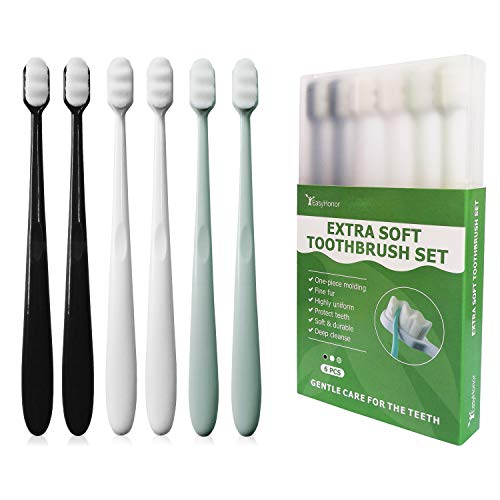


What You’ll Need
- soft bristle toothbrush for seashell cleaning
- non-scratch nylon scrub brush for delicate seashells
- sea shell cleaning brush set
Before You Start
Prepare a clean workspace and gather shells that are completely dry. Rinse off loose sand with lukewarm water before any cleaning. Work gently to avoid chipping or cracking thin shells. If a shell is unusually fragile or has a painted or iridescent surface, proceed with extra care or skip aggressive scrubbing. Estimate cleaning time at 15–45 minutes depending on the batch size and grime level.
Step-By-Step: How To Clean Seashells With Baking Soda
- Rinse shells under lukewarm running water to remove loose sand and salt crystals.
- Inspect each shell for cracks or fragile edges that may require gentler handling.
- Prepare a baking soda paste by mixing baking soda with a small amount of warm water until it forms a thick, spreadable consistency.
- Dip a soft bristle toothbrush for seashell cleaning or the non-scratch nylon scrub brush for delicate seashells into the paste and apply it to the shell surface in gentle circular motions.
- Focus on cleaning the sutures and recessed areas where grime tends to accumulate, using light pressure to avoid scratching the shell.
- Rinse the shell thoroughly with clean, lukewarm water to remove all baking soda residue.
- For mineral buildup or stubborn grime, soak the shells briefly in a solution of warm water with a teaspoon of baking soda, then rinse again.
- Place shells on a clean towel and let them air-dry completely before handling or displaying.
- If needed, repeat the gentle brushing and rinsing process for particularly dirty shells, always avoiding excessive force.
- Once dry, optionally buff with a dry, soft cloth to restore some natural shine without applying oils or chemicals.
- Store shells in a ventilated area away from direct sunlight to prevent color fading if they are painted or iridescent.
- For shells with a fragile nacre or shell-lining materials, limit cleaning to light brushing and skip strong pastes.
Troubleshooting
| Symptom | Likely Cause | Fix | Prevention |
|---|---|---|---|
| Shell looks dull after cleaning | Overly aggressive scrubbing or chemical residue | Rinse thoroughly; re-clean with a gentler brush and warm water | Use soft brushes and avoid aggressive pastes |
| Scratching or chipping edges | Too much pressure on fragile shells | Apply very light pressure; stop brushing if resistance increases | Sort shells by fragility before cleaning |
| Residue remains in crevices | Insufficient brushing in sutures | Use a fine brush tip and circular motions in creases | Allow adequate soaking time for stubborn grime |
| Color fading after cleaning | Excessive exposure to light or harsh pastes | Limit sunlight exposure; avoid strong cleaners | Display away from direct sun |
Common Mistakes
- Using harsh detergents or bleach on shells with delicate coatings
- Scrubbing too aggressively on thin or layered shells
- Soaking shells for too long, which can weaken natural textures
- Rushing drying, which may trap moisture and encourage mold in some shells
Tips For Best Results
- Test a small area first to confirm the shell’s finish remains intact after cleaning.
- Always start with the mildest approach—gently brushing with a baking soda paste—before moving to soaks.
- Label shells by type or location if you’re cleaning a mixed batch to tailor care per shell type.
- Keep shells dry between cleaning sessions to prevent mineral buildup from returning quickly.
- For iridescent or painted shells, limit handling to avoid wear on the finish.
Call A Professional
Instances that warrant professional help include severely cracked shells that could break with any force, shells with valuable historical or museum-grade finishes, or shells that require conservation-grade cleaning methods. Seek expert guidance when shells have sentimental or monetary value, or if you are unsure about cleaning a rare specimen.
FAQ
Can I use vinegar instead of baking soda?
Vinegar is more acidic and can damage certain shells and coatings. Baking soda provides a gentler cleaning option suitable for many species.
How long should shells soak in baking soda solution?
Soak for 5–15 minutes for most grime. For stubborn buildup, a brief soak followed by gentle brushing is often effective.
Will baking soda remove odors from shells?
Yes, baking soda can help reduce mild odors when used in a gentle soak, followed by thorough rinsing and drying.
Are there shells that should not be cleaned with baking soda?
Very delicate or porous shells, or shells with painted or iridescent coatings, may be damaged by scrubbing or alkaline pastes. Exercise caution and consider skipping cleaning on such pieces.
Buying Guide
When selecting tools for cleaning seashells, consider size, material, and how they interact with shell surfaces. A soft bristle toothbrush for seashell cleaning is ideal for general cleaning, while a non-scratch nylon scrub brush for delicate seashells helps with more fragile surfaces. A complete sea shell cleaning brush set offers versatility for mixed collections. Look for brushes with gentle bristles, comfortable handles, and compact heads that reach crevices without applying too much pressure.
Key buying factors include size and control—smaller heads provide precision for thin or ridged shells. Consider noise level if you’ll clean near living areas or in shared space; most brushes are quiet, with no motors. For storage, choose compact sets that can be stowed in a dedicated craft bin. If energy efficiency matters, opt for manual cleaning tools over powered devices. Finally, assess placement in your home display: shells cleaned with gentle methods pair well with natural light and neutral backgrounds.
Having the right tools makes the cleaning process smoother and your shells shine again. Ready to tidy a small batch or a larger collection? With the right brushing tools and baking soda method, you’ll preserve beauty and character without risking damage.
Leave a Reply