How to Clean a Screen Door Track for Smooth Sliding
Keeping a sliding screen door track clean helps ensure easy opening and closing, improves airflow, and extends the life of the door. This practical guide walks American homeowners through a step-by-step method to remove grime, debris, and buildup from the track surface without damaging components.
The approach combines simple tools, safe cleaning solutions, and a quick maintenance routine so your screen door glides like new. Whether you’re dealing with seasonal dirt or everyday dust, the right method makes a noticeable difference.
Quick Answer
For a fast result, start with a stiff-bristle brush to loosen debris, then vacuum the loosened particles. Wipe the track, apply a light silicone spray lubricant to the moving surfaces, and cycle the door several times to distribute the lubricant. Revisit any stubborn spots with a brush and vacuum as needed.
What You’ll Need
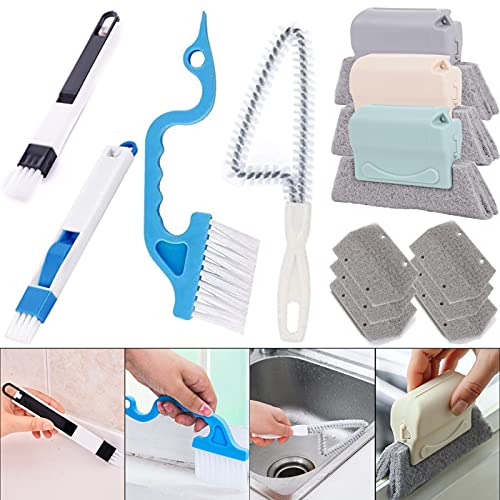
- Screen door track cleaning brush with stiff bristles
- Vacuum crevice tool for screen door track cleaning
- Silicone spray lubricant for sliding screen door tracks
- Soft cloth or microfiber towel
- Warm water and mild dish soap
- Map or small brush to clear track ends (optional)


Before You Start
Inspect the door and frame for any damaged components or bent rollers. Remove loose debris from the doorway area to prevent transfer to indoor spaces. Wear gloves if you have sensitive skin and protect nearby floors with a towel or drop cloth. Avoid using heavy solvents or abrasive tools that can damage the track, rollers, or weatherstripping.
Estimate time: 20–40 minutes for a typical door. If you’re cleaning multiple doors, allow extra time. Proper ventilation helps when using lubricants.
Step-By-Step: How To Clean A Screen Door Track
- Open the door fully and inspect the track to identify the dirtiest areas and any obstructions.
- Use the screen door track cleaning brush with stiff bristles to loosen embedded dirt along the track bottom and sides.
- Switch to the vacuum crevice tool and carefully suction out the loosened debris, working from the outer edges toward the center.
- Wipe the track with a damp cloth dipped in warm soapy water; avoid soaking the mechanism.
- For stubborn residue, reapply the brush and scrub gently, then vacuum again to remove loosened particles.
- Dry the track with a clean cloth to prevent moisture from accumulating on the rollers or weatherstripping.
- Apply a light, even coat of silicone spray lubricant to the moving surfaces inside the track and along roller contact points.
- Operate the door back and forth several times to distribute the lubricant and verify smooth movement.
- Wipe away any excess lubricant from exterior surfaces to prevent attracting more dust.
- Recheck the track ends and corners; repeat cleaning and lubrication if needed for full coverage.
- If the door still binds, inspect rollers and track alignment for misalignment or damage and address accordingly.
- Schedule periodic maintenance every few months to maintain glide quality and prevent buildup.
Troubleshooting
| Symptom | Likely Cause | Fix | Prevention |
|---|---|---|---|
| Door sticks mid-track | Build-up in track or misaligned rollers | Clean thoroughly; check roller alignment and lubricate | Regular cleaning every few months |
| Noise during operation | Dry spots or grit in track | Clean and re-lubricate with silicone spray | Keep track clear of debris |
| Lubricant attracts dust | Too much lubricant | Wipe excess; apply sparingly | Use only a light coat |
| Door won’t stay closed | Weatherstripping worn or misaligned track | Inspect weatherstripping; replace if needed | Replace worn parts promptly |
Common Mistakes
- Using heavy solvents that crack or degrade the track or rollers
- Over-wetting the track and letting moisture linger
- Over-lubricating; leaving excess residue that attracts dust
- Neglecting to clean track ends and corners where debris collects
Most issues stem from infrequent maintenance. A quick routine every season can prevent major sticking or misalignment.
Tips For Best Results
- Choose a silicone spray designed for sliding doors to minimize stickiness and residue.
- Work from the outer edges inward to avoid spreading dirt toward cleaner areas.
- Keep a small brush handy to reach tight corners of the track.
- Test lubricant on a hidden area first to confirm compatibility with the track material.
- Consider trimming back nearby plants or decorations that shed debris onto the track.
Call A Professional
Call a professional if the door shows visible structural damage, persistent grinding despite cleaning and lubrication, or if rollers cannot be adjusted safely. Seek expert help for warped frames, bent tracks, or persistent misalignment that affects door security and operation.
FAQ
How often should I clean a screen door track?
Clean every 3–6 months, or after seasons with heavy pollen, dust, or moisture to maintain smooth operation.
Can I use WD-40 or oil on sliding screen door tracks?
Avoid oil-based products that can attract dust; use a silicone-based lubricant designed for sliding doors.
What if the track is corroded or damaged?
Corrosion or physical damage requires replacement parts or professional assessment.
Is it okay to use a vacuum hose attachment on any screen door?
Yes, a narrow crevice tool works best for removing debris without bending delicate components.
Buying Guide
Choosing the right maintenance approach depends on several factors. First, consider the track length and door size to ensure you have an appropriately sized cleaning brush or tool. Noise level and energy efficiency are influenced by how smoothly the door slides, which is affected by track cleanliness and lubrication. Look for a silicone-based lubricant that lasts longer and resists dust, reducing the frequency of reapplication. Control options aren’t typically a factor for basic screen doors, but consider whether a lubricant’s spray nozzle is easy to reach and whether the track design is compatible with a particular product. Place the door in a clean, shaded area during maintenance to avoid rapid drying of any cleaning agents. For multi-door setups, standardize tools and lubrication to streamline routine upkeep. If you share a home with pets or children, consider quick, non-staining products that won’t leave residue on frames or screens. Finally, factor in budget and availability of replacement parts when planning maintenance cycles.
Leave a Reply