How to Clean a Samsung Top-Load Washer Drain Filter and Related Components
Maintaining a Samsung top-load washer includes regularly cleaning the drain filter and surrounding components. A clean filter helps the washer drain properly, prevent odors, and extend the appliance’s life. This guide outlines a practical, step-by-step approach using commonly available tools and a focused care routine.
The process can be completed with basic household tools and a targeted cleaning kit designed for Samsung top-load washers. Following the steps will minimize clogs and improve overall performance without requiring professional service.
Quick Answer
Shut off the washer, locate the drain filter access, remove and clean the filter and surrounding area, reinstall securely, and run a short rinse cycle to verify proper drainage. Use a drain pump filter cleaning kit for seal-safe removal, a lint filter brush for stubborn debris, and a drain filter cleaning tool for hard-to-reach areas.
What You’ll Need
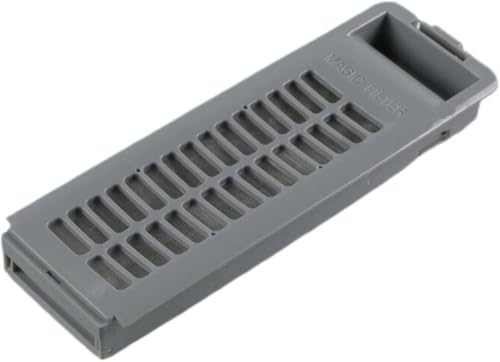
- Samsung top-load washer drain pump filter cleaning kit
- washing machine lint filter brush for Samsung top-load washer
- drain filter cleaning tool for Samsung top-load washing machine

Before You Start
Prepare a clean workspace and have towels or a shallow tray ready for any spillover. Unplug the washer, and if your model has a detergent drawer, remove it to access the filter area. Allow the drum to be dry before starting to reduce splash risk. Beware of sharp edges inside the filter housing and ensure the drain hose is properly routed to prevent leaks during testing.
Estimate 20–40 minutes for a full filter cleaning, depending on access and debris buildup. If the washer has not drained properly in several cycles, the issue may require additional inspection beyond routine cleaning.
Step-By-Step: How To Clean Samsung Top-Load Washer Drain Filter
- Unplug the washer and pull it away from the wall to access the back panel or bottom access area, depending on the model.
- Locate the drain filter access door or panel. Open it carefully to reveal the filter chamber and the drain hose connected to the pump.
- Put a shallow tray or towels under the area to catch any residual water. Slowly unscrew the filter cap in the center of the chamber and allow water to drain into the tray.
- Remove the filter and inspect for hair, lint, coins, and other debris. Wipe the surrounding area with a damp cloth before cleaning the filter itself.
- Clean the filter with warm water and a mild detergent. Use the Samsung top-load washer drain pump filter cleaning kit to help dislodge stubborn buildup if needed.
- Use the drain filter cleaning tool to reach tight corners around the filter housing. A lint filter brush for Samsung top-load washer can help lift fine fibers from the interior surfaces.
- Rinse the filter thoroughly and reinsert it, ensuring the seal is clean and seated properly. Reattach the filter cap and tighten securely to prevent leaks.
- Wipe the exterior and the access panel area. Reconnect the power and run a short rinse cycle with no clothes to verify that the water drains correctly.
- Check the drain hose for kinks and ensure proper routing. If water remains in the drum after the cycle, repeat the cleaning steps or inspect the pump for blockages.
- After testing, replace the access door or panel and slide the washer back into place. Keep a reminder to clean the filter on a regular schedule.
- Document any unusual noises or persistent drainage issues that appear after cleaning. If problems persist, consider consulting a professional.
Troubleshooting
| Symptom | Likely Cause | Fix | Prevention |
|---|---|---|---|
| Water remains in the drum after a cycle | Filter or pump clogged | Clean filter and inspect pump with the cleaning tools | Clean monthly or after heavy lint loads |
| Water drains slowly | Partial blockage in filter housing or hose | Remove debris with tools and rinse | Avoid overloading and use appropriate detergents |
| Unpleasant odor near the filter area | Residual moisture and mold-friendly debris | Clean thoroughly and dry the area | Leave access door open briefly after cleaning to air out |
| Leak from drain area after reassembly | Seal not seated or cap cross-threaded | Re-check seal and tighten properly | Hand-tighten, then a quarter-turn more, avoid over-tightening |
Common Mistakes
- Not unplugging the washer before starting, risking electric shock
- Rushing the filter reassembly leading to leaks
- Using harsh chemicals that degrade seals or plastic
- Ignoring regular maintenance in favor of reactive fixes
Staying organized helps: keep a small toolkit nearby and a reminder to inspect the filter monthly or after heavy laundry days.
Tips For Best Results
- Perform maintenance after a high-liberation load, like towels, to collect debris efficiently.
- Use the specific cleaning kit designed for Samsung top-load washers to avoid unnecessary wear.
- Document the date of maintenance to track the filter’s condition over time.
- Inspect the drain hose and pump area for signs of wear during each cleaning cycle.
Call A Professional
Contact a pro if the washer still fails to drain after cleaning, if you notice persistent leaks around the filter, or if there are unusual noises during operation. Warning signs include water pooling behind the unit, repeated trips on the circuit breaker, or visible damage to hoses or seals.
FAQ
How often should I clean the drain filter on a Samsung top-load washer?
Aim for a thorough cleaning every 1–3 months, depending on usage and debris load.
Can I clean the drain filter without removing the back panel?
Yes, many models allow filter removal from a front access panel; refer to the user manual for model-specific steps.
What tools help when cleaning a Samsung top-load washer filter?
Use a drain pump filter cleaning kit, a lint filter brush for Samsung top-load washer, and a drain filter cleaning tool for tight areas.
Is it safe to run a cleaning cycle with no clothes after filter maintenance?
Yes, running a short rinse cycle helps verify proper drainage and dries the drum.
What if the filter cap is cross-threaded?
Carefully realign and reseat the cap, clean the threads, and reseal to prevent leaks.
What causes persistent odors after cleaning?
Residual moisture and trapped debris can cause odors; ensure thorough drying and consider a vented cleaning cycle.
Do all Samsung top-load models have the same filter access?
No, access locations vary by model; consult the manual for exact instructions.
Buying Guide
When choosing replacement parts or maintenance aids for a Samsung top-load washer, consider several factors. Size matters for fitment in the filter housing and pump area. Noise level can influence where the washer sits in the home, especially near living spaces. Energy efficiency remains a priority for ongoing operating costs, though filter maintenance itself is typically a mechanical task rather than a power draw issue. Controls should be straightforward, and compatibility with your model is essential. Placement matters for ease of access during maintenance and for safe drainage routing. Compare kits based on included tools, ease of use, and compatibility with Samsung top-load washers to ensure a smooth cleaning process.
Leave a Reply