How to Clean a Rubber Yoga Mat for Everyday Freshness
Rubber yoga mats offer excellent grip and durability, but they can collect sweat, oils, and dust over time. Regular cleaning helps extend the mat’s life and keeps your practice hygienic. This guide walks American users through a practical, step-by-step method to clean a rubber yoga mat safely and effectively.
Quick Answer
Rinse the mat with warm water, apply a gentle cleaner, scrub with a soft brush or microfiber cloth, rinse again, and air dry away from direct sun. For quick refresh, wipe with a rubber yoga mat cleaner spray bottle and dry with a microfiber cloth for cleaning rubber yoga mat.
What You’ll Need
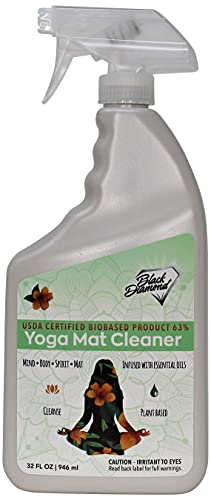
- Rubber yoga mat cleaner spray bottle
- Yoga mat cleaning brush silicone bristles
- Microfiber cloth for cleaning rubber yoga mat

Before You Start
Clear a clean workspace and lay the mat flat on a nonabrasive surface. Test any cleaner on a small area first to ensure no discoloration. Avoid highly acidic or abrasive cleaners that can damage rubber and do not soak the mat in water. Expect a cleaning session to take about 10–20 minutes, plus drying time.
Step-By-Step: How To Clean A Rubber Yoga Mat
- Rinse the mat with lukewarm water to remove loose sweat and debris.
- Spritz a light layer of rubber-friendly cleaner over the mat, focusing on stained areas.
- Use a yoga mat cleaning brush silicone bristles to gently scrub in a circular motion.
- Wipe away loosened grime with a microfiber cloth for cleaning rubber yoga mat, applying steady, even pressure.
- Rinse thoroughly with clean water to remove any soap residue.
- Pat dry with the microfiber cloth, then lay the mat flat in a shaded area to air dry completely.
- Inspect for remaining spots; repeat the cleaning if necessary.
- Once dry, roll or store the mat in a cool, dry place away from direct sunlight to preserve the rubber’s integrity.
Troubleshooting
| Symptom | Likely Cause | Fix | Prevention |
|---|---|---|---|
| Persistent odor | Trapped sweat/oils | Repeat cleaning with more emphasis on affected areas | Clean after every use; air out between sessions |
| Sticky residue after cleaning | Soap residue | Rinse twice and wipe dry | Use minimal cleaner |
| Discoloration | Harsh cleaners or sun exposure | Switch to milder cleaner; keep mat out of direct sun | Test cleaner first |
| Delamination at edges | Over-wetting or age | Avoid soaking; limit water exposure | Regular, light cleanings |
Common Mistakes
- Using bleach or ammonia-based cleaners on rubber mats
- Soaking the mat or leaving it submerged in water
- Using hard-bristled brushes that can abrade rubber
- Skipping thorough rinsing, leaving soap residue behind
Sticking to gentle cleaners and soft scrubbing tools helps preserve grip and elasticity.
Tips For Best Results
- Clean mats after particularly sweaty sessions for best hygiene.
- Ventilate the area to speed up drying and prevent mildew.
- Store mats rolled rather than folded to avoid creases that trap moisture.
- Rotate cleaners if you frequently sweat during practice—keep one dedicated to rubber mats.
Call A Professional
Resealing or deep-seated staining that doesn’t respond to home cleaning may warrant professional advice, especially for mats with unusual odors or visible damage. If the mat shows cracks, swelling, or persistent degradation, consult a gear specialist before use.
FAQ
Can I use regular household cleaners on a rubber yoga mat?
It’s best to stick with milder, rubber-safe cleaners to avoid chemical damage.
How often should I clean my rubber yoga mat?
Clean after intense sessions and at least weekly with light wipe-downs between uses.
Is it safe to spray cleaner directly on the mat?
Yes, but use a light mist and avoid saturating the mat to prevent long drying times.
How should I dry a rubber yoga mat?
Lay it flat or hang it in a shaded area to air dry completely before storage.
Will cleaning affect grip?
Proper cleaning with appropriate tools maintains grip; avoid residue buildup by thorough rinsing.
Buying Guide
Choosing the right cleaning routine also relates to mat size, frequency of use, and storage space. When considering a rubber yoga mat and its care, think about these factors:
- <bSize and thickness: Thicker mats can hold more moisture; ensure your cleaning method accommodates the thickness.
- <bLongevity and durability: Rubber mats resist wear but benefit from gentler cleaners to extend life.
- <bCleaning frequency: High-use mats may need more frequent deeper cleans.
- <bMaintenance tools: A dedicated yoga mat cleaning brush silicone bristles and a microfiber cloth for cleaning rubber yoga mat simplify routine care.
- <bPlacement and ventilation: Clean in a well-ventilated area to accelerate drying and prevent mildew.
To compare options, think about how each accessory aligns with your practice space and routine. Would a dedicated spray bottle streamline daily refreshes, or does a soft brush cover stubborn grime more effectively? Consider whether you prefer a quick wipe-down routine or a deeper monthly clean.
Leave a Reply