How to Clean Wrought Iron Rust Safely and Effectively
Wrought iron railings, gates, and decorative pieces add timeless charm to homes, but exposure to moisture can cause rust over time. This guide walks American homeowners through practical, safe methods to remove rust and restore the metal’s appearance without damaging the structure.
Quick Answer
For light to moderate rust, start with hand tools like a wire brush and sandpaper, then seal with a rust-inhibiting primer. For stubborn corrosion, use a wire cup brush on a low-speed drill or grinder, and consider a sandblasting kit for heavy rust on larger surfaces. Always protect surrounding areas and wear PPE.
What You’ll Need
- Wire brush for rust removal wrought iron
- Angle grinder wire cup brush for rust removal iron
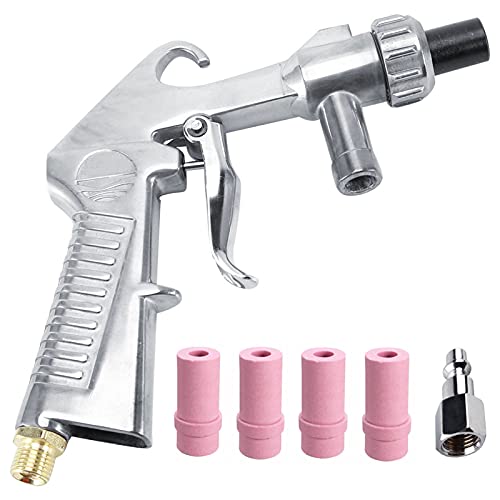
- Sandblasting kit for wrought iron railing rust removal


Before You Start
Assess the surface for flaking paint or deep pitting. Remove loose rust and debris with a stiff brush. Protect nearby plants, concrete, and skin from dust and chemical sprays. Work in a well-ventilated area and wear safety glasses, gloves, and a dust mask. Time estimate: 1–6 hours depending on rust severity and surface area. Crucial cautions: do not overheat metal with grinders, avoid inhaling rust dust, and never apply liquids to hot metal.
Step-By-Step: How To Clean Wrought Iron Rust
- Prepare the workspace and PPE, then inspect the piece for structural damage. If rust has caused significant weakening, stop and consult a professional.
- Remove loose rust and flaking paint with a stiff wire brush for wrought iron. Work in small sections to prevent splatter.
- For finer rust, sand the area with medium-grit sandpaper (around 80–120 grit) to smooth the surface and expose clean metal.
- If rust persists, attach a wire cup brush to an angle grinder or drill and gently work over the affected areas. Maintain light pressure and steady movement to avoid gouging.
- For extensive corrosion or intricate pieces, consider a sandblasting kit for wrought iron railing rust removal. Use low pressure and test on a hidden area first to gauge impact.
- Wipe the metal clean with a damp rag to remove dust and rust particles. Dry completely to prevent new rust from forming.
- Apply a rust-inhibiting primer designed for metal, followed by a durable paint or powder coating. Allow adequate drying time between coats as per product instructions.
- Inspect the finished finish for thin spots or missed areas and touch up as needed. Regular maintenance every 1–3 years helps prevent future rust.
- Store cleaning tools clean and dry after use, and dispose of rust debris according to local regulations.
Troubleshooting
| Symptom | Likely Cause | Fix | Prevention |
|---|---|---|---|
| Rust returns quickly after painting | Inadequate rust removal or primer failure | Re-clean area, use a rust converter, then repaint with multiple coats | Proper surface prep and high-quality primer |
| Tool overheats or binds | Excessive pressure or high speed | Reduce speed, use light pressure, take breaks | Follow tool manufacturer guidelines |
| Pitting remains after sanding | Deep rust corrosion | Mask or replace severely corroded sections; use filler if appropriate | Regular maintenance to catch early rust |
| Paint fails to adhere | Oil, grease, or wax on surface | Degrease thoroughly with mineral spirits before priming | Clean surfaces before any refinishing |
Common Mistakes
- Skipping the proper surface prep before painting
- Using excessive force with a grinder, causing gouges
- Rushing through the rust removal without checking for remaining corrosion
- Choosing incompatible primers or coatings for metal types
Taking time to prep and test on a small area reduces the risk of damaging the wrought iron and yields longer-lasting results.
Tips For Best Results
- Always start with non-abrasive methods and escalate only if needed.
- Test rust removal methods on a hidden area to gauge impact before full application.
- Use rust-inhibiting primers designed for exterior metal to extend protection.
- Consider a clear sealant for decorative pieces where paint is undesirable.
- Schedule weather-free days for outdoor projects to ensure proper drying and curing.
Call A Professional
Seek professional help if the iron shows deep structural corrosion, extensive pitting, or if the piece is an architectural or historical item with potential value. Stop cleaning and contact a metal restoration specialist when you notice:
- Visible cracks or significant loss of thickness
- Rust that has compromised load-bearing parts
- Uncertain safety of the railing or gate after rust removal
FAQ
Can I use household products to remove rust from wrought iron?
Household products can help for light rust, but specialized tools and rust removers provide more consistent results for broader surfaces.
Is sandblasting necessary for metal rust removal?
Not always. Sandblasting is effective for heavy rust or large areas, but smaller projects can usually be handled with brushes and sandpaper.
What kind of primer should I use after rust removal?
Choose a rust-inhibiting metal primer compatible with exterior metals and the chosen topcoat.
How often should you repaint wrought iron exposed to the elements?
Routinely inspect every 1–2 years and repaint as needed to prevent new rust from forming.
Buying Guide
When selecting tools and products for cleaning wrought iron, consider size, power, and suitability for outdoor metal. Important factors include:
- Size and surface area: Choose tools appropriate for the project scale, from small decorative pieces to large railings.
- Noise and vibration: Some grinders and sanders can be loud; consider models with reduced vibration if working indoors or in shared spaces.
- Energy efficiency: Opt for energy-efficient tools and low-draft dust collection options to minimize cleanup.
- Controls and safety features: Look for adjustable speeds, safety guards, and anti-kickback designs.
- Coatings and primers: Select rust-inhibiting primers compatible with exterior metal and matching topcoats.
- Placement and access: Consider accessibility around intricate shapes; handheld tools may be better for tight spots, while sandblasting requires aiming clearance.
Think about future maintenance: regular inspections, timely rust removal, and a protective finish can extend the life of wrought iron features. If a project involves historic pieces or significant architecture, consult guidelines and professionals to preserve value and safety.
Leave a Reply