How to Clean Reef Sandals: A Practical Guide for Fresh, Like-New Sandals
Reef sandals are beloved for their casual comfort and beach-ready style. Over time, sun, salt, sand, and sweat can leave them looking dull or smelling less than fresh. This guide walks through a simple, effective cleaning routine that preserves sandal materials and extends their life, whether you’re at home or on vacation.
By following a few easy steps, you can remove dirt, deodorize surfaces, and keep Reef sandals feeling and smelling clean for longer seasons of wear.
Quick Answer
Best overall method: use a soft bristle shoe brush to scrub with a mild soap solution, rinse with clean water, air dry away from direct heat, and treat persistent odors with a deodorizing spray.
What You’ll Need
- Soft bristle shoe brush sandal cleaning brush
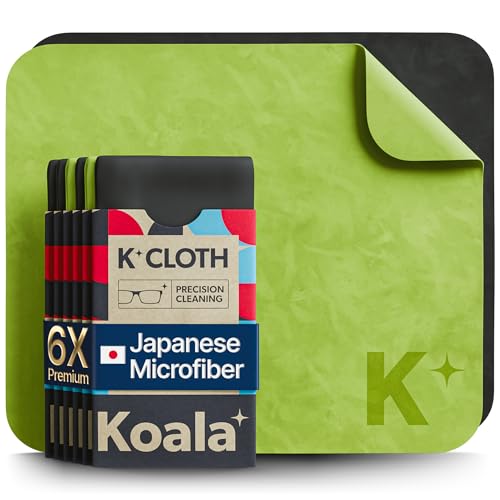
- Microfiber cleaning cloth for sandals
- Sandal cleaning kit with brush soap and deodorizer spray
![Shoe Cleaning Brush/Scrub Brush by Alloda - [Upgrade] Protect Double Sided Soft & Hard Sneaker Cleaner Brush by 100% Boar & Nylon Bristle](https://m.media-amazon.com/images/I/41L1TQ6yRwL._SL500_.jpg)

Before You Start
Prepare a small cleaning station with a basin of warm water and a clean towel. Avoid using hot water or harsh detergents, which can break down rubber components or fade fabrics. Test any spray on a hidden area first to confirm no discoloration. Allow ample ventilation and keep sandals away from direct sunlight while drying to prevent warping or cracking. Typical cleaning time ranges from 15 to 30 minutes per pair.
Step-By-Step: How To Clean Reef Sandals
- Remove any loose sand or debris by tapping the sandals together and brushing with the soft bristle brush.
- Mix a light soap solution in a basin: a few drops of gentle dish soap in warm water works well.
- Dip the brush into the solution and scrub the straps and sole in gentle circular motions, paying attention to crevices and textured areas.
- Wipe the surfaces with a microfiber cleaning cloth to lift remaining grime and to dry the area as you go.
- Rinse the sandals by wiping with a clean, damp cloth or running them under a gentle stream of cool water if the material allows.
- Pat dry with a towel and place sandals in a shaded, well-ventilated area to air dry completely.
- If odors persist, apply a light spray of sandal deodorizer or a spray designed for athletic footwear. Avoid saturating the material.
- Inspect the straps and footbed for wear; repeat light cleaning on any stubborn spots as needed.
- For white or light-colored soles, use a stain-removal cloth or a mild whitening solution designed for rubber > test first.
- Re-check after drying to ensure all surfaces are clean and dry before wearing again.
- Store in a cool, dry place away from direct heat to prevent material fatigue.
- If you frequently wear reef sandals near saltwater, consider a quick post-activity wipe-down to extend cleanliness between full cleanings.
Troubleshooting
| Symptom | Likely Cause | Fix | Prevention |
|---|---|---|---|
| Persistent odor after cleaning | Soap residue or trapped moisture | Re-wipe with clean water and dry thoroughly; re-spray with deodorizer | Air dry completely after each wear |
| Discoloration on straps | Harsh cleaners or sun exposure | Use mild soap and test on hidden area; avoid strong chemicals | Rinse promptly and keep out of direct sun while drying |
| Rough texture after washing | Soap buildup in crevices | Extra brush attention to crevices; wipe with microfiber cloth | Rinse thoroughly and dry as directed |
| Stuck or stretched straps | Too aggressive scrubbing or heat exposure | Gentle cleaning; avoid heat during drying | Store properly when not in use |
Common Mistakes
- Using hot water or harsh cleaners that damage materials
- Submerging sandals completely if not designed to be fully waterproof
- Skipping drying, which can lead to mildew or odor buildup
- Over-applying products that leave residue or slick surfaces
Sticking to mild cleaning methods keeps Reef sandals looking and smelling fresh without compromising the materials.
Tips For Best Results
- Clean sandals soon after heavy exposure to saltwater or mud to prevent staining.
- Use a dedicated toothbrush or brush with soft bristles for tough, textured areas.
- Pair cleaning with routine deodorizing to maintain comfort after long days outdoors.
- Always air-dry away from direct sunlight and heat sources to prevent warping.
- Store sandals in a breathable bag or on a rack to avoid crease formation.
Call A Professional
Consider professional cleaning if sandals show deep stains, persistent odors after multiple cleanings, or structural damage to straps or soles. Seek a shoe repair or footwear cleaning service if the footbed becomes excessively worn or if cleaning could compromise waterproofing or traction.
FAQ
Can I machine wash Reef Sandals?
Machine washing is generally not recommended as it can damage the materials and hardware. Hand cleaning with a soft brush is preferred.
What should I use to deodorize sandals?
Use a gentle sandal deodorizer spray or a spray labeled safe for rubber and fabric straps; avoid heavy fragrances that may irritate sensitive skin.
How often should I clean Reef sandals?
Clean them as needed after exposure to sand, salt, or sweat. A quick wipe-down between full cleans can extend freshness.
Are there any materials to avoid cleaning with?
Avoid bleach-based products or harsh solvents that can degrade rubber and fabric over time.
Will cleaning affect color or logo on Reef sandals?
Use mild cleaners and spot-test first to prevent fading or discoloration of logos and fabrics.
What about odors that won’t go away?
Repeated cleaning with deodorizer and ensuring complete drying usually resolves most odors; persistent issues may require professional assessment.
Buying Guide
Choosing the right cleaning approach for Reef sandals involves considering size, materials, and how often you wear them near water. Easy access to cleaning supplies matters, but a simple, reliable kit can cover most needs. When evaluating cleaning gear, consider the following factors:
- <bSize and fit of sandals: Ensure cleaning tools reach crevices without damaging the straps.
- <bNoise level and ease of use: Look for a soft-bristle brush and non-scratch cloth that operate quietly and comfortably in hand.
- <bEnergy and water efficiency: Mild soaps and quick-clean routines minimize water use while effectively removing dirt.
- <bControls and spray application: Deodorizer sprays with fine triggers help you avoid oversaturation.
- <bPlacement and drying: Dry sandals away from direct sun or heat to prevent material stress; a well-ventilated area speeds up drying.
When comparing kits, consider how comprehensive the included items are. A basic brush plus soap can be enough for routine cleanings, while a kit with deodorizer spray adds odor control for frequent wearers. For travelers, a compact kit may be ideal. Always follow the manufacturer’s care instructions to maximize sandal life and appearance.
Leave a Reply