How to Clean Really Dirty Hardwood Floors
Hardwood floors add timeless beauty but can become challenging when they accumulate dirt, grime, and sticky residues. This guide provides a practical, step-by-step approach using common tools and a gentle touch that protects the wood finish while delivering results. The method emphasizes safe cleaning products and proper technique to restore shine without damage.
Quick Answer
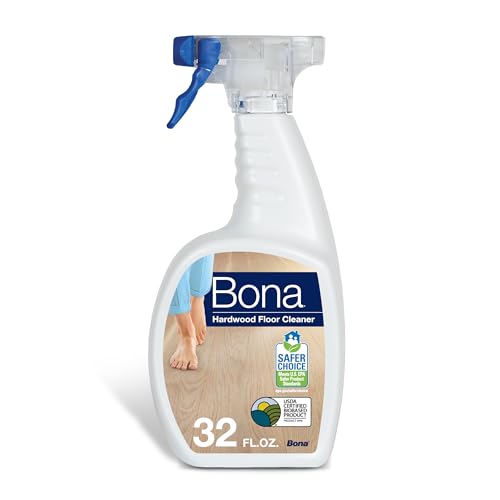
Start with a dry or lightly damp microfiber mop to remove loose debris, then apply a pH-neutral hardwood floor cleaner spray to a microfiber pad. For stubborn spots, use a deep-cleaning scrub brush designed for wood floors. Always follow manufacturer recommendations for your finish, work in small sections, and avoid soaking the wood.
What You’ll Need
- Microfiber mop for hardwood floors
- pH-neutral hardwood floor cleaner spray
- Deep-cleaning scrub brush for wood floors
- Soft cloths or towels for drying
- Optional: wood floor polish or sealer as recommended by the manufacturer


Before You Start
Inspect the floor for areas where the finish is chipped or worn. For damaged spots, avoid wetting the surface too much and consider spot cleaning or professional refinishing. Ensure ventilation and remove area rugs or furniture profiled obstructing the work area. Time estimate: 20–45 minutes for a standard room, more for large spaces or very dirty floors.
Safety note: Do not use ammonia, bleach, or abrasive cleaners on hardwood floors unless the manufacturer explicitly approves them. Excess moisture can cause warping; always wring out the cleaning pad well before use.
Step-By-Step: How To Clean Really Dirty Hardwood Floors
- Clear the room of movable furniture and rugs to create an open workspace.
- Dry-clean with a microfiber mop for hardwood floors to lift loose dirt and grit from the surface.
- Spray a light, even coat of pH-neutral hardwood floor cleaner spray onto a microfiber mop pad or directly onto the floor in small sections.
- Wipe in the direction of the wood grain using steady, overlapping passes to avoid streaks and water pooling.
- For stubborn spots or grime buildup, apply a touch of cleaner directly to a deep-cleaning scrub brush for wood floors and work gently in circular motions.
- Rinse or wipe the area with a clean, lightly damp microfiber cloth to remove any residue, then dry with a soft towel or dry microfiber pad.
- Repeat the process section by section until the entire floor looks clean without visible moisture on the surface.
- Reassess high-traffic areas; re-clean any spots that still appear dull or sticky after the initial pass.
- Allow the floor to air-dry completely before returning furniture or area rugs to their places.
- If your finish requires it, reapply a compatible polish or sealer following the product’s directions to restore gloss and protection.
- Maintain routine cleaning with periodic dry mopping and spot-cleaning to prevent heavy buildup.
Troubleshooting
| Symptom | Likely Cause | Fix | Prevention |
|---|---|---|---|
| Streaks or dull patches | Residue left from cleaner | Wipe with clean, damp microfiber pad and dry | Use sparing amounts of cleaner; follow manufacturer directions |
| Water spots or a warped area | Excess moisture | Dry immediately; avoid soaking; increase ventilation | Wring pads well; use minimal moisture |
| Scratches or dull wear after cleaning | Overly abrasive brushing or harsh cleaner | Switch to softer pad and non-abrasive cleaner | Test cleaner in a small area first |
| Finish discoloration | Incompatible cleaner or over-wetting | Cease use of product; consult floor finish guidelines | Stick to pH-neutral products and manufacturer-approved methods |
Common Mistakes
- Using soap-based cleaners that leave a film on hardwood floors
- Soaking the floor with water or overly damp mops
- Using abrasive brushes or pads that scratch the surface
- Skipping a drying pass, allowing moisture to linger
Tips For Best Results
- Work in small sections to maintain control over moisture and soil.
- Always follow the grain direction for a uniform look.
- Pre-clean with a broom or dry pad before damp cleaning to minimize moisture exposure.
- Pair the routine with regular upkeep like doorstep mats to reduce grit tracking.
- Choose products specifically labeled as safe for your wood finish and sealant.
Call A Professional
Consider a pro if there are deep scratches, extensive water damage, or an aged finish that looks hazy after cleaning. Stop and call a professional if you notice peeling, bubbling, or discoloration that suggests finish failure. Major moisture intrusion, cupping, or separating boards also warrants expert assessment to prevent further damage.
FAQ
Can I use a standard mop on hardwood floors?
Yes, but ensure it is a microfiber mop for hardwood floors and use only a light, damp pad to avoid excess moisture.
Is a pH-neutral cleaner necessary?
Using a pH-neutral hardwood floor cleaner spray helps protect finishes and reduces the risk of residue and streaks.
What if I have very stubborn stains?
Gently scrub with a deep-cleaning scrub brush for wood floors on the spot, then wipe away the residue with a clean microfiber cloth.
How often should I deep-clean my hardwood floors?
Deep-clean as needed based on traffic and dirt buildup, typically every 1–3 months for busy areas.
Buying Guide
When selecting tools and cleaners for dirty hardwood floors, consider size, noise, energy efficiency, controls, and placement. A well-chosen kit helps maintain the floor’s finish and appearance without frequent stripping. Here are key buying factors to compare:
- Size and coverage: Choose a microfiber mop for hardwood floors with a wide head if you have large rooms, but ensure it’s easy to maneuver in tight spaces.
- Cleaning agents: Prefer pH-neutral hardwood floor cleaner spray formulations that are compatible with your finish and safe for pets and kids.
- Aggressiveness: For stubborn grime, a deep-cleaning scrub brush for wood floors provides targeted action without harming the surface.
- Durability: Look for a mop and brush set with sturdy handles and washable pads for long-term use.
- Maintenance needs: Consider products that require minimal rinsing and quick-drying times to fit busy schedules.
- Placement considerations: Ensure cleaners and tools can access corners and around furniture legs without scratching.
With the right combination of tools and products, cleaning really dirty hardwood floors becomes a manageable task. Think through your room size, finish type, and daily foot traffic to tailor the approach. Would you rather start with a quick pass or go straight to deeper spot cleaning for the toughest grime?
Leave a Reply