How to Clean Range Hood Grease
Maintaining a clean range hood not only keeps your kitchen looking bright but also helps preserve the efficiency of the vent system. Grease buildup can affect airflow, attract pests, and create unpleasant smells. This guide walks through a practical, safe method to remove greasy residue from stainless steel range hoods in American homes.
Quick Answer
Best method: Use a gentle degreaser designed for stainless steel, paired with non-scratch tools, followed by a microfiber wipe for a streak-free finish. Regular wiping after cooking helps prevent heavy buildup.
What You’ll Need
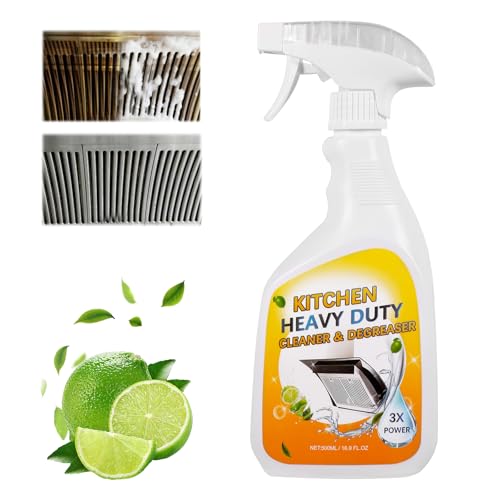
- Stainless steel range hood degreaser spray 24 oz
- Non-scratch nylon scrub brush for stainless steel range hood cleaning angled handle
- Microfiber cleaning cloths for stainless steel range hood 12×12 inches 24-pack


Before You Start
Prepare a clean, well-ventilated workspace. Turn off the range hood and unplug the stove if possible. Remove filters if they are dishwasher safe, or set them aside for soaking. Protect the surrounding surfaces with a damp towel to catch drips. Time estimate: 20–40 minutes for a typical cleaning session. Caution: Avoid abrasive cleaners or steel wool on stainless steel, which can scratch the surface. Always test a small area first to ensure compatibility with the finish.
Step-By-Step: How To Clean Range Hood Grease
- Remove all filters and place them in warm, soapy water to loosen grease.
- Lightly mist the exterior with a stainless steel safe degreaser spray and let it sit for 1–2 minutes to break down buildup.
- Wipe with a microfiber cloth, following the grain of the metal to reduce streaks.
- For stubborn spots, use a non-scratch nylon scrub brush with gentle pressure and small circular motions. Avoid applying heavy force to avoid scratching.
- Rinse the cloth frequently and wipe again to remove remaining residue and cleaner traces.
- Revisit the seams and corners with the brush or a cotton swab to dislodge trapped grease.
- Wipe the entire surface with a dry microfiber cloth to remove moisture and restore shine.
- Reinsert filters once fully dry. If filters are machine-washable, follow manufacturer directions for cleaning and drying.
- Wipe down the hood interior if accessible, using a lighter mist of degreaser and a fresh microfiber cloth.
- Perform a quick test run of the hood to ensure no cleaner smell remains and airflow is unobstructed.
- Schedule periodic upkeep: light cleaning after heavy cooking and a deeper clean every few weeks, depending on usage.
- Store tools and cleaners in a dedicated cabinet to keep the kitchen organized and ready for the next cleaning cycle.
Troubleshooting
| Symptom | Likely Cause | Fix | Prevention |
|---|---|---|---|
| Sticky grease resists removal | Oil has polymerized on metal | Reapply degreaser and let sit longer; use light heat or warm cloth | Wipe after cooking with a damp microfiber cloth |
| Streaks on stainless steel | Improper wiping direction or residue | Wipe with grain; use fresh cloths | Dry thoroughly after each clean |
| Scratches appear on surface | Abrasive tools or cleaners used | Switch to non-scratch brushes and approved degreasers | Avoid metal pads; use soft cloths |
| Filters not drying properly | Grease trapped in fabric or mesh | Soak longer or replace with new filters | Regular cleaning after cooking |
Common Mistakes
- Using abrasive pads on stainless steel
- Over-saturating the surface with cleaner, leaving residues
- Skipping the grain when wiping, causing streaks
- Neglecting to clean filters, which accelerates grime transfer
- Not drying the surface completely, which can promote water spots
Tips For Best Results
- Choose a stainless steel range hood degreaser spray 24 oz that is labeled safe for kitchen appliances and non-corrosive.
- Pair the degreaser with a non-scratch nylon scrub brush for stainless steel range hood cleaning angled handle to reach tight corners.
- Use microfiber cleaning cloths for stainless steel range hood 12×12 inches 24-pack for quick, lint-free wiping.
- Wipe in the direction of the grain and finish with a dry, polish-focused microfiber cloth.
- Schedule routine maintenance during weekends to prevent heavy buildup and reduce cleaning time.
Call A Professional
Consider a professional if the hood shows persistent grease buildup beyond surface cleaning, if the paint or finish appears damaged, or if the hood has electrical or ventilation concerns. Also contact a pro if the hood or ductwork emits unusual noises, heat, or smells during operation that do not improve with basic cleaning.
FAQ
Can I use dish soap on a stainless steel range hood?
Dish soap is safe for light cleaning, but for heavy grease use a dedicated degreaser designed for stainless steel to avoid residue buildup.
How often should I clean a range hood?
Light wiping after cooking and a deeper clean every few weeks is typical for average use; heavy cooking may require more frequent cleaning.
Are microfiber cloths essential?
Yes, microfiber cloths reduce lint and streaks, leaving a smoother finish on stainless steel surfaces.
Will a steam cleaner help?
Steam can loosen grease, but avoid excessive moisture near electrical components. Use steam with caution and follow manufacturer guidelines.
Buying Guide
When selecting products for range hood maintenance, consider size, noise level, energy efficiency in the vent system, controls, and placement. For tools, look for non-scratch brushes and compatible degreasers formulated for stainless steel to protect the finish. A compact kit that includes a degreaser spray, a flexible angled brush, and multiple microfiber cloths offers versatility for different hood designs and hard-to-reach areas. If space is limited, prioritize a spray and a single brush that can handle most cleaning needs. For frequent cooks, establish a routine that aligns with your stove usage to prevent heavy buildup and simplify maintenance.
Leave a Reply