How to Clean Quarters Safely and Effectively
Quarters and other coins can accumulate grime, toning, or tarnish over time. Proper cleaning preserves detail and keeps coins in collectible condition when handled for study or display. This guide outlines practical methods using common coin-cleaning tools while minimizing risk to the coin’s surface.
Quick Answer
For lightly dirty quarters, start with a gentle nylon brush and plain distilled water. For more stubborn grime, use a coin cleaning solution formulated to be safe for coins, and consider an ultrasonic cleaner for delicate cleaning. Always rinse thoroughly and dry completely to avoid water spots.
What You’ll Need
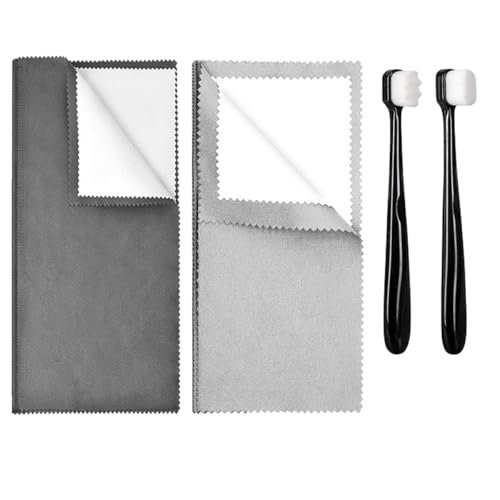
- Soft bristle coin cleaning brush nylon
- Coin cleaning solution safe for coins 2 oz
- Ultrasonic coin cleaner 40kHz


Before You Start
Assess the coin’s value and whether cleaning is appropriate. Cleaning can reduce grade and market value for some coins, especially rare or heavily circulated pieces. Work over a shallow tray to catch drips, and use distilled water to avoid mineral deposits. Always test on a non-valueless coin first if unsure. Never use abrasive pads, household detergents, or metal polishes on quarters, as these can scratch or pit the coin’s surfaces.
Step-By-Step: How To Clean Quarters
- Place the quarters in a small container and cover with distilled water to loosen surface grime.
- Gently scrub each coin with the soft bristle coin cleaning brush nylon to remove loose dirt.
- Rinse coins under clean distilled water and inspect for remaining deposits.
- Apply a small amount of coin cleaning solution safe for coins 2 oz to a soft brush or directly to the coin if the solution’s label permits.
- For stubborn grime, place coins in the ultrasonic coin cleaner 40kHz, following the device’s manual for timing and solvent use.
- Run a short cleaning cycle, then remove coins and rinse thoroughly with distilled water.
- Pat coins dry with a soft, lint-free cloth and spread them on a clean surface to air-dry completely.
- Inspect for any remaining residues; repeat steps 4–7 if necessary, using minimal cleaning to avoid damage.
- Store cleaned quarters in an dry, low-humidity environment to prevent tarnish.
- Record any cleaning actions in a log for future reference, especially if coins are part of a collection.
- If a coin shows deep patina or potential value concerns, consult a professional before further cleaning.
Troubleshooting
| Symptom | Likely Cause | Fix | Prevention |
|---|---|---|---|
| Cloudy water or smeared coins after cleaning | Residue from cleaning solution | Rinse thoroughly with distilled water; avoid over-application | Use the minimal required amount of solution and a gentle rinse |
| Scratches or micro-scrapes on surfaces | Abrasive cleaning tools | Stop using abrasive materials; switch to soft nylon brushes | Inspect brush condition; replace worn brushes |
| Coins remain dull after cleaning | Surface patina or oxidation | Accept natural toning; avoid aggressive methods | Limit cleaning to necessary deposits only |
| Water spots after drying | Mineral deposits | Dry with a lint-free cloth and ensure distilled water is used | Dry coins promptly in a dust-free area |
Common Mistakes
- Using household cleaners or dish soap on coins
- Brushing too aggressively with stiff brushes
- Over-cleaning a coin with the ultrasonic cleaner
- Rinsing with tap water that leaves mineral residues
Careful handling and the right tools help preserve coin details while removing surface grime.
Tips For Best Results
- Test cleaning methods on inexpensive coins before applying to valuable pieces.
- Use distilled water for all rinsing steps to avoid mineral deposits.
- Keep cleaning sessions short and gentle to minimize risk to patina and details.
- When using an ultrasonic cleaner, choose a low-frequency setting (around 40kHz) and monitor the process closely.
- Dry coins completely and avoid stacking while damp to prevent sticking or spotting.
- Store coins in a cool, dry place away from direct sunlight after cleaning.
Call A Professional
Seek professional advice if a coin has significant numismatic value, suspected cleaning damage, or uncertain heritage. Stop pursuing aggressive cleaning if you notice any loss of detail, flat spots, or shiny artificial appearance that may indicate over-cleaning. A professional conservator or dealer can provide assessment and specialized cleaning options.
FAQ
Can cleaning a quarter increase its value?
Cleaning can decrease value for many coins, especially rare or high-grade pieces. It may erase surface details and alter patina important to collectors.
Is ultrasonic cleaning safe for all coins?
Ultrasonic cleaning is not suitable for all coins. It works for light cleaning on some coins but can damage others. Always test and follow manufacturer guidelines.
What kind of brush should I use?
A soft bristle coin cleaning brush nylon is recommended to avoid scratching the surface.
How much cleaning solution is needed?
Use a small amount sufficient to wet the coin’s surface; excessive solution can leave residues that require additional rinsing.
Buying Guide
When selecting coin-cleaning gear and solutions, consider the following factors to optimize results while protecting your quarters and other coins:
Size and capacity
Choose a cleaning bath or ultrasonic cleaner with a capacity that fits the coin sizes you handle most. A compact unit is often sufficient for quarters and small coins, while larger collections may benefit from a bigger unit.
Noise level
Ultrasonic cleaners can generate noticeable noise. Look for models with lower decibel ratings if the device will operate in shared spaces or near living areas.
Energy efficiency
Energy-efficient options reduce running costs over time. Check standby modes and power consumption specifications.
Controls and ease of use
Intuitive controls and clear instructions help prevent misuse. Some units offer preset cleaning cycles tailored to coin cleaning needs.
Placement and safety
Place cleaners on stable surfaces away from heat sources and moisture. Ensure ventilation in the room and store cleaning solutions safely away from children and pets.
Performance perspectives
Balance between gentle cleaning and effective grime removal is key. For most hobbyists, a combination of a nylon brush, a safe cleaning solution, and a controlled ultrasonic cycle provides reliable results without risking damage.
Leave a Reply