How to Clean Puke: A Practical Guide
Cleaning up after an episode is not only about removing visible stains but also about tackling odors and preventing lingering bacteria. This guide provides clear, step-by-step instructions for effective cleanup using readily available supplies, with a focus on safety and quick turnaround.
Whether dealing with carpet, upholstery, or hard surfaces, following a structured method helps restore your space quickly and reduces the chance of recurring odors. The tips below are written for a broad American audience and emphasize accessible products and safe disposal practices.
Quick Answer
Act fast: blot to remove excess liquid, neutralize odors with an enzyme-based cleaner, then follow with a thorough rinse and dry. Use protective gloves and dispose of contaminated materials in lined bags. For large messes, a disposable vomit cleanup kit simplifies the process and enhances safety.
What You’ll Need
- enzyme-based vomit stain remover cleaner 32 oz
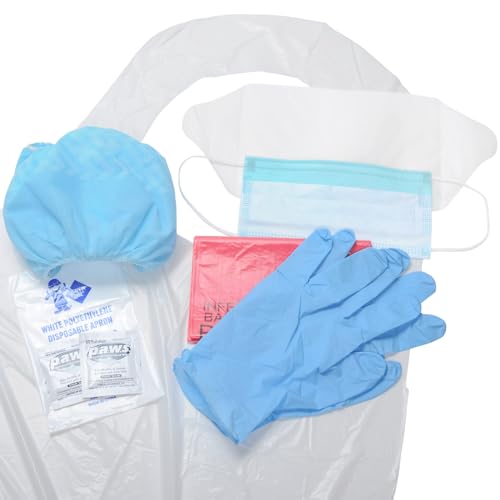
- disposable vomit cleanup kit with PPE gloves bags and towels
- commercial-grade carpet and upholstery cleaner enzyme vomit remover 1 gallon


Before You Start
Prepare a clean, ventilated workspace and gather all supplies before you begin. Protect your hands, eyes, and lungs with appropriate PPE; wear gloves and, if possible, a mask during the cleanup and drying phases. Test cleaners on a inconspicuous area first to ensure fabric or finish compatibility. Time estimates vary by surface: plan for 30 minutes to complete the initial cleanup, plus several hours for thorough drying.
Step-By-Step: How To Clean Puke Effectively
- Contain and blot Act quickly to prevent absorption into fibers. Use disposable towels or paper towels to blot up as much liquid as possible without rubbing, which can spread stains.
- Apply enzyme cleaner Generously mist or dab enzyme-based vomit stain remover cleaner on the affected area. Enzymatic cleaners break down organic matter and neutralize odors more effectively than detergents alone.
- Let it work Allow the cleaner to sit per product directions—often 5–15 minutes—to penetrate and break down residues. Do not let the solution dry completely on fabric.
- Rinse or blot with water Lightly rinse or blot with clean water to remove loosened material and cleaner residue. Use a separate set of towels to absorb the moisture.
- Repeat if needed For stubborn stains or strong odors, reapply the enzyme cleaner and repeat the processing steps. Persistence often yields the best results.
- Deodorize and sanitize If odor remains, apply a second pass with an odor-control cleaner or a dedicated sanitizer compatible with the surface. Ensure proper ventilation during this step.
- Dry thoroughly Use fans or open windows to speed drying. For carpets, a white towel placed on the area can help gauge moisture; for upholstery, use a textile-safe dryer setting if applicable.
- Dispose and sanitize tools Place soiled towels and disposable items in a lined bag and seal before disposal. Sanitize any reusable tools used in the cleanup.
- Inspect the area After drying, recheck for odor or remaining staining. Address any spots with a follow-up treatment if needed.
Troubleshooting
| Symptom | Likely Cause | Fix | Prevention |
|---|---|---|---|
| Persistent odor after cleaning | Insufficient enzymatic action or incomplete drying | Reapply enzyme cleaner and allow longer dwell time; increase ventilation | Treat odor promptly; avoid over-wetting during cleaning |
| Stain reappears after drying | Stain material penetrated deeper into fibers | Spot-treat with enzyme cleaner and blot from outside toward center | Address promptly and avoid rubbing |
| Color change on fabric | Cleaner or moisture interacted with dye | Test product in a hidden area first; switch to fabric-safe cleaner if needed | Perform a small patch test before full application |
| Residual moisture after drying | Inadequate ventilation or heavy soiling | Increase airflow, use dehumidifier if possible | Clean in stages and avoid over-wetting |
Common Mistakes
- Rubbing stains, which can embed them deeper into fibers
- Using harsh cleaners on delicate fabrics without testing first
- Waiting too long to start cleanup after an incident
- Not using protective PPE or proper disposal methods
Tips For Best Results
Choose enzyme-based products for organic stains to improve odor control. Always work from the outer edges toward the center to prevent spreading. Ventilate the area during and after cleaning to speed up drying and reduce lingering smells. For multi-surface use, check labels to ensure compatibility with carpet, upholstery, wood, or fabric finishes. If a stain is particularly stubborn, repeat the process rather than applying stronger cleaners that may damage surfaces.
Call A Professional
Consider contacting a professional cleaner if the stain covers a large area, involves delicate materials, or there is persistent odor despite multiple cleanings. Seek immediate help for water-damaged materials or signs of mold growth. If anyone experiences health concerns or allergies, pause the cleanup and consult a specialized service promptly.
FAQ
What is the best cleaner for vomit on carpets?
Enzyme-based vomit stain removers are typically most effective for breaking down organic matter and neutralizing odors on carpets.
Can I use the same cleaner on furniture and carpets?
Many cleaners are designed for multi-surface use, but always test a hidden area first and follow label directions for each material.
How long should I let the cleaner sit?
Most enzymatic cleaners require 5–15 minutes of dwell time to work properly; refer to the product label for exact guidance.
Is it safe to use a disposable vomit cleanup kit?
Yes, disposable kits with PPE gloves, bags, and towels reduce exposure to contaminants and simplify containment and disposal.
What if the stain is on upholstery?
Use upholstery-safe cleaners and follow fabric care guidelines; blot rather than rub and allow thorough drying to prevent fiber damage.
Should I replace towels after cleaning?
Yes, seal and dispose of soiled towels in a lined bag to prevent contamination and odors from lingering.
When is it appropriate to call a professional?
For large areas, delicate fabrics, persistent odors, or potential mold, professional help is recommended.
Buying Guide
When selecting cleaning products for vomit cleanup, consider size, efficiency, and surface compatibility. A larger enzyme cleaner can handle repeated incidents or larger areas, while a disposable cleanup kit facilitates rapid response and safer containment. Look for products labeled as safe for carpet and upholstery to cover common household surfaces. Energy-efficient, low-odor formulas are preferable for indoor use. Ensure the product has clear instructions, dwell times, and safety warnings. If multiple surfaces are present (carpet, fabric, hard surface), opt for a kit or combination of cleaners that cover all needs without requiring separate purchases.
Buying Guide: Key Factors
- Size and coverage: Choose appropriately sized containers to match typical mess frequency; larger sizes reduce replacement trips.
- Odor control: Enzymatic formulas paired with deodorizers offer longer-lasting results.
- Surface compatibility: Verify the product is safe for carpet, upholstery, and other materials in your home.
- Application controls: Look for clear spraying, soaking, or blotting directions to minimize overuse.
- Safety and disposal: PPE requirements and disposal guidance protect occupants and cleaners.
- Placement and storage: Store out of reach of children and pets; keep near cleaning supplies for quick access.
With the right tools and a straightforward plan, cleaning puke becomes a manageable task that helps restore comfort and cleanliness in living spaces. If in doubt, start with a small test spot and proceed with care, documenting any unusual surface reactions along the way.
Leave a Reply