How to Clean a Portable Dishwasher Efficiently
Portable dishwashers offer convenience for kitchens with limited space or for renters who cannot install a built-in unit. Regular cleaning helps maintain performance, prevent odors, and extend the appliance’s life. This guide covers practical steps, essential tools, and safety tips for keeping a portable dishwasher fresh and efficient.
Quick Answer
Fast method: Empty the unit, run a hot empty cycle with a cup of white vinegar, then scrub the interior with a portable dishwasher interior cleaning brush with handle. Clean the filter with a dishwasher filter cleaning brush for portable units, and finish with a brief rinse using a high pressure spray nozzle attachment for dishwasher cleaning to remove stubborn residues.
What You’ll Need
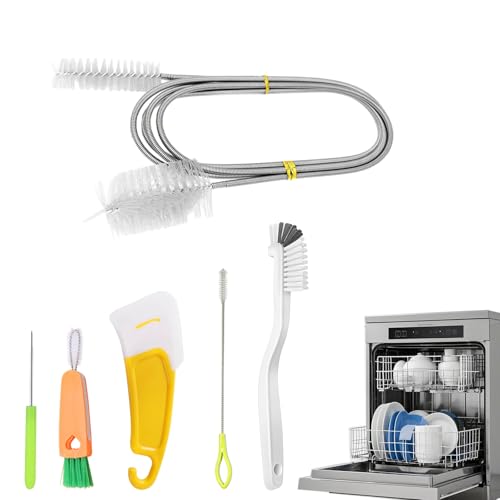
- Portable dishwasher interior cleaning brush with handle
- Dishwasher filter cleaning brush for portable units
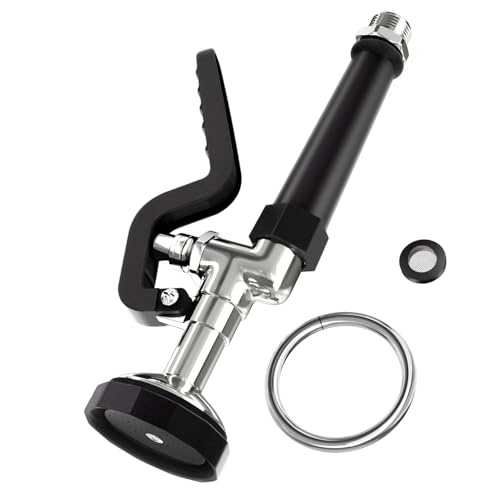
- High pressure spray nozzle attachment for dishwasher cleaning

Before You Start
Prepare a clean area around the appliance and ensure it is unplugged before any maintenance. Remove racks to access all interior surfaces easily. Safety first: avoid splashing hot water, wear gloves, and keep children away during cleaning. Expect a 30–60 minute maintenance session depending on the level of buildup. If the unit is heavily scaled or has recalls, seek professional guidance before proceeding.
Step-By-Step: How To Clean A Portable Dishwasher
- Disconnect power and water supply. Move the unit to a stable area with access to a sink or drainage.
- Remove all dishes and racks. Inspect seals and gaskets for wear or buildup.
- Run a hot empty cycle with a cleaning agent or a cup of white vinegar placed on the top rack to dissolve mineral deposits.
- Fill and use a portable dishwasher interior cleaning brush with handle to scrub the interior walls, door edges, and seal areas where residue can collect.
- Remove and rinse the dishwasher filter cleaning brush for portable units to scrub the filter basket and mesh gently, ensuring pores are clear.
- Rinse the spray arms and nozzles. Use a high pressure spray nozzle attachment for dishwasher cleaning to blast away stubborn debris from small ports.
- Wipe the door seam and rubber gaskets with a damp cloth to remove mold-prone buildup.
- Reassemble racks, run a final hot water cycle with clean water only to rinse the interior and ensure no cleaning residues remain.
- Inspect for leaks after the final cycle. If any leaks appear, reseat seals and check hoses for wear.
- Dry the interior with a clean towel and leave the door slightly ajar to air-dry after use.
- Schedule routine cleaning every 1–2 months or after heavy use, depending on water quality and mineral content.
- Record maintenance dates and monitor performance for any changes in cleaning efficiency.
Troubleshooting
| Symptom | Likely Cause | Fix | Prevention |
|---|---|---|---|
| Water remains in the bottom after cycle | Drain hose clog or pump issue | Check drain hose for kinks; clear clogs; test pump operation | Regularly clear debris from filter and spray arms |
| Unusual odor | Bacteria buildup in seals or filter | Deep clean interior; sanitize with vinegar wash | Leave door ajar after cycles; clean filter often |
| Uneven cleaning | Impinged spray arms or clogged nozzles | Clean spray arms; remove obstructions | Use proper loading to avoid blocking spray |
| Gasket leaks | Worn door seal | Inspect and replace seal if needed | Clean gasket and avoid overloading |
Common Mistakes
- Using regular dish soap inside the unit, which can create excess suds and residue
- Neglecting the filter and spray arms during cleaning, leading to buildup
- Overloading the unit or blocking spray nozzles, resulting in poor cleaning
- Skipping the vinegar rinse or hot cycle, allowing mineral deposits to accumulate
Tips For Best Results
- Schedule a monthly maintenance check to keep performance consistent
- Use hot water cycles to improve mineral dissolution and sanitization
- Keep a spare set of brushes on hand to simplify routine cleaning
- Test the drain and spray arms after cleaning to verify proper operation
Call A Professional
Consider a professional if you notice persistent leaks, unusual noises, or a loss of cleaning power after thorough cleaning. Seek help promptly if drainage issues persist, seals are damaged, or electrical components show signs of wear.
FAQ
How often should I clean a portable dishwasher?
Clean the interior and filters every 1–2 months, or more often if you notice odors or mineral buildup.
Can I use vinegar to clean my portable dishwasher?
Yes. Run a hot empty cycle with white vinegar to dissolve minerals and sanitize surfaces.
What tools help with cleaning portable dishwashers?
Use a portable dishwasher interior cleaning brush with handle, a dishwasher filter cleaning brush for portable units, and a high pressure spray nozzle attachment for dishwasher cleaning to reach tight areas.
What if there is persistent odor after cleaning?
Perform a thorough interior wipe-down, clean the door gasket, and run a sanitizing cycle with vinegar or a recommended cleaner.
Is it necessary to unplug the unit during cleaning?
Yes. Unplug the unit and turn off the water supply before any cleaning or maintenance.
Should I use detergent during cleaning cycles?
Avoid adding detergent during cleaning cycles; run cycles with clean water or a mild cleaning agent designed for dishwashers.
Buying Guide
When selecting a portable dishwasher, consider size and capacity to fit your space and typical load, noise levels during operation, and energy efficiency. Look for intuitive controls, adjustable racks, and flexible placement options for kitchens, laundry rooms, or apartments. Compare models based on wash cycles, efficiency ratings, and ease of maintenance. Evaluate compatibility with your water supply and drainage setup, and determine whether you need additional accessories like specialty brushes or nozzle attachments for routine cleaning. A compact, well-equipped unit with accessible filters and spray arms can simplify routine maintenance and improve overall performance.
Key Buying Factors
- Size and capacity: Choose a unit that fits your counter depth and available floor space while accommodating typical dish loads.
- Noise level: Look for low decibel operation if the unit is near living spaces or bedrooms.
- Energy efficiency: Check energy star ratings and use cycles that balance cleanliness with water and power use.
- Controls and ease of use: Simple, clearly labeled cycles reduce misuse and improve results.
- Placement and drainage: Ensure compatible drainage options and stable placement for portability.
Leave a Reply