How to Clean Porcelain Grill Grates
Porcelain grill grates are prized for their nonstick surface and even heat, but keeping them clean requires care. This guide walks American cooks through safe, effective methods to restore shine and extend the life of porcelain-coated grills. From prep to maintenance, you’ll find practical steps that work with typical backyard grills and weekend barbecues.
Understanding the right cleaning approach helps prevent pitting, discoloration, and coating damage. By following the steps below, you can remove stuck-on fats and residue without scratching the porcelain or compromising performance on the grill.
Quick Answer
Cool the grill completely, remove loose debris, and scrub with a non-abrasive brush and a gentle cleaner. Rinse well, dry thoroughly, and re-oil the grates to protect the surface. For stubborn buildup, soak the grates in warm, soapy water or use a porcelain grate cleaner spray non-abrasive, then scrub with a nylon-bristle brush. Always avoid steel wool or harsh abrasives on porcelain surfaces.
What You’ll Need
- Porcelain grill grate cleaner spray non-abrasive
- Porcelain coated grill grate cleaning brush nylon bristles
- Barbecue grill grate scraper tool for porcelain surfaces
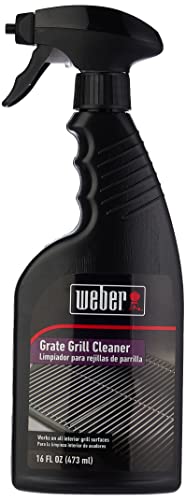


Before You Start
Ensure the grill is completely cool before handling the grates. Remove grates from the grill and lay them on a stable work surface. Protect the surrounding area with a towel or tray to catch drips. Safety notes: wear gloves to prevent temperatures from returning to skin and avoid splashing hot water onto hot surfaces. Time estimate: 20–40 minutes for a full clean, depending on buildup. Do not use metal scrubbers or abrasive cleaners on porcelain, as these can scratch the coating and shorten grate life.
Step-By-Step: How To Clean Porcelain Grill Grates
- Let the grates cool, then brush away loose debris with a nylon bristle brush to prevent embedding particles in the porcelain.
- Apply a porcelain-safe cleaner spray non-abrasive to the cooling grates, concentrating on areas with grease buildup.
- Let the cleaner sit for 3–5 minutes to break down fats, then scrub with the nylon-bristle brush using gentle, circular motions.
- For stubborn spots, fill a sink or tub with warm water and a small amount of dish soap; place the grates in the water and let them soak for 10–15 minutes.
- After soaking, re-scrub the grates with the brush. If residue remains, repeat the soaking and scrubbing step.
- Rinse thoroughly with clean water to remove all cleaner residues. Inspect the porcelain surface for any missed areas.
- Dry the grates completely with a clean towel or allow them to air-dry. Moisture can promote rust or staining if left on metal edges.
- Lightly oil the porcelain-coating before reinstalling to create a protective barrier against future sticking. Wipe away any excess oil.
- Reinstall grates on a cool grill. Fire the grill briefly to help with drying and to re-seat the coating if needed.
- Perform a quick burn-off test: heat to a high setting for 5–10 minutes and observe that the surface remains smooth and non-stick after cooling.
- Establish a routine: after every few uses, perform a light clean to prevent heavy buildup and maintain a pristine porcelain finish.
Troubleshooting
| Symptom | Likely Cause | Fix | Prevention |
|---|---|---|---|
| Persistent black specks | Oil residues baked onto the surface | Soak and scrub with porcelain-safe cleaner spray non-abrasive | Wipe down after use and oil lightly |
| Streaks after cleaning | Inadequate rinsing | Rinse thoroughly with warm water | Rinse twice if needed |
| Pitting or rough texture | Using abrasive tools | Switch to nylon-bristle brush or non-abrasive pad | Avoid metal scrapers |
| Grate surface discoloration | High-heat exposure and buildup | Clean regularly and avoid scrubbing with harsh tools | Clean after heavy grilling sessions |
Common Mistakes
- Using metal pads or steel wool on porcelain surfaces
- Letting grease buildup go untreated between cleanings
- Wetting hot grates or using boiling water on very hot porcelain
- Overcleaning, which can dull the glaze over time
- Neglecting to dry grates completely before reinstallation
Awareness of these pitfalls helps extend the life of porcelain coatings and keeps grilling surfaces uniform and non-stick.
Tips For Best Results
- Clean grills after the last use of the day to minimize baked-on residue.
- Use a porcelain-safe cleaner spray non-abrasive for routine maintenance.
- Keep a dedicated nylon-bristle brush for porcelain surfaces to avoid cross-contamination with other grill parts.
- Lightly oil the grates after drying to form a protective barrier and ease future cleaning.
- Store grates in a dry area to prevent moisture-related issues between grilling sessions.
Call A Professional
Seek professional help if porcelain appears chipped, deeply pitted, or if the coating seems compromised after cleaning. Signs that require a pro include noticeable coating loss, rust under the porcelain, or persistent flaking that cleaning cannot resolve. If you notice unusual odors or smoke during cooking that doesn’t align with normal usage, contact a service technician or the grill manufacturer’s support line for guidance.
FAQ
Can I use vinegar to clean porcelain grill grates?
Yes, diluted white vinegar can help break down grease, but avoid soaking for long periods and rinse thoroughly afterward to protect the coating.
Is it safe to soak porcelain grill grates?
Soaking is generally safe when using warm water and mild soap, but avoid boiling temperatures and harsh chemicals that could affect the glaze.
How often should I clean porcelain grill grates?
Clean after heavy grilling sessions or at least every few uses to prevent stubborn buildup and preserve the coating.
What tools are best for porcelain grates?
A porcelain grate cleaner spray non-abrasive, a nylon bristle brush, and a gentle scraper designed for porcelain surfaces are ideal.
Can I restore a stained porcelain surface?
Light stains can often be removed with a soak and gentle scrubbing, but deep staining may require professional assessment if the glaze is damaged.
Should I scrub while the grates are hot or cold?
Wait until the grates are fully cool before cleaning to avoid burns and surface damage.
Buying Guide
When selecting tools and products for cleaning porcelain grill grates, consider several factors to optimize results and protect the coating. Size and fit matter, as they determine how easily the cleaner and brushes access all grate areas. Noise level is a minor but practical consideration for late-night cleans. Energy efficiency and environmental impact come into play with cleaners—look for non-abrasive, non-corrosive formulas that are safe for porcelain coatings. Controls, such as spray bottles and ergonomic brushes, should feel comfortable in hand. Finally, consider placement and storage: keep cleaners and brushes in a dry, accessible spot near the grill to encourage routine maintenance. For best results, pair a porcelain-safe cleaner spray non-abrasive with a nylon bristle brush, and reserve a dedicated scraper for porcelain surfaces to avoid cross-contamination. With the right setup, porcelain grates stay smooth, shiny, and ready for your next cookout.
Leave a Reply