How to Clean Pool Floats
Pool floats bring fun and floatation to backyard pools, but exposure to sun, chlorine, sunscreen, and grime can leave them looking dull or mildewy. A simple, safe cleaning routine can extend their life and keep surfaces comfortable to touch. This guide shows practical steps for American households to refresh vinyl pool floats and prevent damage.
Using the right tools and cleaners helps preserve color and material integrity. The methods below focus on vinyl floats commonly found in many American pools and use accessible products to maintain performance and appearance.
Quick Answer
Rinse floats with clean water, scrub with a soft bristle pool float scrub brush and a mild soap or vinyl pool float cleaning brush, then treat stubborn mold with a mildew remover spray for vinyl pool floats. Rinse thoroughly, air-dry away from direct sunlight, and store flat or inflated in a cool, dry place when not in use.
What You’ll Need
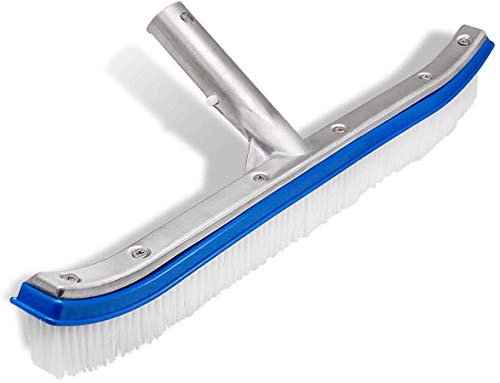
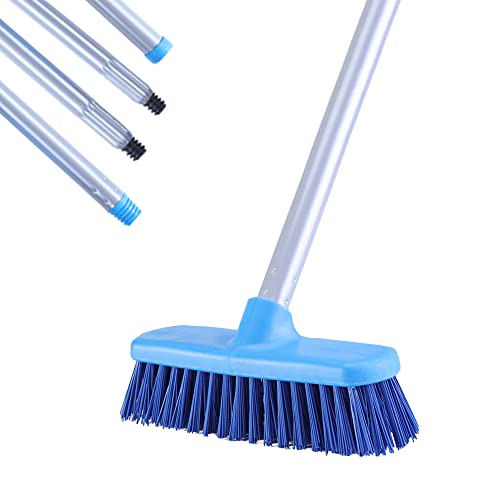
- Soft bristle pool float scrub brush
- Vinyl pool float cleaning brush
- Mild dish soap or a gentle cleanser
- Warm water
- White vinegar (optional for odor and mildew control)
- Mildew remover spray for vinyl pool floats
- Soft towel or microfiber cloth
- Storage bag or lid to protect floats when not in use

Before You Start
Inspect each float for leaks, tears, or loose seams before cleaning. Do not use harsh abrasive cleaners or scrub aggressively on seams, as this can cause damage. If a float shows structural weakness, consider repair or replacement to avoid deflation during use.
Surface prep: remove any accessories, deflated or inflated, then rinse with plain water to wash away loose dirt. Time estimate: 15–30 minutes for a single float, longer for several items.
Safety cautions: never use solvent-based cleaners on vinyl; avoid chlorine-based products that sit on the surface for extended periods. Keep cleaning products out of reach of children. If you have sensitive skin, wear gloves.
Step-By-Step: How To Clean Pool Floats
- Deflate the float partially if it is large, so you can reach all surfaces without excessive bending.
- Rinse the float with lukewarm water to remove loose dirt and sunscreen residues.
- Create a gentle cleaning solution by mixing mild dish soap with warm water in a bucket.
- Dip the soft bristle pool float scrub brush or vinyl pool float cleaning brush into the soapy water and scrub in a circular motion, paying attention to seams and textured areas.
- For stubborn grime, apply a small amount of diluted soap directly and let it sit for a minute before scrubbing again.
- If mildew or dark spots persist, spray a mildew remover spray for vinyl pool floats on the affected area and let it sit according to product directions. Rinse thoroughly afterward.
- Rinse the entire float with clean water until no soap residue remains. Use a gentle spray to avoid forcing water into seams.
- Dry the float with a soft towel, then air-dry completely away from direct sun to prevent fading or warping.
- If the float remains damp after air-drying, store in a cool, dry place to prevent mold regrowth.
- Inspect again for any signs of damage. If holes or seams are compromised, consider professional repair or replacement.
- Re-inflate if needed and store properly when not in use to extend the life of the float.
Troubleshooting
| Symptom | Likely Cause | Fix | Prevention |
|---|---|---|---|
| Fading color or chalky film | Sun exposure and mineral buildup | Rinse, clean with mild soap, and dry completely; apply a protective rinse after swimming | Rinse after each use; store out of direct sun |
| Persistent mildew smell | Moisture retention inside folds | Clean with mildew remover spray and ensure thorough drying | Dry thoroughly and avoid storing damp |
| Stiff or sticky surface | Chlorine or chemical residue | Rinse well, scrub with mild soap, and rinse again | Rinse with clean water after pool sessions |
| Small punctures or leaks | Wear and tear on seams | Repair or replace; avoid overinflation | Limit exposure to sharp objects; inspect routinely |
Common Mistakes
- Using harsh abrasives on vinyl surfaces, which can scratch and wear the material
- Leaving soap or cleaner on the surface, which can cause a slippery feel or residue
- Cleaning in direct sunlight, which can dry products too quickly and cause cracking
- Ignoring mold or mildew signs; delaying treatment can lead to bigger issues
- Storing a wet float without drying, inviting mildew growth
Tips For Best Results
- Clean floats on a shaded patio or indoors to avoid sun-driven drying while you scrub
- Use a dedicated brush labeled for vinyl to minimize surface abrasion
- Rinse thoroughly after applying mildew remover to prevent residue exposure
- For routine maintenance, a quick rinse and gentle wipe weekly can reduce deep cleaning frequency
- Store floats flat or loosely inflated in a cool, dry place to preserve shape and elasticity
Call A Professional
Stop and seek professional help if you notice large tears, widespread cracking, or persistent leaks that compromise safety or buoyancy. Do not attempt risky repairs on an extensively damaged pool float. If unsure about cleaning product compatibility with a specific float, consult the manufacturer’s guidance.
FAQ
Can I use bleach on vinyl pool floats?
Avoid chlorine-based bleaches on vinyl; they can degrade the material and colors over time.
Should I clean floats while inflated or deflated?
Deflating partially allows access to seams and folds; inflate again only after thoroughly drying.
Can I use vinegar for cleaning?
Yes, white vinegar can help deodorize and disinfect; dilute and rinse well after use.
How often should I clean pool floats?
Clean monthly during peak usage and spot-clean after heavy exposure to sunscreen, chlorine, or saltwater.
Buying Guide
When choosing future pool floats or replacements, consider factors that influence cleaning ease and durability. Size matters for storage, and noise is not a concern for floats, but material quality is essential for long-term maintenance. Evaluate how often you clean and whether you prefer minimal upkeep.
Key buying factors include size, where space is limited and storage considerations matter. Consider similar shapes and textures that respond well to a gentle scrub and mild cleaners. Environmental exposure, water chemistry, and sunlight exposure influence the choice of vinyl quality and resistance to mildew.
Look for a float made from durable, UV-stable vinyl that can tolerate chlorine and sunscreen residues. A smooth surface simplifies cleaning, while textured areas may trap grime and require extra brushing. For cleaning ease, it helps if the float is easy to deflate and re-inflate for thorough drying and storage.
Placement matters: indoor storage is ideal during off-seasons, while shaded outdoor storage protects color and elasticity. If you often encounter mildew, opt for a finish that resists mold and supports quick drying. Finally, check that the float includes user-friendly seams and reinforced valves to minimize leakage and maintenance.
Leave a Reply