How to Clean Pontoon Seats Safely and Effectively
Pontoon seats accumulate dirt, sweat, and mildew from salt air, sun exposure, and cabin usage. Regular cleaning helps preserve color, texture, and longevity of marine vinyl. This guide provides a practical, step-by-step approach using common cleaners and protectants designed for boats and marine upholstery.
Quick Answer
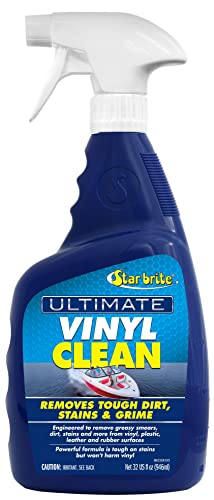
For bright, clean pontoon seats, start with a marine vinyl cleaner pontoon seats to lift grime, then apply a pontoon boat upholstery cleaner spray for stubborn spots. Finish with a marine vinyl protectant for boats to seal and protect against UV and moisture. Wipe, rinse, and dry thoroughly between steps.
What You’ll Need
- Marine vinyl cleaner pontoon seats
- Pontoon boat upholstery cleaner spray
- Marine vinyl protectant for boats
- Soft-bristle brush or sponge
- Microfiber cloths
- Spray bottle with water
- Bucket and mild soap (optional)


Before You Start
Clear the deck and remove loose debris from the seats. Test each product on a small, hidden area first to verify colorfastness. Work in a shaded area or during cooler parts of the day to avoid quick drying. Avoid harsh solvents or strong bleach, which can damage vinyl. Keep cleaners away from metal fittings and seams to prevent staining or wear. Time estimate: 45 minutes to 1.5 hours depending on the extent of staining.
Step-By-Step: How To Clean Pontoon Seats
- Prepare a cleaning solution using a marine vinyl cleaner pontoon seats in a spray bottle with a little water.
- Gently mist the seat surface and let the cleaner sit for 3–5 minutes to loosen embedded grime.
- Use a soft-bristle brush or sponge to scrub in circular motions, focusing on seams and creases where dirt collects.
- Rinse the area with clean water or wipe with a damp microfiber cloth to remove loosened dirt.
- For stubborn stains, apply a pontoon boat upholstery cleaner spray directly to the spot and repeat scrubbing.
- Dry the surface with a clean microfiber cloth; ensure all moisture is removed to prevent mold growth.
- Apply a marine vinyl protectant for boats to the clean, dry surface, following the product directions for coverage and cure time.
- Buff with a dry microfiber cloth to remove any streaks and enhance the finish.
- Inspect for remaining marks; repeat targeted cleaning if necessary after allowing the protectant to set for the recommended time.
- Reassemble cushions and return them to their original positions once dry and protected.
- Store any unused product in a cool, shaded place away from direct sunlight.
Troubleshooting
| Symptom | Likely Cause | Fix | Prevention |
|---|---|---|---|
| Faded color after cleaning | Aggressive cleaners or over-wetting | Switch to milder cleaner and dry promptly | Test spot first; use proper marine vinyl cleaners |
| Sticky feeling after cleaning | Excess cleaner residue | Rinse thoroughly and buff dry | Use minimal product, follow directions |
| Streaks or water spots | Improper drying | Dry with microfiber; apply protectant evenly | Work in shade; avoid sun-drying |
| Persistent mold or mildew | Moist environment | Ventilate area; repeat cleaning; treat with mildew remover if needed | Dry seats after use; store cushions dry |
Common Mistakes
- Using household bleach or ammonia-based cleaners on vinyl
- Over-saturating cushions with water or cleaner
- Skipping a protective sealant after cleaning
- Ignoring seams and piping where dirt hides
Tips For Best Results
- Work in small sections to maintain control over cleaning products and avoid over-wetting.
- Use a dedicated marine vinyl cleaner pontoon seats to preserve color and texture.
- Apply protectant in a well-ventilated area and rub in with a microfiber cloth for even coverage.
- Regular maintenance, such as monthly quick cleanups, extends the lifespan of upholstery.
- Store cleaning products upright and sealed to prevent leaks.
Call A Professional
Consider a pro if the seats show deep cracking, widespread color loss, or recurring mold that cannot be addressed with standard cleaners. Stop and seek help if:
- Stains reappear after multiple cleanings
- Vinyl seams separate or deteriorate
- Odors persist despite cleaning and ventilation
FAQ
Is marine vinyl cleaner safe for all pontoon seat colors?
Most marine vinyl cleaners are formulated to be color-safe, but always test a hidden area before full application.
How often should pontoon seats be cleaned?
Light maintenance monthly and a thorough cleaning every few months, depending on use and exposure.
Can I use a regular spray bottle for the cleaners?
Yes, as long as the products are designed for marine vinyl and labeled safe for upholstery.
Do I need to reseal after cleaning?
Yes, applying a marine vinyl protectant helps guard against UV damage and moisture after cleaning.
Buying Guide
Key Buying Factors
When selecting products for pontoon seat care, consider size of the seats, the level of staining, and the boat’s exposure to sun and salt. Look for a complete system that includes a marine vinyl cleaner pontoon seats, a pontoon boat upholstery cleaner spray, and a marine vinyl protectant for boats to simplify maintenance.
Size and Coverage
Choose cleaners and protectants with clear coverage estimates that fit your boat’s upholstery area. Larger boats or frequent users may benefit from larger bottles for fewer refills.
Performance And Safety
Opt for pH-balanced formulas designed for marine vinyl. Ensure products are labeled safe for vinyl and do not contain caustic agents that could harm the material.
Ease Of Use
Favor spray-on cleaners and wipe-down methods for quick maintenance. A combination kit often saves time and ensures compatibility between products.
UV Protection
UV-blocking protectants help prevent fading and cracking. Check the product for UV inhibitors and water resistance properties.
Application And Drying Time
Consider products that dry quickly to minimize downtime on the water. Short cure times allow passengers to resume use sooner.
Brand And Support
Rely on reputable marine-grade brands with clear instructions and customer support. Warranty or satisfaction guarantees can be valuable for ongoing maintenance.
Leave a Reply