How to Clean Pond Filters: A Practical Guide
Pond filters keep koi ponds and water gardens clear by housing beneficial bacteria and circulating water. Regular cleaning prevents clogs, maintains flow, and protects aquatic life. This guide walks American hobbyists through a safe, effective cleaning process using practical tools and common pond maintenance practices.
Quick Answer
Plan time for maintenance—a typical filter cleaning takes 30–60 minutes. Use lukewarm water for rinsing, avoid harsh chemicals, and inspect seals and hoses for wear. Begin with a gentle backwash or siphon technique to remove most debris, then clean media if needed and reassemble.
What You’ll Need
- Stiff nylon pond filter cleaning brush for koi pond
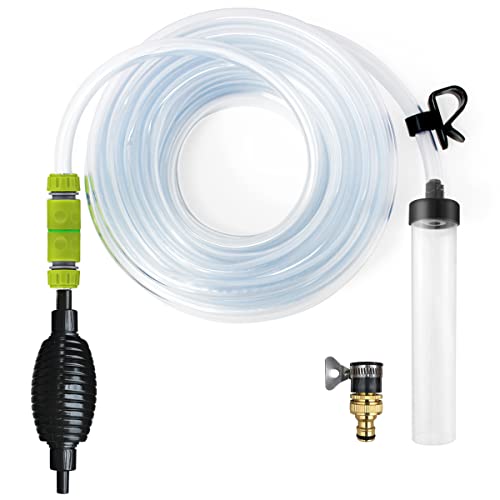
- Pond filter cleaning siphon with hose adapter
- Pond filter maintenance kit with cleaning brush and hose


Before You Start
Assess the pond and filter location before starting. Ensure the pump is off and disconnected from power. Reduce stress for fish by performing maintenance during warmer parts of the day or when fish activity is low. Gather all tools within reach to minimize water exposure. Safety note: never work on a live electrical component near water, and never use detergents or household cleaners in the pond.
Time estimate: 30–60 minutes for a typical cartridge or mechanical filter; more time may be needed for filter media removal and thorough rinse. Consider performing this task on a dry day to prevent mud and debris from washing back into the pond.
Step-By-Step: How To Clean Pond Filters
- Turn off and unplug the pump, then close any inlet outlets to prevent debris from flowing back into the pond.
- Put on gloves and safety glasses if you’re sensitive to debris; remove the filter lid to expose the media or cartridge housing.
- Inspect the stiff nylon pond filter cleaning brush for koi pond and use it to loosen compacted debris from the exterior of the filter housing and media surface.
- Utilize the pond filter cleaning siphon with hose adapter to initiate a gentle suction, drawing sludge out of the filter chamber without disturbing established beneficial bacteria too aggressively.
- Rinse removable media (pads, floss, or cartridges) with lukewarm water or pond water from the outlet side to preserve bacteria; avoid hot water which can damage beneficial cultures.
- Inspect seals, O-rings, and hose connections for cracks or wear; replace damaged components before reassembly.
- Reassemble the filter, ensure seals are snug, and slowly reintroduce water to prevent air locks. Check that the pump is primed and running smoothly.
- Restart the pump and observe flow. If flow remains low, recheck hoses and re-prime the system; friction from clogged lines is a common cause of reduced performance.
- Test water clarity over the next 24–48 hours and note any recurring buildup that might indicate media replacement timing or a need for deeper cleaning.
- Schedule regular maintenance intervals based on pond size, fish load, and seasonal changes to keep filtration at peak performance.
Troubleshooting
| Symptom | Likely Cause | Fix | Prevention |
|---|---|---|---|
| Low water flow after cleaning | Air lock or clogged intake | Prime the pump; reseat hoses | Check for air leaks and secure fittings |
| Filtration media still dirty after rinse | Heavy sludge buildup | Backwash more thoroughly; consider media replacement | Schedule more frequent non-disruptive cleanings |
| Pump running hot or noisy | Impeded flow or worn seals | Inspect seals, replace damaged parts | Regular inspections; avoid running dry |
| Water cloudy after cleaning | Displaced bacteria or incomplete rinse | Resume normal filtration and monitor | Avoid overly aggressive cleaning |
Common Mistakes
- Using hot water or soap to clean filter media, which harms beneficial bacteria.
- Rinsing media too aggressively, washing away helpful microflora.
- Ignoring wear on seals and hoses, leading to leaks and reduced performance.
- Waiting too long between cleanings, causing heavy debris buildup and higher maintenance later.
Tips For Best Results
- Develop a routine: short, frequent cleanings protect filter efficiency without stressing aquatic life.
- Keep a maintenance log noting date, observations, and any parts replaced to anticipate future needs.
- Use manufacturer-recommended media and compatible cleaning tools to avoid compatibility issues.
- When possible, perform maintenance during daylight hours when you can monitor fish behavior and water parameters.
Call A Professional
Call a professional if you notice persistent low flow after cleaning, frequent leaks, or if the filter is damaged beyond simple parts replacement. Seek expert help for complex pump failures or signs of pond ecosystem imbalance, such as unusually rapid algae growth or fish distress.
FAQ
How often should I clean pond filters?
Frequency depends on pond size, fish load, and filtration type; many hobbyists clean every 2–6 weeks during peak season and adjust in cooler months.
Can I clean a pond filter with tap water?
Avoid tap water that may contain chlorine. If necessary, use dechlorinated water or pond water to preserve beneficial bacteria.
What if I notice algae after cleaning?
Algae can indicate nutrient buildup; test water parameters and consider partial water changes and adjusting feeding practices.
Is it necessary to replace filter media?
Media should be inspected regularly; replace worn or degraded media to maintain filtration efficiency.
Buying Guide
When selecting pond filtration components or replacement parts, consider size, noise, energy use, controls, and placement. A well-matched system maintains steady flow and promotes a healthy ecosystem.
Key buying factors include choosing the right water flow rate for your pond size, selecting energy-efficient pumps, and evaluating how easy the filter is to access for routine maintenance. Consider location: surface filters should be accessible for cleaning, while submersible units require minimal pond clutter around the setup.
For tools, pick purpose-built items designed for pond maintenance, such as a stiff nylon pond filter cleaning brush for koi pond for agitation, a pond filter cleaning siphon with hose adapter for debris removal, and a pond filter maintenance kit with cleaning brush and hose for a complete, organized approach. These components work together to simplify routine care and extend filter life.
Leave a Reply