How to Clean Polyurea Garage Floors Safely and Effectively
Polyurea-coated garage floors offer chemical resistance and a durable surface, but routine cleaning is essential to maintain their shine and longevity. This guide provides practical steps, tools, and tips tailored for American homes and garages.
Quick Answer
Use a mild degreasing cleaner, a suitable electric pressure washer on low settings, and a microfiber scrub kit to lift dirt without scratching the coating. Rinse well and dry completely to prevent puddling and streaks.
What You’ll Need
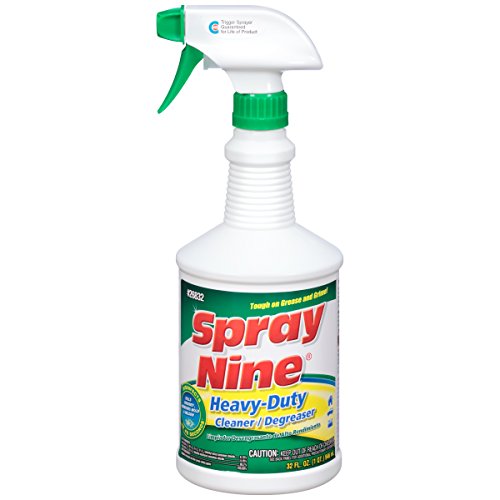
- polyurea garage floor cleaner degreaser spray 32 oz
- electric pressure washer for concrete garage floors with polyurea coating
- microfiber floor scrub mop kit for sealed concrete polyurea garage floors


Before You Start
Prepare the space by removing loose items and ensuring proper ventilation. Sweep or vacuum to remove dirt and grit that could act like sandpaper during scrubbing. Test a small inconspicuous area with your cleaner and pressure washer on a low setting to verify there is no surface discoloration. Time estimate: 30–60 minutes for routine cleaning; deeper clean may take 1–2 hours. Caution: avoid high-pressure settings that can dull the coating or seep into seams, and never use abrasive pads that can scratch the polyurea finish.
Step-By-Step: How To Clean Polyurea Garage Floors
- Clear the area and lightly sweep the floor to remove loose debris.
- Apply a polyurea garage floor cleaner degreaser spray 32 oz to stained or oily spots and let it sit for 5–10 minutes.
- Gently agitate the treated areas with a microfiber floor scrub mop kit for sealed concrete polyurea garage floors to lift grime.
- Rinse the floor with a electric pressure washer for concrete garage floors with polyurea coating set to a gentle spray (low PSI) to avoid streaking or lifting the coating.
- Proceed in sections, reapplying cleaner as needed and scrubbing stubborn spots such as oil stains or tire marks.
- Rinse thoroughly until all suds are removed and water streams off freely. Use a wide nozzle and maintain a consistent distance from the surface.
- Dry the floor with a clean, dry microfiber pad or squeegee, ensuring no standing water remains in seams or edges.
- Inspect for remaining residue; repeat steps 2–7 on any persistent areas. Finish with a light pass of clear water to ensure a pristine surface.
Troubleshooting
| Symptom | Likely Cause | Fix | Prevention |
|---|---|---|---|
| Streaks after cleaning | Residue or improper drying | Rinse thoroughly and dry completely; use a new microfiber pad | Rinse in sections; avoid leaving suds |
| Discoloration or dull finish | Harsh cleaner or high-pressure setting | Switch to milder cleaner and low PSI; test on a sample | Follow manufacturer guidance for cleaners |
| Sticky surface after cleaning | Residual cleaner or soap buildup | Extra rinse with fresh water and a dry wipe | Use minimal cleaner and rinse thoroughly |
| Coating wear at seams | Aggressive scrubbing or high pressure | Use gentle scrubbing and lower pressure | Regular, light cleaning to reduce build-up |
Common Mistakes
- Using strong solvents that can degrade polyurea coatings
- Scrubbing with abrasive pads that scratch the surface
- Relying on hot water alone without cleaning agents for oily stains
- Ignoring edges, corners, and wall joints where dirt tends to accumulate
Tips For Best Results
- Schedule routine cleaning monthly or as needed to prevent heavy buildup.
- Use a microfiber floor scrub mop kit for gentle yet effective cleaning and fast drying.
- Aim for even coverage when applying cleaner, then work in sections to avoid pooling.
- Keep a spare microfiber pad on hand for quick touch-ups after spills or automotive work.
Call A Professional
Consider a pro if you notice persistent staining, peeling, or flaking coating beyond routine cleaning. Stop signs include significant texture changes, damp areas after cleaning, or extensive wear near doorways and ramps. A professional can assess coating integrity and recommend reapplication or refinishing options.
FAQ
Is it safe to use a pressure washer on polyurea floors?
Yes, but use a low PSI setting and a wide nozzle to avoid damage or surface etching.
What cleaner should I avoid on polyurea coatings?
Avoid strong solvents, acid-based cleaners, and abrasive detergents that can degrade the coating.
How often should I deep clean polyurea garage floors?
Plan a deep clean every 1–3 months based on usage, oil exposure, and traffic.
Can I clean polyurea floors with hot water?
Moderate-temperature water is acceptable; hot water is usually unnecessary and can sometimes affect cleaners.
What drying methods work best?
Use a dry microfiber pad or a squeegee to remove standing water and speed up drying times.
Will cleaning products affect color or gloss?
Most approved cleaners preserve color and gloss when used as directed and rinsed well.
Should I reseal after cleaning?
Resealing is typically not needed for standard cleaning, but check with the coating manufacturer if wear is evident.
Buying Guide
Choosing cleaning tools and products for a polyurea garage floor involves several factors. Size and layout of the space affect how much cleaner and how many scrubbing passes are required. Noise level matters for home use, especially in attached garages. Energy efficiency comes into play with electric pressure washers and scrubbers that run longer on a single charge or with smaller motors. Controls should be simple and intuitive, and placement considerations include storing cleaning supplies away from vehicles and in a well-ventilated area. When evaluating options, consider the following:
- Size and capacity: A 32 oz bottle of cleaner is usually sufficient for typical cleanings; larger spaces may benefit from multi-pack options.
- Noise and vibration: Look for machines with reasonable noise levels and built-in anti-vibration features.
- Energy efficiency: Electric pressure washers with adjustable PSI save energy and protect coatings.
- Controls and ergonomics: Easy-grip handles and adjustable spray settings reduce fatigue.
- Placement and storage: Choose compact tools that fit in a standard garage cabinet and keep cords organized.
For polyurea floors, a balanced approach—mild cleaners, gentle scrubbing, and careful rinsing—delivers best results. If replacing or upgrading components, consider compatibility with polyurea coatings and long-term maintenance needs. Would you like recommendations tailored to a specific garage size or usage pattern?
Leave a Reply