How to Clean Polypropylene Fabric
Polypropylene fabric is durable and resistant to many stains, making it a popular choice for furniture and rugs. Proper cleaning helps extend its life without damaging the fibers. This guide provides practical steps, suitable products, and safety tips for effective care in a typical American home.
Quick Answer
For most everyday stains on polypropylene fabric, start with a light blot and water mix, then apply a dedicated polypropylene upholstery cleaner spray. Gently scrub with a polypropylene fabric washing brush, rinse, and air dry. For tougher stains, use a carpet stain remover for polypropylene rug, following the product instructions. Always test a small, inconspicuous area first.
What You’ll Need
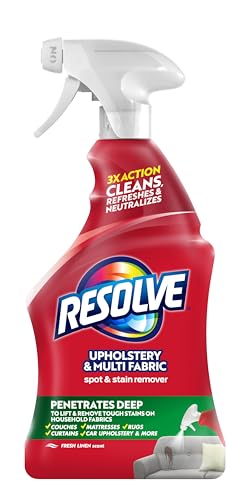
- Polypropylene upholstery cleaner spray
- Carpet stain remover for polypropylene rug
- Polypropylene fabric washing brush


Before You Start
Prepare a clean, well-ventilated workspace. Vacuum or brush loose dirt from the surface before applying any cleaner to avoid grinding debris into fibers. Perform a patch test on an inconspicuous area and wait 5–10 minutes to check for colorfastness or damage. Work materials at room temperature to prevent chemical reactions. Estimated time for a typical cleaning session is 20–60 minutes, depending on the fabric size and stain severity. Avoid saturating polypropylene fabrics with water or cleaners, which can lead to prolonged drying times or moisture-related issues.
Step-By-Step: How To Clean Polypropylene Fabric
- Move furniture or rugs to a well-ventilated area and vacuum thoroughly to remove loose dirt and dust.
- Apply a light mist of polypropylene upholstery cleaner spray to a hidden area; wait 1–2 minutes, then blot with a clean cloth to confirm no color change.
- For general cleaning, spray the cleaner onto the fabric from about 6–8 inches away to form a light, even coverage.
- Use the polypropylene fabric washing brush to gently scrub in a circular motion, focusing on stained or soiled spots without applying excessive pressure.
- Rinse the surface with a clean, damp cloth or a small amount of water. Avoid soaking the fabric; remove as much moisture as possible.
- For tougher stains, apply a small amount of carpet stain remover for polypropylene rug per its label, test first, then repeat light scrubbing and rinsing.
- Blot the fabric with a dry towel to remove excess moisture and speed up drying.
- Allow the fabric to air dry completely in a well-ventilated area away from direct heat or sunlight to prevent fading or distortion.
- Inspect the cleaned area. Repeat steps only on the affected spots if necessary, avoiding over-wetting.
- Reassemble and return the item to its original location once fully dry.
- If odors persist, repeat cleaning with fresh cleaner and ensure thorough drying to prevent mildew.
- Store cleaners according to label directions and keep away from children and pets during use.
Troubleshooting
| Symptom | Likely Cause | Fix | Prevention |
|---|---|---|---|
| Stains persist after cleaning | Stain deeply embedded or incompatible cleaner | Apply carpet stain remover for polypropylene rug as directed and repeat | Test cleaners first; avoid heavy scrubbing on delicate areas |
| Fabric feels stiff after cleaning | Over-wetting or insufficient rinsing | Rinse more thoroughly and blot excess moisture | Use sparing amounts of cleaner; follow drying instructions |
| Fading or color change | Incompatible cleaner or patch test failed | Stop using product and consult manufacturer guidelines | Always perform a patch test before full coverage |
| Residual soap on surface | Incomplete rinsing | Wipe with clean water and blot dry | Rinse until no suds remain |
Common Mistakes
- Using excessive water on polypropylene fabric—causes slow drying and potential mildew
- Skipping a patch test—can lead to color change or fiber damage
- Scrubbing too aggressively—may fray or loosen fibers
- Using the wrong cleaner for stains—some products may not be suitable for polypropylene
- Ignoring drying time—uneven moisture can cause odor or spotting
Tips For Best Results
- Always work from the outside of a stain toward the center to prevent spreading
- Blot, don’t rub, to lift soils and preserve fabric finish
- Keep the room ventilated and use fans to accelerate drying
- Test cleaners on hidden areas first and follow label directions precisely
- Store cleaning products out of reach of children and pets
Call A Professional
Seek professional cleaning if stains are large, set in, or if the fabric is delicate, high-value, or decorative. Stop using cleaners if you notice dyes bleeding, texture changes, or persistent odors. If a cleaning attempt risks moisture damage, contact a furniture or textile care specialist for guidance.
FAQ
Can I use household dish soap to clean polypropylene fabric?
Dish soap can be used sparingly as a mild cleaner, but specialized polypropylene upholstery cleaner spray often yields better results and minimizes the risk of residue.
Is it safe to machine wash polypropylene fabric?
Some polypropylene fabrics may be machine washable; always consult the care label and use gentle cycles with cold water when permitted.
Will cleaning affect fabric color or texture?
Most polypropylene fabrics are colorfast, but always test a hidden area first to avoid surprises.
How do I dry polypropylene quickly after cleaning?
Use good ventilation, fans, and avoid direct heat sources to prevent fiber distortion and fading.
What if stains return after cleaning?
Stains can resurface if they were not fully removed or if residue attracts soils. Reassess the stain with careful cleaning steps and repeat as needed.
Are there eco-friendly cleaners for polypropylene?
Look for cleaners labeled safe for synthetic fabrics; many brands offer eco-friendly options suitable for polypropylene.
Can I clean polypropylene on outdoor furniture?
Yes, but outdoor fabrics may require stronger cleaners or more frequent cleaning due to exposure to the elements.
Buying Guide
When selecting products and planning maintenance for polypropylene fabric, consider several factors to optimize performance and longevity.
- Size and coverage: Choose cleaners that match the area you intend to treat; larger surfaces benefit from spray-and-sponge methods, while spot cleaners work well for small stains.
- Noise level: Cleaning tools like fabric brushes operate quietly but ensure you have a comfortable distance from the item to avoid splashing.
- Energy efficiency: Not applicable to manual cleaning; focus on efficient drying and minimal re-cleaning to save time and energy.
- Controls and application: Look for spray bottles with adjustable nozzles and clear instructions, and brushes with soft bristles to prevent fiber damage.
- Placement: Clean in a well-ventilated area; using a dedicated workspace or garage can minimize household disruption and moisture in living areas.
- Compatibility: Use cleaners labeled safe for polypropylene; avoid products with solvents that can degrade synthetic fibers.
- Stain-specific products: A dedicated polypropylene upholstery cleaner spray handles general soils, while a carpet stain remover for polypropylene rug targets tough spots.
With the right tools and careful technique, polypropylene fabric cleans up well, maintaining aesthetics and comfort. If in doubt, consult the fabric manufacturer’s care guidance or a professional cleaner for tailored advice.
Leave a Reply