How to Clean Polyester Tablecloths for a Fresh, Wrinkle-Free Look
Polyester tablecloths are a staple for homes and event spaces due to their durability and easy care. When spills happen or oily fingerprints appear, knowing the right cleaning methods helps protect the fabric and extend its life. This guide provides practical, step-by-step instructions tailored for American households, with safe products and straightforward tips for optimal results.
Quick Answer
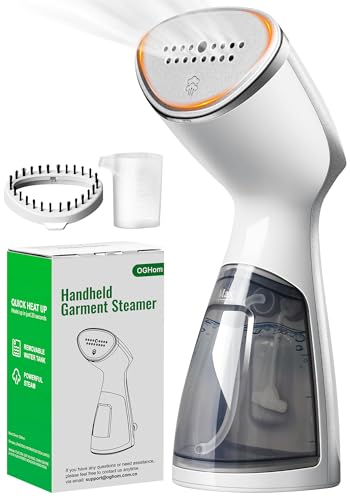
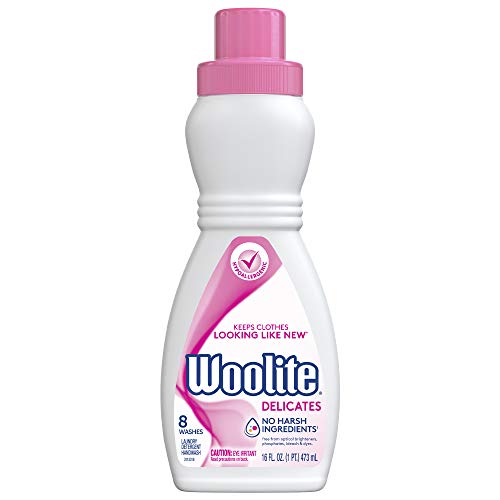
Blot any fresh spill immediately, pretreat stains with a polyester tablecloth stain remover spray 24oz fabric stain remover, wash on a gentle cycle using a color-safe liquid laundry detergent for polyester fabrics delicates, and finish by smoothing out wrinkles with a handheld fabric steamer for polyester tablecloth wrinkle removal to restore crispness.
What You’ll Need
- Polyester tablecloth stain remover spray 24oz fabric stain remover or a mild stain remover
- Color-safe liquid laundry detergent for polyester fabrics delicates
- Warm water for pretreatment and mixing solution
- Clean white cloths or paper towels for blotting
- Handheld fabric steamer for polyester tablecloth wrinkle removal
- Ironing board or flat surface for finishing (optional)

Before You Start
Before cleaning, check the care label on the tablecloth for any special instructions. Test any cleaner on a hidden corner first to avoid color bleeding. Caution: avoid chlorine bleach on most polyester blends as it can cause yellowing over time. For delicate fabrics or heavy stains, consider repeating the process rather than applying excessive force. Time estimates vary: plan about 30–60 minutes from pretreatment to dry finish.
Safety note: Always supervise steam usage and keep fabric away from direct heat sources while steaming. Use a well-ventilated area when spray treatments are applied.
Step-By-Step: How To Clean Polyester Tablecloths
- Lay the tablecloth on a clean, flat surface and blot any fresh spills with a white cloth to remove excess liquid.
- Apply the polyester tablecloth stain remover spray 24oz fabric stain remover to stained areas, following the product label directions. Gently work the solution into the fabric with a soft brush or cloth.
- Rinse the treated area with a small amount of warm water, then blot dry to lift soiled residues.
- Fill a basin or washing machine with warm water and add color-safe liquid laundry detergent for polyester fabrics delicates. Use a gentle or delicate cycle to protect fibers.
- Wash the tablecloth on a gentle cycle, allowing the detergent to evenly penetrate the fabric. Avoid hot water, which can set stains or cause shrinking in some blends.
- If machine washing isn’t convenient, hand wash in a basin with mild detergent, then rinse thoroughly and gently squeeze out excess water without twisting.
- After washing, lay the tablecloth flat to air dry or use a dryer on a low heat setting if the care label allows. Remove promptly to minimize wrinkles.
- Finish with a handheld fabric steamer for polyester tablecloth wrinkle removal to remove remaining wrinkles and restore a crisp look. Steam from a slight distance to avoid saturating the fabric.
- If wrinkles persist, place the tablecloth on a clean surface and lightly iron on a low heat setting, using a pressing cloth to protect the fibers.
- Inspect for any remaining stains. Repeat pretreatment and washing steps only on affected areas, not the entire tablecloth.
- Store the cleaned tablecloth in a cool, dry place to prevent mildew and keep it ready for the next use.
Troubleshooting
| Symptom | Likely Cause | Fix | Prevention |
|---|---|---|---|
| Stains remain after washing | Stain set or insufficient pretreatment | Repeat pretreatment, rewash on delicate cycle | Treat stains promptly; test cleaners before use |
| Fabric looks dull or stiff | Residue from detergent or hard water | Rinse thoroughly; consider a second rinse with extra water | Use a small amount of detergent; use filtered water if possible |
| Wrinkles won’t relax after steaming | Fabric dampness or deep-set wrinkles | Re-steam with a light pass, or use a low-heat iron with pressing cloth | Don’t overfill steamer; keep fabric slightly damp while steaming |
| Color transfer after washing | Bleeding dye from the tablecloth or nearby fabrics | Rinse promptly, wash separately, and use color-catching sheets if needed | Pre-wash new fabrics separately first |
Common Mistakes
- Using hot water on polyester, which can cause shrinking or color fading
- Overloading the washing machine, which reduces cleaning effectiveness
- Skipping a proper pretreatment on visible stains
- Rushing to iron without removing moisture, which can set wrinkles
Tips For Best Results
- Always blot, never rub, to avoid fiber damage and spreading stains
- Test any cleaner on a hidden seam or hem before applying broadly
- Wash polyester separately or with similar shades to prevent color transfer
- Use the lowest effective heat setting on your dryer or air-dry to extend life
- For frequent spills, keep the polyester tablecloth stain remover spray 24oz fabric stain remover on hand in a convenient location
Call A Professional
Consider professional cleaning if the tablecloth has persistent dyes, embroidery details, or delicate trims that may not tolerate home washing. Seek expert services if stains resist multiple treatments or if the fabric shows signs of wear, fraying, or dye migration after several cleanings.
FAQ
Can I machine wash polyester tablecloths on warm?
Yes, but warm water is generally safe for most polyester tablecloths; use a delicate cycle and a mild detergent.
Is it safe to use bleach on polyester tablecloths?
Avoid chlorine bleach on most polyester fabrics, as it can damage fibers and discoloration.
How do I remove ink stains from polyester?
Pre-treat with a stain remover spray designed for fabrics and blot with a clean cloth before washing.
Should I air-dry polyester tablecloths?
Air-drying minimizes heat exposure and helps preserve shape; you can finish with light steaming for wrinkles.
Buying Guide
Choosing the right polyester tablecloth involves considering size, noise-free handling, and ease of care for busy households. Look for stain resistance and colorfastness, especially for white or light-colored options. Consider a color-safe detergent compatibility and ensure your fabric steamer is suitable for delicate fabrics. Think about where you’ll use the cloth most—indoors, outdoors, or for formal events—and select a weave and finish that matches the setting. For best results, pair your tablecloth with compatible care products that align with the fabric type and staining tendencies in your home. Would you like guidance on matching tablecloths to dinnerware or event themes?
Leave a Reply