How to Clean a Polyester Backpack
Polyester backpacks are durable and versatile, but dirt, sweat, and spills can leave stains or odors over time. With a simple, methodical approach, you can restore a backpack’s appearance and extend its life without professional help. This guide provides a practical, step-by-step method using common household cleaners and a few dedicated tools.
Regular maintenance is key. Quick, spot-cleaning after use can prevent deeper staining and reduce overall cleaning time. The following steps are designed to be safe for most polyester fabrics while preserving color and fabric integrity.
Quick Answer
For most polyester bags, spot-clean first with a mild fabric cleaner, then use a soft-bristle brush and microfiber cloth to lift dirt. If stains persist, apply a polyester backpack stain remover spray, let it sit briefly, and blot away. Air dry completely before use.
What You’ll Need
- Polyester backpack stain remover spray fabric cleaner
- Soft bristle cleaning brush for backpacks polyester fabric
- Microfiber cleaning cloth for backpack polyester
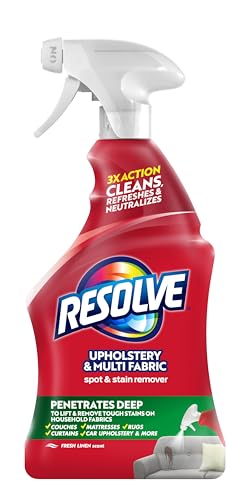


Before You Start
Check the care label for any manufacturer warnings and avoid submerging leather or metal components for extended periods. Test a small hidden area of fabric first to ensure colorfastness. Work in a shaded area or indoors to prevent quick drying that can leave watermarks. Time estimate: 30–60 minutes for a thorough clean; 10–15 minutes for spot cleaning. Important: do not use bleach or harsh solvents on polyester, as they can damage fibers and fade colors.
Step-By-Step: How To Clean A Polyester Backpack
- Empty the backpack completely, turning it inside out to check pockets for debris.
- Lightly shake or vacuum loose dirt from the exterior to minimize staining during wet cleaning.
- Mix a mild solution by applying a small amount of fabric cleaner to water, or use a ready-to-use spray designed for polyester.
- Spray onto stubborn spots and let sit for 1–2 minutes to loosen oils and grime.
- Use a soft bristle cleaning brush to gently scrub in circular motions, focusing on seams, straps, and corners where dirt collects.
- Wipe the surface with a microfiber cleaning cloth, turning pages or sections to lift lifted dirt without re-soiling the fabric.
- Rinse or wipe away remaining cleaner with a clean damp cloth, ensuring no residue remains in folds or pockets.
- Air-dry the backpack completely in a well-ventilated area, preferably hung by the straps or laid flat on a clean surface away from direct sunlight to prevent fading.
Troubleshooting
| Symptom | Likely Cause | Fix | Prevention |
|---|---|---|---|
| Stubborn stains persist after cleaning | Oil-based stains | Apply a dedicated stain remover spray for polyester and re-clean with a brush | Spot-clean promptly; avoid letting oils set |
| Fabric color fades after washing | Harsh cleaners or sun exposure | Use mild cleaners; dry in shade | Test a hidden area first; air dry away from direct sun |
| Water spots or streaks | Uneven drying | Rinse thoroughly and blot with microfiber, then air-dry evenly | Move the bag during drying to ensure uniform airflow |
| Stiff fabric after cleaning | Excess cleaner residue | Wipe with a damp cloth to remove residue | Use the minimal amount of cleaner needed |
Common Mistakes
- Using hot water or harsh solvents on polyester
- Over-wetting the backpack, particularly inside pockets
- Not testing cleaners on a hidden fabric area first
- Skipping thorough drying, which can cause odor or mildew
Tips For Best Results
- Always start with dry cleaning to remove surface dirt before introducing moisture.
- Use a microfiber cloth to lift dirt gently rather than rubbing aggressively, which can fray threads.
- Keep zippers and hardware clean with a soft brush or cloth to prevent grime buildup from transfer.
- For light odors, sprinkle a small amount of baking soda after drying and brush away before use.
- If the backpack has a removable padded shoulder strap, clean it separately according to its care label.
Call A Professional
Consider professional cleaning or restoration if the backpack has:
- Delicate decorations, embossed patterns, or leather components
- Persistent mold or mildew not removed by surface cleaning
- Electrical components or integrated hydration bladders that require specialized care
Signs to stop and seek help include persistent stains after repeated cleanings, fabric fraying, or unusual odors that return after drying. A professional can assess fabric strength and recommend safe options.
FAQ
Can I machine wash a polyester backpack?
Most polyester backpacks are not designed for machine washing due to padding and hardware, but some are machine washable on gentle cycles. Always check the care label and remove or protect straps and hardware before washing.
Is it safe to use bleach on polyester?
No. Bleach can weaken polyester fibers and alter colors. Use mild fabric cleaners only.
How long should I let the backpack dry?
Allow full air drying, typically 6–12 hours depending on humidity and airflow, until every area is completely dry.
What if I have sensitive skin and the bag is used daily?
Rinse thoroughly and consider a fragrance-free cleaner. Allow extra drying time to ensure no cleaner scent remains.
Can I use a steam cleaner on a polyester backpack?
Steam can be effective for deodorizing but may damage padding or zippers if used too close. Use with caution and follow manufacturer guidance.
How often should I clean a backpack with heavy use?
Clean every 1–3 months, or sooner if visible dirt or odors appear. Spot-clean after heavy use to reduce deep cleaning frequency.
Buying Guide
Choosing the right backpack and cleaning plan involves considering size, noise level of zips, energy efficiency of any built-in features, control options, and placement when cleaning. For cleaning-specific needs, look for a fabric cleaner spray designed for polyester, a soft-bristle brush for delicate fabric, and a microfiber cloth for lint-free finishing. Consider a bag with durable, colorfast polyester, reinforced seams, and easy-access pockets to simplify regular maintenance. When storing or drying, ensure a dry, ventilated space to prevent mildew and preserve fabric integrity. If you plan to remove stubborn stains regularly, a dedicated stain remover spray is a practical addition to your cleaning toolkit. Would you like help comparing models for specific use cases, such as travel or school?
Leave a Reply