How to Clean Plexiglass: Safe, Streak-Free Cleaning
Plexiglass offers clear visibility and durability, but it can scratch or haze if cleaned improperly. This guide provides practical, step-by-step instructions tailored for American homes and offices. By using common tools and gentle techniques, users can restore clarity without damaging the surface.
Quick Answer
Use a dedicated plexiglass cleaner spray or a mild soap solution, wipe with a soft microfiber cloth, and finish with a soft non-abrasive sponge to remove stubborn spots. Avoid ammonia-based cleaners and rough pads that can scratch the surface.
What You’ll Need
- plexiglass cleaner spray 16 oz
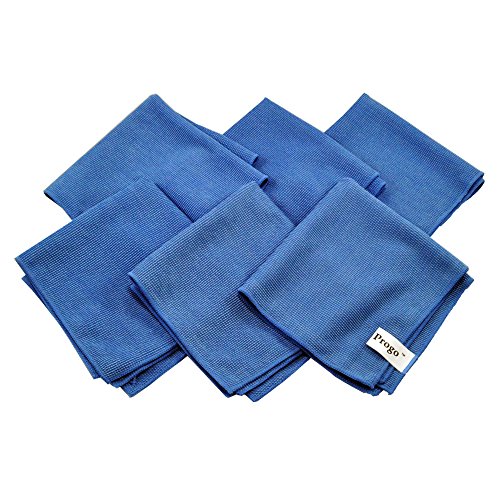
- microfiber cleaning cloth for acrylic panels
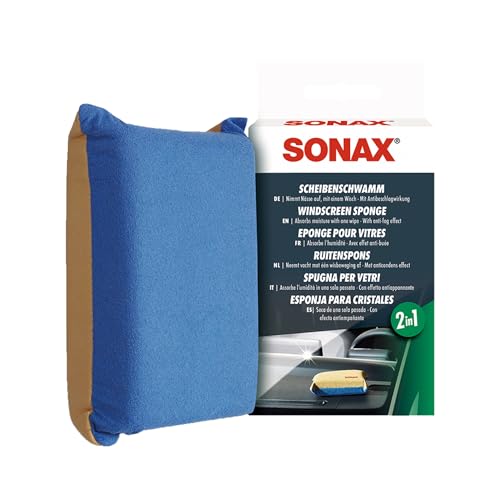
- soft non-abrasive sponge for plexiglass cleaning

Before You Start
Protect nearby surfaces with a soft cloth or painter’s tape. Test any cleaner on a hidden corner to check for dulling or streaking. Work in a shaded area to prevent rapid drying, which can leave marks. Time estimate: 15–30 minutes depending on the size of the pane. Do not use abrasive pads, ammonia cleaners, or solvent-based products as they can scratch or craze plexiglass.
Step-By-Step: How To Clean Plexiglass
- Remove loose dust with a dry microfiber cloth to prevent scratching during cleaning.
- Apply a small amount of plexiglass cleaner spray onto the cloth, not directly onto the surface.
- Wipe in a consistent, circular motion to lift dirt and oils from the surface.
- For stubborn spots, dampen the sponge with the cleaner and gently agitate the area.
- Rinse the cloth or sponge and wipe away any remaining cleaner residue to avoid streaks.
- Use a dry microfiber cloth to buff the surface to a clear, streak-free finish.
- Inspect from multiple angles to catch remaining haziness or smudges and repeat as needed.
- If haze remains, switch to a fresh cloth and cleaner, avoiding pressure that could cause micro-scratches.
- Dry edges and corners thoroughly to prevent moisture pooling and smearing.
- Store cleaning supplies out of reach of children and pets after use.
- For large installations, consider a two-person approach to evenly distribute cleaner and prevent streaking.
- Reassess the surface after 24 hours for any remaining residues and repeat if necessary.
Troubleshooting
| Symptom | Likely Cause | Fix | Prevention |
|---|---|---|---|
| Streaks after cleaning | Drying too fast or residue left | Buff with a clean microfiber cloth; reapply cleaner lightly | Clean in shaded area; use minimal cleaner |
| Cloudy look | Haze from residue or abrasive contact | Switch to fresh cloth and non-abrasive sponge | Avoid rough pads and ammonia |
| Scratches appearing | Rubbing with rough material | Stop using abrasive tools; use only soft cloths | Use protective films or coatings if applicable |
| Sticking/gloss loss after cleaning | Harsh cleaners or solvent residues | Rinse thoroughly and buff dry | Stick to manufacturer-recommended products |
Common Mistakes
- Using ammonia-based sprays on plexiglass
- Cleaning with rough sponges or scouring pads
- Letting cleaner dry on the surface before wiping
- Over-wetting edges, leading to future streaks
Sticking to gentle products and soft tools helps preserve clarity and prevents micro-scratches that impair visibility.
Tips For Best Results
- Always apply cleaner to a cloth, not directly to the plexiglass, to control application amount.
- Work in small sections for uniform results and minimal drying lines.
- Switch to a fresh microfiber cloth when it becomes damp or dirty.
- Dust regularly to reduce the need for heavy cleaning sessions.
- Consider a spray-on protector if recommended by the plexiglass manufacturer.
Call A Professional
Consult a professional if the plexiglass shows deep scratches, crazing, or yellowing that cleaning cannot resolve. Seek help for large installations or if the surface is part of a critical safety barrier where clarity is essential. Also contact a pro if the surface has chemical damage beyond standard household cleaners.
FAQ
Can I use vinegar to clean plexiglass?
Vinegar is generally safe in small amounts, but it is not as effective as dedicated plexiglass cleaners and may leave residues if not wiped off completely.
Is it safe to wipe plexiglass with paper towels?
Paper towels can leave fibers and scratches; use a clean microfiber cloth for best results.
Will soap and water work for quick cleaning?
A mild soap solution can work for light cleaning, but follow with a proper plexiglass cleaner for optimal clarity.
How can I prevent fogging on plexiglass?
Avoid cleaners that leave film; ensure surfaces are dried fully and consider anti-fog treatments if recommended by the manufacturer.
Buying Guide
When choosing cleaning products for plexiglass, consider size, compatibility with acrylic, and ease of use. Look for a dedicated plexiglass cleaner spray that is non-ammonia-based to reduce the risk of surface damage. A microfiber cleaning cloth designed for acrylic panels helps prevent micro-scratches, while a soft non-abrasive sponge aids in tackling stubborn spots without harm. Evaluate the packaging and storage convenience, especially for households with kids or pets. Finally, ensure the product is appropriate for the exact type of plexiglass you own, as some formulations are tailored for specific acrylic surfaces.
Leave a Reply