How to Clean Pleather: Easy Steps for a Fresh Look
Pleather, a versatile and budget friendly material, can look nearly new with the right cleaning routine. This guide walks American readers through practical methods to clean pleather surfaces without damage, preserving color and shine while extending the life of the material.
Quick Answer
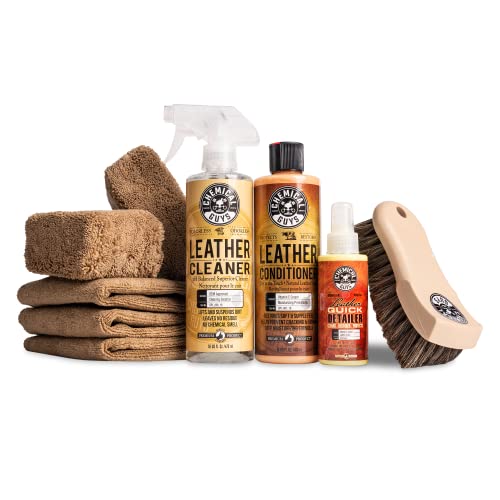
Use a dedicated pleather cleaner kit or a mild cleaner, wipe with a microfiber cloth, and condition with a vinyl leather conditioner spray. For stubborn stains, a gentle sponge and light scrubbing can help, followed by a thorough drying and a second light wipe to restore finish.
What You’ll Need
- Pleather cleaner kit or a mild soap solution
- Microfiber cloth for leather cleaning
- Vinyl leather conditioner spray or conditioner suitable for pleather
- Soft sponge or cloth for light scrubbing
- Water in a spray bottle (for rinsing, if using a soap solution)


Before You Start
Before cleaning, test any cleaner on an inconspicuous area to check for color transfer or surface dulling. Work in a well ventilated space and protect nearby fabrics from cleaner overspray. Time estimate: 15 to 30 minutes for routine cleaning; up to 1 hour for heavy soiling. Never soak pleather surfaces or use harsh solvents as they can crack the material or remove coatings.
Step-By-Step: How To Clean Pleather
- Remove loose debris by brushing the surface lightly with a clean microfiber cloth.
- Prepare your cleaning solution using a pleather cleaner kit or a mild soap diluted in water.
- Apply the cleaner to a microfiber cloth for leather cleaning rather than directly on the surface to avoid oversaturation.
- Wipe in gentle, back and forth motions along the grain to lift dirt without scuffing.
- For stubborn spots, use a soft sponge dampened with the cleaner and gently rub in small circles.
- Rinse the cloth with clean water and wipe again to remove any soapy residue.
- Dry with a clean, dry microfiber cloth to prevent water spots and keep the surface even.
- Spray a light coat of vinyl leather conditioner spray or conditioner onto a cloth and buff the surface to restore shine.
- Let the surface air dry for 24 hours in a dry, ventilated area before use or placement near direct heat sources.
- Inspect for uniform color and finish. If needed, repeat the process on heavily soiled areas.
- Regular maintenance: a quick wipe weekly helps prevent buildup and keeps pleather looking fresh.
- Store cleaning supplies out of reach of children and pets and label containers clearly to avoid mix ups.
Troubleshooting
| Symptom | Likely Cause | Fix | Prevention |
|---|---|---|---|
| Dull or streaky finish | Residue or over buffing | Buff with a clean cloth and reapply a light coat of vinyl conditioner | Use minimal product and monitor buffing pressure |
| Sticky feel after cleaning | Leftover soap or sanitizer residue | Wipe with damp cloth and dry thoroughly | Rinse thoroughly, avoid overapplication |
| Color fading after cleaning | Harsh cleaner or sun exposure | Switch to milder cleaner and minimize sun contact | Test first; shield from direct sunlight |
| Cracking after cleaning | Old pleather or over drying | Apply conditioner evenly and allow to absorb | Perform maintenance before surface shows wear |
Common Mistakes
- Using abrasive cleaners or scouring pads that scratch the surface
- Over saturating with water or cleaner, leading to stiffness or odor
- Neglecting to test products on an inconspicuous area
- Skipping conditioning after cleaning, which can dry out pleather
Tips For Best Results
- Clean small areas at a time to prevent product pooling
- Choose a dedicated pleather cleaner kit for best compatibility and finish
- Use a high quality microfiber cloth to avoid lint and scratches
- Condition after cleaning to restore flexibility and prevent cracking
- Dust regularly with a dry microfiber cloth to minimize deep cleaning needs
Call A Professional
Contact a professional if pleather shows deep cracks, large peeling areas, or color loss that cleaning cannot restore. Seek help for upholstery, car interiors, or outdoor furniture when wood or metal components are involved and cleaning methods must be adjusted to protect those materials.
FAQ
Can I use household soap to clean pleather?
A mild soap solution can work, but avoid harsh detergents that may strip coatings. Always test first.
How often should I clean pleather furniture?
Wipe weekly with a dry microfiber cloth and deep clean every 1–3 months depending on usage and exposure.
Is conditioner necessary after every clean?
Conditioning helps maintain flexibility and finish, especially for older pleather or high traffic items.
What should I do about stains that won’t come out?
For stubborn stains, focus on spot cleaning with a mild cleaner and consider professional advice for persistent marks.
Buying Guide
When selecting cleaning products for pleather, consider these factors to balance performance and safety:
- Size and packaging: Choose a kit that fits your cleaning schedule and space constraints. Smaller kits are easy to store and use for occasional touch ups.
- Noise level: Not usually a concern for cleaning pleather, but if you use powered tools or spray mechanisms, look for low noise options.
- Energy efficiency: Not applicable to manual cleaning; for spray devices, choose efficient triggers to minimize waste.
- Controls: Simple, straightforward spray bottles or wipe on formulas reduce the chance of overuse and mistakes.
- Placement and compatibility: Ensure products are safe for vinyl and synthetic leathers and suitable for the item’s placement, whether furniture, car interiors, or accessories.
Choosing the right combination of a pleather cleaner kit, microfiber cloth for leather cleaning, and vinyl leather conditioner spray can streamline upkeep. If in doubt, start with a small, inconspicuous area and expand as you gain confidence. Regular maintenance keeps pleather surfaces looking clean and supple, avoiding costly replacements.
Leave a Reply