How to Clean a Pleather Couch Safely
Pleather, a budget-friendly laminate look-alike for real leather, requires careful cleaning to maintain its appearance and longevity. This guide outlines practical steps using commonly available tools and products to keep faux leather upholstery looking fresh without causing damage.
Quick Answer
Begin with dusting and a light wipe using a microfiber cloth. Use a gentle cleaner or a faux leather upholstery cleaning kit with a soft brush or microfiber applicator, then rinse with a damp cloth. For stubborn spots, consider a portable upholstery steamer on a low setting, followed by conditioning with a spray bottle conditioner. Always test in an inconspicuous area first.
What You’ll Need
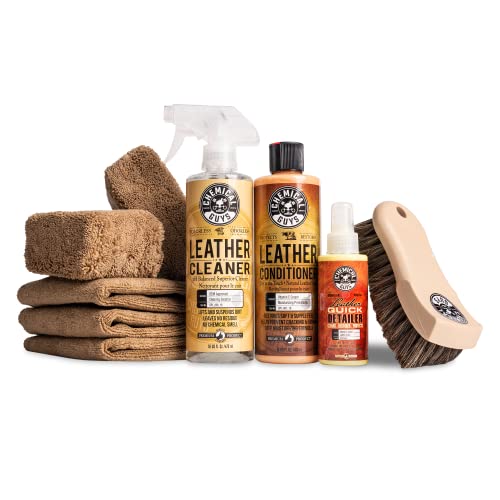
- Faux leather upholstery cleaning kit
- Microfiber cloths
- Conditioner spray bottle
- Soft brush or microfiber applicator
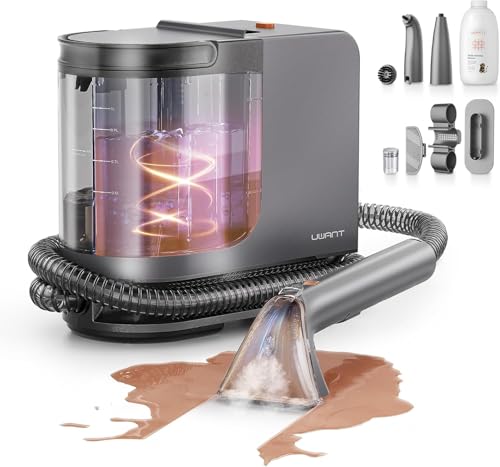
- Portable upholstery steamer (optional, for heavy soiling)

Before You Start
Clear the area and vacuum the couch to remove loose debris. Test any cleaner on a hidden spot to ensure it does not discolor the surface. Use a gentle touch and avoid harsh chemicals, solvents, or abrasive pads that can crack or fade the surface. Plan for a cleaning session that spans 20–60 minutes depending on the couch size and level of soiling.
Step-By-Step Guide: How To Clean A Pleather Couch
- Remove loose dirt with a vacuum using a soft brush attachment.
- Wipe the surface with a dry microfiber cloth to lift dust and crumbs.
- Apply a faux leather upholstery cleaning kit solution to a microfiber cloth, not directly onto the couch.
- Gently wipe in small, circular motions, focusing on stained areas without soaking the material.
- For tough stains, use a soft brush or microfiber applicator to lift residue carefully.
- Wipe away the cleaner with a damp microfiber cloth, then blot dry with a clean towel.
- If the surface is still dull, apply a light coat of conditioner spray bottle in a thin, even layer and let it absorb.
- Use a portable upholstery steamer on a low setting for steam-assisted cleaning if needed, avoiding prolonged exposure.
- Allow the couch to air-dry completely before use; keep windows open or use a fan for faster drying.
- Inspect for missed spots and repeat steps if necessary, then wipe down once more for uniform finish.
- Return cushions and fluff them to restore shape after cleaning.
Troubleshooting
| Symptom | Likely Cause | Fix | Prevention |
|---|---|---|---|
| Sticky residue after cleaning | Over-application of cleaner | Wipe with damp cloth, then dry thoroughly | Use sparing amounts and test first |
| Discoloration or fading | Harsh cleaner or sun exposure | Switch to a mild formula; shield from direct light | Avoid strong solvents; rotate furniture |
| Cracking after cleaning | Over-wetting or aged material | Dry completely; recondition with appropriate product | Follow manufacturer guidelines; don’t over-clean |
| Streaky finish | Uneven application | Reapply with light, even strokes | Use consistent pressure |
Common Mistakes
- Using regular soap or alcohol-based cleaners on pleather.
- Soaking the surface or leaving it wet for long periods.
- Scrubbing aggressively with abrasive tools.
- Neglecting to test cleaners in hidden areas.
Tips For Best Results
- Work in a well-ventilated area to speed up drying.
- Schedule routine cleanings every 2–4 months to prevent buildup.
- Post-cleaning, apply a light conditioner to restore suppleness and shine.
- Store cleaning products in a cool, dry place away from sunlight.
Call A Professional
Seek professional help if there are deep cracks, persistent stains, or if the couch is heavily soiled beyond home cleaning capabilities. Also contact a pro if you notice significant color loss, peeling, or unusual odors that persist after cleaning.
FAQ
Can I use hot water to clean pleather?
Hot water is generally safe in small amounts, but avoid soaking and always use a damp cloth rather than a soaking mop.
Is a steamer safe for pleather?
Yes, a portable upholstery steamer can be used on a low setting, but keep the nozzle at a distance and avoid prolonged heat in one spot.
Do I need conditioner after cleaning?
Conditioning helps maintain flexibility and appearance; apply as directed after cleaning and drying.
How often should I clean my faux leather couch?
Light cleaning every 4–6 weeks and a deeper clean every 3–6 months works well for most homes.
Buying Guide
Choosing the right supplies for cleaning pleather involves considering size, odor resistance, and material compatibility. Evaluate the following factors to pick the best options for your sofa and home environment:
- Size and coverage: Ensure the faux leather upholstery cleaning kit or spray bottles cover the needed surface area without requiring excessive reapplication.
- Noise and ease of use: A portable upholstery steamer should be relatively quiet and easy to maneuver around cushions and corners.
- Energy efficiency and eco-friendliness: Look for cleaners with low-VOC formulas and water-based solutions to minimize indoor pollutants.
- Controls and compatibility: Confirm cleaners are safe for pleather and do not contain solvents that could dry or crack the surface.
- Placement and accessibility: Keep cleaning supplies within reach of the living area yet out of reach of children and pets.
Considering these factors helps ensure a clean, renewed look without risking damage. If you own multiple upholstery items, a versatile kit and a portable steamer may offer the most flexibility for future cleaning tasks.
Leave a Reply