How to Clean Plastic Water Bottles for Everyday Use
Plastic water bottles are a staple in many households, dorm rooms, and office desks. Proper cleaning helps remove residual flavors, mineral buildup, and bacteria, preserving taste and extending the bottle’s life. This guide outlines practical methods using common tools and safe practices tailored to plastic bottles with narrow or wide necks.
With simple steps and the right brushes, most plastic bottles become clean and odor-free in minutes. The focus is on gentle scrubbing to avoid scratching the surface while ensuring thorough rinsing and air drying for bacteria prevention.
Quick Answer
Best practice: Use a long-handled bottle brush for narrow-neck bottles and a silicone brush for tight spaces. Rinse with warm, soapy water, scrub thoroughly, and air-dry completely to prevent odor and mold.
What You’ll Need
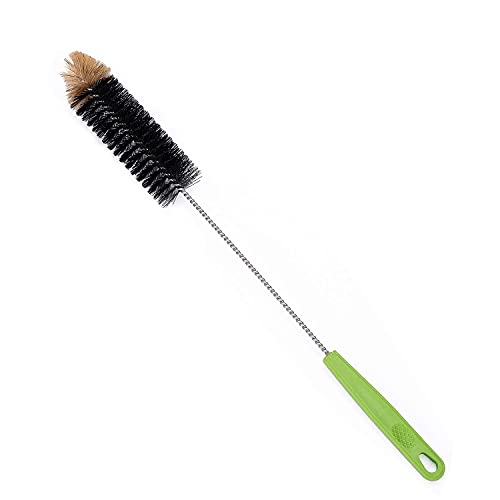
- Long-handled bottle brush for narrow-neck plastic bottles
- Stainless steel bottle cleaning brush set with slim nozzle brush
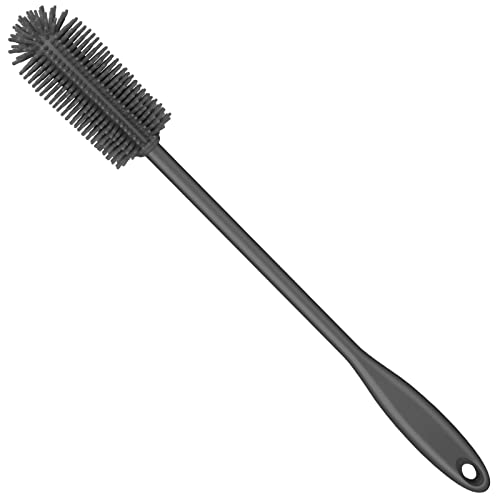
- Dishwasher-safe silicone bottle brush for tight bottle necks
- Warm water, mild dish soap
- White vinegar or baking soda (optional for odor removal)
- Drying rack or clean towel

Before You Start
Inspect the bottle for cracks or discoloration before cleaning. Never use abrasive scrubbers on plastic bottles, which can scratch the surface and harbor bacteria. If the bottle has a metal cap or plastic lid with seals, remove and rinse those parts separately. Plan for a total cycle of about 5–10 minutes per bottle, plus drying time. Important: hot water can warp certain plastics; start with warm water and avoid boiling temperatures.
Step-By-Step: How To Clean Plastic Water Bottles
- Disassemble the bottle: remove the cap, straw, and any detachable mouthpiece to expose all surfaces.
- Rinse with warm water: rinse the bottle and lid under running water to remove loose surface debris.
- Apply soap: squirt a small amount of mild dish soap into the bottle and add warm water.
- Scrub the interior: use the long-handled bottle brush for narrow-neck bottles, or the silicone brush for tight spots, to scrub the walls and bottom.
- Clean the cap and mouthpiece: use the slim nozzle brush from the stainless steel set to reach threads and crevices around the cap.
- Rinse thoroughly: rinse all parts under clean, warm water until no soap residue remains.
- Odor removal (optional): for persistent odors, fill with a solution of 1 cup white vinegar to 1 cup water; let sit 5–10 minutes, then rinse well. Alternatively, use a baking soda paste for stubborn smells.
- Sanitize (optional for extra cleanliness): run the bottle through a dishwasher if it is labeled dishwasher-safe, or boil water and swirl inside (avoid boiling plastics not rated for high heat).
- Air-dry completely: place all parts on a drying rack with ample airflow or on a clean towel until completely dry to prevent mold.
- Reassemble and store: once dry, reassemble and store with the cap loosely threaded to allow air circulation.
- Regular maintenance: clean bottles daily if used for flavored beverages; deep-clean weekly to prevent buildup.
Troubleshooting
| Symptom | Likely Cause | Fix | Prevention |
|---|---|---|---|
| Persistent odor after washing | Residual residue or odor trapped in cap threads | Soak in vinegar solution; scrub threads with slim nozzle brush | Rinse immediately after use; dry completely |
| Mold around cap or mouthpiece | Moisture retention in hard-to-reach areas | Disassemble and scrub, then sanitize; ensure thorough drying | Allow drying upright; avoid leaving closed with moisture inside |
| Scratches appearing on bottle surface | Use of abrasive tools | Switch to non-scratch brushes like silicone or nylon bristles | Inspect brushes for wear; replace worn bristles |
| Soap taste after rinse | Insufficient rinsing | Rinse twice with clean water | Rinse thoroughly after every wash |
Common Mistakes
- Using harsh or abrasive scrubbers that scratch the plastic
- Letting bottles air-dry with caps still attached; moisture promotes mold
- Using hot water on delicate plastics, risking warping
- Forgetting to clean the cap, straw, and seals separately
Tips For Best Results
- Choose a dedicated brush for each bottle to prevent cross-contamination.
- Rinse immediately after use to minimize staining from beverages like juice or sports drinks.
- Cycle Through the dishwasher only if the bottle and lid are labeled dishwasher-safe.
- Periodic deep-clean with vinegar or baking soda helps remove stubborn odors and mineral buildup.
- Store bottles with the caps off or loosely attached to promote airflow and dryness.
Call A Professional
Seek professional help if the bottle shows deep cracks, persistent mold that doesn’t respond to cleaning, or if the bottle is made from materials not intended for consumer dishwashers. If you experience chemical smells or unusual flavors that linger after cleaning, discontinue use and replace the bottle.
FAQ
Can I put plastic water bottles in the dishwasher?
Yes, but only if the bottle and its parts are labeled dishwasher-safe. Place them on the top rack to avoid heat damage.
What’s the best brush for narrow-neck bottles?
A long-handled bottle brush designed for narrow-neck plastic bottles provides the reach and bristles needed without scratching.
How do I remove hard water stains from plastic bottles?
Fill with a vinegar-water solution or a baking soda paste, let sit, then scrub and rinse thoroughly.
Is it safe to sanitize plastic bottles?
Sanitizing is generally safe when using approved methods (dishwasher, or a brief hot-water rinse). Always follow manufacturer guidance for heat exposure.
Buying Guide
When selecting cleaning tools for plastic bottles, consider size, compatibility, and ease of use. Ask these questions:
- Size and neck compatibility: Do you have both wide- and narrow-neck bottles?
- Brush type: Do you prefer a long-handled brush for reach or a silicone brush for gentle cleaning?
- Material quality: Are bristles non-scratch and durable for frequent use?
- Dishwasher compatibility: Is dishwasher-safe cleaning a priority?
- Storage and drying: Will the brush hang or fit in a kitchen cabinet with minimal moisture retention?
- Replacement parts: Can you easily replace worn brushes or nozzle tips?
- Budget and value: Is the set’s versatility worth the investment for your daily routines?
For most households, a combination of a long-handled bottle brush, a stainless steel tip-cleaning brush, and a silicone brush covers typical cleaning scenarios. Consider the drinking habits, bottle materials, and whether you frequently deal with odors or mineral buildup when choosing a set. A well-chosen kit reduces odor retention, extends bottle life, and keeps hydration routines hygienic and convenient.
Leave a Reply