How to Clean Plastic Shower Curtain
Plastic shower curtains are convenient and affordable, but they can quickly harbor soap scum, mildew, and hard water deposits. A straightforward cleaning routine keeps them looking fresh and extends their life. This guide provides practical steps and beginner-friendly tips for American households.
Quick Answer
Spot-clean regularly with a mild solution, and deep-clean every 1–3 months depending on use. For stubborn mildew, a quick soak in a disinfecting solution followed by a thorough rinse usually clears the issue. Always air-dry the curtain after cleaning to prevent moisture buildup.
What You’ll Need
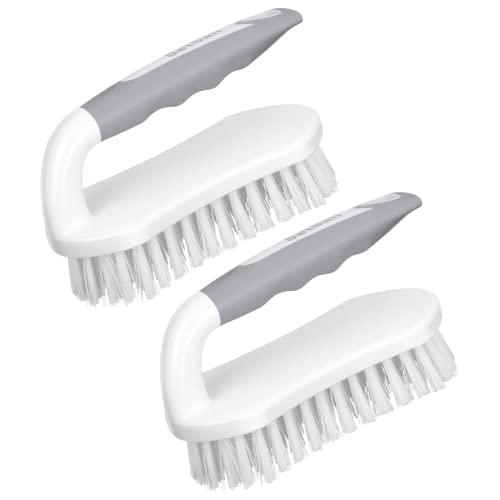
- Plastic shower curtain cleaning brush
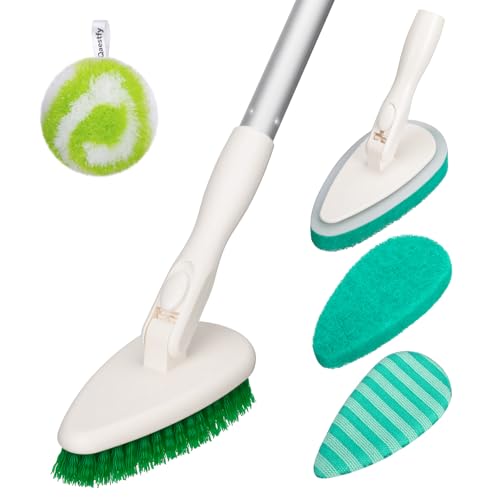
- Shower curtain mildew scrub brush microfiber
- Reusable silicone scrub brush for shower curtain
- 施工-safe gloves (optional)
- Non-abrasive cleaner or mild soap
- White vinegar or baking soda (optional)

Before You Start
Remove the curtain from the rod and take it to a well-ventilated area. Test cleaners on a small area of the curtain to avoid discoloration. Use lukewarm water rather than hot, which can warp plastic. Allow about 20–40 minutes for the cleaning process, including soaking time if needed.
Step-By-Step: How To Clean Plastic Shower Curtain
- Detach the curtain and lay it flat, removing any rings or hooks.
- Rinse off loose soap scum under a gentle stream of water to loosen deposits.
- Apply a mild cleaner or a solution of equal parts water and white vinegar to the curtain surface.
- Use a plastic shower curtain cleaning brush or a reusable silicone scrub brush for shower curtain to scrub corners and creases.
- For mildew, sprinkle baking soda on a damp brush and scrub or soak the curtain in a vinegar solution for 10–15 minutes.
- Rinse thoroughly with clean water, ensuring all cleaner residue is removed.
- Optionally, run a quick rinse cycle or machine wash if the curtain is machine-safe, following the manufacturer’s instructions.
- Hang the curtain on a rod or towel rack to air-dry completely before re-hanging.
Troubleshooting
| Symptom | Likely Cause | Fix | Prevention |
|---|---|---|---|
| Persistent mildew scent | Residual moisture | Rewash with vinegar, ensure thorough rinse | Ensure full drying between uses |
| Streaks after cleaning | Soap residue | Rinse thoroughly; consider a second rinse | Use less cleaner; rinse well |
| Discoloration | Harsh cleaners or wear | Switch to mild soap; test first | Avoid abrasive scrubs |
| Stubborn mold in folds | Deep folds trap moisture | Soak longer with vinegar or baking soda | Regular quick cleans |
Common Mistakes
- Using abrasive scrubbers that scratch the plastic surface
- Skipping the rinse and leaving cleaner residue behind
- Not fully drying the curtain after cleaning
- Using hot water, which can warp some plastics
Tips For Best Results
- Schedule a monthly quick wipe to prevent buildup.
- Combine white vinegar and baking soda for a reactive cleaning boost on tough stains.
- Keep the bathroom ventilated during cleaning to speed up drying.
- If the curtain is machine-washable, use a gentle cycle with a mild detergent and avoid chlorine bleach on colored curtains.
Call A Professional
Consider contacting a professional if the curtain shows extensive discoloration, persistent mold in hard-to-reach folds, or if it develops structural warping that affects its fit on the rod.
FAQ
Can I put a plastic shower curtain in the washing machine?
Many plastic curtains are machine-safe on a gentle cycle with mild detergent. Always check the care label and use a laundry bag to protect the curtain.
What’s the best cleaner for mildew on a plastic curtain?
A mixture of white vinegar and water works well, followed by a thorough rinse. Baking soda can help with stubborn spots.
How often should I clean my shower curtain?
Do a quick wipe every 1–2 weeks and a deeper clean every 1–3 months, depending on usage and humidity.
Should I dry the curtain after cleaning?
Yes, air-dry completely to prevent new mildew growth. Do not leave it folded or crumpled while wet.
Buying Guide
When choosing a replacement or upgrading, consider size compatibility with the shower rod, the thickness and color of the plastic, and whether the curtain is machine-washable. Look for reinforced grommets or hooks for durability, and assess odor resistance and mildew resistance claims. Noise level and placement are less critical for curtains, but ensure the material suits your bathroom climate. If you prefer less cleaning effort, consider curtains with built-in antimicrobial coatings or those designed for easy machine washing. Compare multiple options for fit, care requirements, and overall maintenance needs.
Leave a Reply