How to Clean Plastic Boat Windows: A Practical Guide
Plastic boat windows and windshields can stay clear and distortion-free with the right approach. This guide outlines a practical, step-by-step method using common cleaning tools and specialty kits designed for marine surfaces. Clear windows improve visibility, safety, and the overall experience on the water.
Whether you own a rigid boat with polycarbonate panes or acrylic windows, regular cleaning reduces buildup from salt, sun, and environmental contaminants. The steps below balance gentle cleaning with effective removal of stubborn grime, using industry-approved products and equipment.
Quick Answer
Key steps at a glance: rinse with fresh water, apply a marine-safe cleaner, gently polish with a plastic-safe rubbing compound if needed, and finish with a microfiber dry wipe. For stubborn cloudiness, use a dedicated polishing kit designed for polycarbonate or acrylic surfaces.
What You’ll Need
Gather these tools and materials before you begin. The list includes practical options from the provided product keywords to ensure you have proper, surface-safe gear on hand.
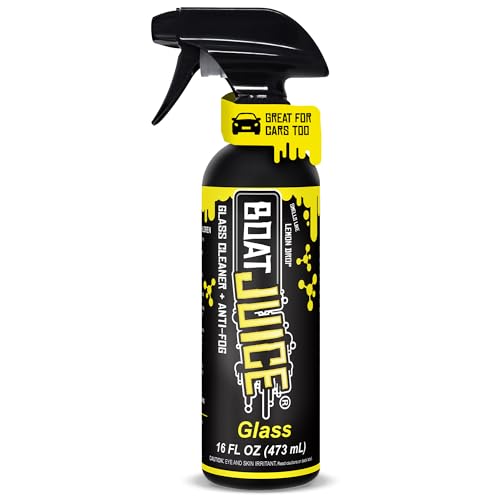
- Marine acrylic boat window cleaner kit
- Polycarbonate boat window polishing kit with rubbing compound
- Boat window squeegee and microfiber cleaning kit


Before You Start
Prep work helps prevent scratches and damage. Inspect the windows for deep scratches or cracks before cleaning, and avoid cleaning in direct sunlight to prevent rapid drying that can leave streaks. Use a soft cloth or microfiber to prevent micro-scratches. Have a fresh water rinse basin ready to remove cleaning residues. Plan for a 20–40 minute session for a typical boat window cleaning job.
Step-By-Step: How To Clean Plastic Boat Windows
- Rinse the window with clean fresh water to remove surface salt and loose debris.
- Apply a marine acrylic boat window cleaner kit or a polycarbonate-safe cleaner to a damp microfiber cloth.
- Wipe in smooth, vertical or horizontal strokes, taking care not to press hard enough to cause micro-scratches.
- If cloudiness persists, switch to the polycarbonate boat window polishing kit with rubbing compound and apply per package instructions.
- Buff the surface with a clean, dry microfiber cloth until the window becomes clear and free of streaks.
- Use the boat window squeegee and microfiber cleaning kit to remove any remaining moisture and to improve visibility along the edges.
- Inspect for residual haze or staining; repeat gentle cleaning on stubborn areas only, avoiding abrasive motions.
- Finish with a light wipe to ensure a uniform, glass-like finish across the entire window.
- Store kits in a dry location to extend their effectiveness for future use.
- Regular upkeep after saltwater trips will reduce buildup and maintain clarity longer.
- For deeper cleaning on polycarbonate panes, avoid ammonia-based cleaners which can damage the plastic over time.
- Schedule periodic maintenance, especially after long seasons of use or exposure to harsh sun.
Troubleshooting
| Symptom | Likely Cause | Fix | Prevention |
|---|---|---|---|
| Streaks after cleaning | Drying tails from towel or improper wiping | Use a fresh microfiber and wipe until dry | Wipe in consistent directions; avoid circular motions |
| Cloudy or hazy look | Residual cleaner or oxidation on surface | Re-wipe with clean cloth; use polishing kit intended for plastic | Rinse thoroughly between steps |
| Scratches appear after polishing | Aggressive rubbing or using abrasive compounds | Switch to milder polish and apply lighter pressure | Test on inconspicuous area first |
| Stains from salt or minerals | Hard water deposits | Soak with cleaner; re-clean and rinse well | Rinse with fresh water after use |
Common Mistakes
- Using household window cleaners that contain ammonia or bleach on polycarbonate or acrylic surfaces
- Scrubbing with rough or dirty cloths that scratch the surface
- Cleaning in direct sunlight or on hot surfaces, causing quick drying and streaks
- Skipping a final rinse, leaving residues that attract dust
Tips For Best Results
- Work in a shaded area or on overcast days to reduce streaking.
- Use two microfiber cloths: one for application, one for drying to avoid re-depositing grime.
- Follow the manufacturer’s instructions on any polishing kit for best results and safety notes.
- Test cleaners on a small, inconspicuous area before broader application.
- Store cleaning products in a cool, dry place away from direct sun exposure.
Call A Professional
Consider professional help if the windows show deep scratches, crazing, or cracks that affect structural integrity or if you experience persistent hazing despite cleaning. Also consult a pro if the surface is not responding to any polishing or cleaning sequence after repeated attempts.
FAQ
What is the best cleaner for acrylic boat windows?
Use a marine acrylic boat window cleaner kit designed specifically for acrylic surfaces to prevent damage and clouding.
Can I use polycarbonate polishing on acrylic windows?
Prefer a polishing kit formulated for acrylic to avoid incompatibilities that can cause haze or micro-scratches.
How often should I clean boat windows?
Clean windows after saltwater trips, with a light wipe-down weekly during active seasons to maintain clarity.
Is special equipment required for stubborn stains?
Yes, a dedicated boat window squeegee and microfiber kit helps manage stubborn residues without scratching.
Buying Guide
Choosing the right tools for cleaning plastic boat windows involves evaluating size, material, and cleaning goals. Key buying factors include size considerations to fit window dimensions, noise level if you choose electric tools, energy efficiency of any powered devices, intuitive controls, and placement on the boat for easy reach. When comparing options, consider whether you need a dedicated marine acrylic window cleaner kit for routine maintenance, a polycarbonate boat window polishing kit for occasional deep cleaning, or a combined boating cleaning kit that includes a boat window squeegee and microfiber cloths for quick, on-deck touchups. Look for kits with non-abrasive compounds, clear instructions, and packaging designed for marine environments.
Leave a Reply