How to Clean Urine From a Couch
Cleanliness and odor control are essential for preserving upholstery and keeping living spaces comfortable. This guide walks through practical steps to remove urine odors and stains from a couch using common household tools and specialty cleaners designed for upholstery. The focus is on effective methods, safety, and long-lasting results for American homes.
Quick Answer
Act quickly, blot thoroughly to remove excess moisture, apply an enzyme-based cleaner designed for urine on upholstery, and follow with a deodorizing rinse. For persistent odors, a portable upholstery steam cleaner can help lift remaining soils, while repeated cleaning may be necessary for heavy soiling.
What You’ll Need
- Enzyme cleaner for urine on upholstery 32 oz
- Pet urine remover couch upholstery enzyme cleaner 24 oz
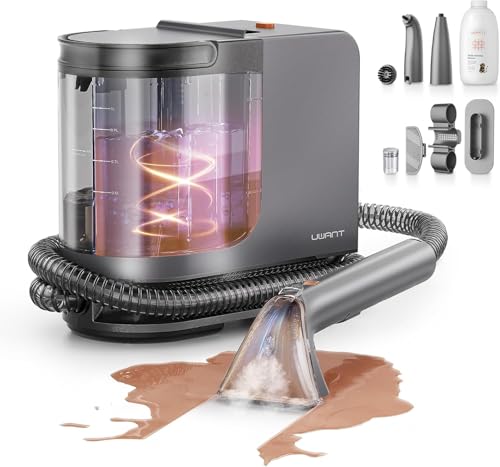
- Portable upholstery steam cleaner for pet stains
- White cloths or paper towels
- Soft-bristled brush
- Water in a spray bottle
- Protective gloves (optional)
- Fan or open window for ventilation


Before You Start
Read the product labels for any cleaning instructions or fabric care codes on the sofa. Perform a spot test in an inconspicuous area first to ensure no discoloration or fabric damage occurs. If the stain is old or deeply set, plan for multiple cleaning sessions. Allow the couch to dry completely between steps and keep pets and kids away from the treated area until fully dry. Do not use heat sources to dry the area, as heat can set odors and stains.
Estimated time: 1–3 hours for the initial cleaning, plus additional drying time. If multiple cushions are affected, allocate extra time and consider enlisting help to speed the process.
Step-By-Step: How To Clean Urine From A Couch
- Contain and blot: Place towels over the spill and press firmly to absorb as much liquid as possible without rubbing, which can push urine deeper into the fibers.
- Neutralize with cold water: Lightly mist the area with cold water to dilute remaining urine, then blot again with a clean cloth. Avoid saturating the fabric.
- Apply enzyme cleaner: Generously apply an enzyme cleaner for urine on upholstery per label directions. Enzymes break down organic compounds that cause odor and stains.
- Work from outside in: Gently scrub the stained area with a soft-bristled brush to lift soil while keeping moisture to a minimum.
- Let it dwell: Allow the cleaner to sit for the recommended dwell time to maximize enzymatic action. Do not let it dry completely; re-wet if necessary.
- Blot and rinse: Blot with clean towels to remove cleaning solution. If the fabric permits, rinse lightly with a small amount of cold water and blot again.
- Repeat if needed: For stubborn stains, repeat the enzyme cleaner treatment once more before proceeding.
- Dry thoroughly: Use fans or airflow to dry the area. If possible, place the cushions in a well-ventilated area or outside in shade to speed drying.
- Steam for odor lift (optional): If odor persists, use a portable upholstery steam cleaner following the device’s instructions to lift remaining residues. Avoid over-wetting.
- Final deodorizing rinse: After drying, lightly mist with clean water and blot again to remove any residual cleaners, then allow full dryness.
- Reassess and repeat: Once dry, check for lingering odor or staining. If necessary, repeat the cleaning steps or consider a second enzyme treatment.
Troubleshooting
| Symptom | Likely Cause | Fix | Prevention |
|---|---|---|---|
| Persistent odor after cleaning | Enzymes did not fully break down all compounds | Apply enzyme cleaner again and let dwell longer; consider a second cycle | Address spills immediately; use enzyme cleaners on fresh stains |
| Color fading or staining | Over-wetting or harsh cleaners | Rinse lightly and blot; avoid saturating fabric | Test first; apply cleaner conservatively on delicate fabrics |
| Stiff or crunchy fabric after drying | Excess residue from cleaners | Blot with damp cloth to remove residue; air dry | Use minimal cleaning solution and thorough blotting |
| Stains reappear after drying | Soil trapped deeper in cushion layers | Consider a portable upholstery steam clean or professional extraction | Address spills promptly and use enzyme cleaners for ongoing protection |
Common Mistakes
- Waiting too long to treat urine stains, which allows odors to set
- Rubbing aggressively, which can push urine deeper into fibers
- Using chlorine bleach or ammonia-based cleaners on fabric
- Over-wetting the upholstery, leading to mold or mildew during drying
- Skipping a test spot and color-check before full application
Tips For Best Results
- Act quickly after a spill to minimize odor and staining
- Choose enzyme cleaners specifically labeled for urine on upholstery
- Blot rather than rub; gentle lifting helps preserve fabric integrity
- Ventilate the area to accelerate drying and reduce odor risk
- For heavy soiling, a portable upholstery steam cleaner can complement enzyme cleaning
- Document and monitor affected cushions to catch recurrent issues early
Call A Professional
Seek professional help if there is:
- Persistent urine odor after multiple cleanings
- Watery or heavily soiled cushions that remain damp for long periods
- Delicate or valuable fabrics with unclear care codes
- Recent dye transfer or color bleed during cleaning
Professionals have industrial-grade extraction equipment and specialized deodorizing treatments that can restore upholstery without risking damage.
FAQ
Can I use household cleaners on my couch to remove urine?
Plain household cleaners can leave residue or fail to break down organic compounds. Use enzyme cleaners designed for urine on upholstery for best results.
Will enzyme cleaners remove all odors?
Enzyme cleaners target organic compounds causing odors, but severe or old odors may require multiple applications or supplemental deodorizing steps.
Is it safe to use a steam cleaner after enzyme treatment?
Yes, if the steam cleaner is designed for upholstery and used according to the manufacturer’s instructions. Avoid over-wetting and allow thorough drying.
How long does it take for the couch to dry completely?
Drying times vary with fabric and room conditions, but most couches dry within 4–12 hours with good airflow.
Should I replace cushions after urine exposure?
Replacement is rarely necessary. Thorough cleaning, deodorizing, and professional evaluation can often restore the fabric and cushion performance.
Can pet urine affect leather couches?
Leather requires special cleaners and conditioning. Use products appropriate for leather and consult upholstery care guides to avoid damage.
Buying Guide
When selecting products to treat urine on upholstery, consider these factors to ensure effective cleaning and safe use. Size, compatibility with fabric, and odor-control performance are key, but other aspects influence outcomes as well.
Key Buying Factors
- Size and coverage: Choose an enzyme cleaner with a bottle size appropriate for your typical stain volume (32 oz or 24 oz options are common). A larger bottle can be more economical for frequent incidents.
- Fabric compatibility: Confirm the cleaner is labeled for upholstery and safe for your sofa’s fabric type. Delicate fabrics may require milder formulations or spot testing.
- Odor elimination: Look for enzymatic action specifically designed to neutralize urine odors, not just mask them.
- Ease of use: Spray bottles, short dwell times, and clear instructions save time and effort during cleanups.
- Additional tools: A portable upholstery steam cleaner can complement enzymatic cleaners for stubborn stains or odors, particularly on pet-affected areas.
- Drying assistance: Products that minimize residue and drying time reduce the risk of mold or mildew after cleaning.
- Packaging and safety: Look for child- and pet-safe formulas, with clear safety guidelines and protective gear recommendations.
- Availability: Availability of related products, such as a companion steam cleaner, ensures you can complete the cleaning workflow without sourcing mismatched items.
Choosing the right combination of enzyme cleaners and optional steam cleaning equipment can streamline the process and improve results. Always follow label directions, perform a spot test, and prioritize thorough drying to prevent recurring odors.
Leave a Reply