How to Clean a Peva Shower Curtain
A Peva shower curtain is a budget-friendly, vinyl option that resists mold and mildew when kept clean. Regular maintenance helps preserve its clarity and extends its life. This guide walks through practical steps, using common bathroom tools to remove soap scum, minerals, and buildup without harsh chemicals.
Following a simple routine can prevent lingering odors and reduce the need for heavy scrubbing. The methods below emphasize safe handling, effective cleaning, and quick maintenance that fits a typical American bathroom schedule.
Quick Answer
Best overall approach: use a gentle cleaning method with a soft brush or microfiber mitt, rinse thoroughly, and dry with a squeegee to minimize re-soiling. For stubborn stains, apply a targeted spray, re-wipe, and rinse again. Regular weekly cleaning is enough for most households.
What You’ll Need
The following tools are commonly used to clean a Peva shower curtain. Gather these before you start to streamline the process.
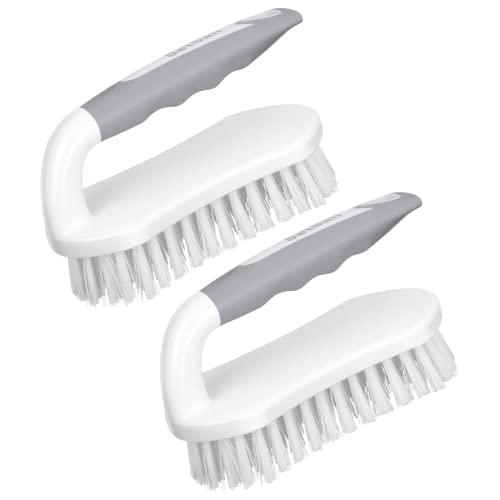
- nylon scrub brush for bathroom shower curtain cleaning
- microfiber cleaning mitt for shower curtain
- bathroom squeegee for shower stalls


Before You Start
Prepare the space by clearing the shower area and laying down a towel to catch drips. Ventilate the bathroom to help dry fast, especially if using cleaning solutions. Avoid abrasive pads or steel wool, which can scratch Peva. Estimated time for routine cleaning: 10–15 minutes; larger stains may require extra attention.
Step-By-Step: How To Clean A Peva Shower Curtain
- Remove the curtain from its hooks and lay it flat on a clean surface or in a basin.
- Rinse with warm water to loosen soap scum and mineral deposits.
- Mix a mild cleaning solution (a few drops of dish soap in warm water) or prepare a diluted white vinegar spray for mineral buildup.
- Dip the nylon scrub brush for bathroom shower curtain cleaning in the solution and gently scrub any stubborn areas, paying attention to the bottom edge.
- Use the microfiber cleaning mitt for shower curtain for light wiping across the curtain to avoid harsh scrubbing.
- If mildew spots persist, apply the vinegar solution directly to the spots, wait 5–10 minutes, then scrub and rinse.
- Rinse the curtain thoroughly with clean water to remove all soap and vinegar residues.
- Hang the curtain back on the hooks and use the bathroom squeegee for shower stalls to remove excess water, especially from folds and seams.
- Allow the curtain to air-dry fully before closing the shower area to prevent new mold growth.
- For frequent cleanings, consider a quick wipe-down after each shower to keep buildup manageable.
- Periodically inspect for wear or tears; replace the curtain if it shows signs of thinning or holes.
- Store cleaning tools in a dry spot so they dry quickly, reducing the chance of mildew growth on tools themselves.
Troubleshooting
| Symptom | Likely Cause | Fix | Prevention |
|---|---|---|---|
| Streaks or soap film | Residual soap not rinsed | Rinse thoroughly, then wipe with microfiber mitt | Rinse after each shower, reduce soap amount |
| Musty odor | Mildew growth on curtain | Spot-clean with vinegar, then wash if possible | Dry curtain fully after use |
| Stains that resist cleaning | Mineral deposits or mold | Apply vinegar-soaked cloth, wait, scrub, rinse | Regular maintenance, keep bathroom ventilated |
| Curtain becomes stiff | Heavy soap or mineral buildup | Soak curtain in warm water with mild detergent, scrub | Periodic cleaning to prevent buildup |
Common Mistakes
- Using harsh abrasives that scratch Peva
- Letting mildew go untreated for too long
- Neglecting to dry the curtain after cleaning
- Relying on a single cleaning method and skipping spot cleaning
Addressing these mistakes helps keep the curtain clear and extends its lifespan.
Tips For Best Results
- Clean on a schedule rather than waiting for heavy buildup to appear.
- Use a dedicated cleaning mitt and brush to avoid transferring grime back onto the curtain.
- Rinse well and dry promptly to prevent mold spores from taking hold.
- Consider lightweight cleaning sprays between deep cleans for quick maintenance.
Call A Professional
If the curtain shows persistent mold that resists cleaning, or if the vinyl is severely cracked or torn, consult a professional or consider replacement. Seek professional help sooner if anyone in the home has chemical sensitivities, as cleaning products can affect air quality during the process.
FAQ
Can I wash a Peva shower curtain in a washing machine?
Some Peva curtains are machine washable on a gentle cycle with mild detergent; always check manufacturer care instructions first.
What cleaning agents are safe for Peva curtains?
A gentle dish soap solution or diluted white vinegar is typically safe and effective for most Peva curtains.
How often should I clean my Peva curtain?
Light cleaning weekly and a deeper clean every 1–2 months works well for many households.
Is it necessary to dry the curtain completely after cleaning?
Yes. Fully dry curtains prevent mildew and extend the life of the curtain.
Buying Guide
When shopping for cleaning tools and supplies for a Peva shower curtain, consider size, material compatibility, noise, and storage. A few key factors help ensure a good fit for most bathrooms:
- <bSize and fit: Choose tools that are comfortable to hold and appropriate for the shower space. Compact brushes and mitts work well for standard stalls.
- <bNoise level: Hand tools are typically quiet; powered cleaning devices may add noise but can speed up stubborn spots.
- <bEnergy efficiency: Manual cleaning uses no electricity; if selecting powered options, look for energy-efficient models with automatic shutoff.
- <bControls: Simple, intuitive handles and grips reduce fatigue during cleaning sessions.
- <bPlacement: Store tools within easy reach near the shower to encourage regular maintenance and quick touch-ups.
In practice, a basic kit with a nylon scrub brush, microfiber mitt, and a squeegee covers most cleaning needs. For tougher stains, a mild cleaning solution or vinegar works well. If space is limited, prioritize a compact squeegee and a mitt that can be stored in a bath c.orner. Ready-to-use kits can simplify shopping and help ensure you have the essential items on hand.
Leave a Reply