How to Clean Pet Turf: A Practical Guide
Pet turf offers a low-maintenance solution for homes with dogs and cats, but routine cleaning is essential to prevent odors and extend the life of artificial grass. This guide lays out a straightforward, step-by-step approach to keeping pet turf fresh, hygienic, and visually appealing in American yards and patios.
Whether you’re dealing with routine maintenance or a major pet mess, the methods below are designed to be safe for most home installations and effective across common outdoor climates.
Quick Answer
Quick method: for light cleaning, use a turf rake to loosen debris, then brush with an artificial grass cleaning brush for pet urine. For tougher stains or odor, a pressure washer on a low setting can be used, followed by rinsing and drying. Regular weekly maintenance reduces buildup and keeps turf looking like new.
The Right Tools And Materials
Having the right tools makes cleaning pet turf easier and more effective. Gather these essentials before you start:
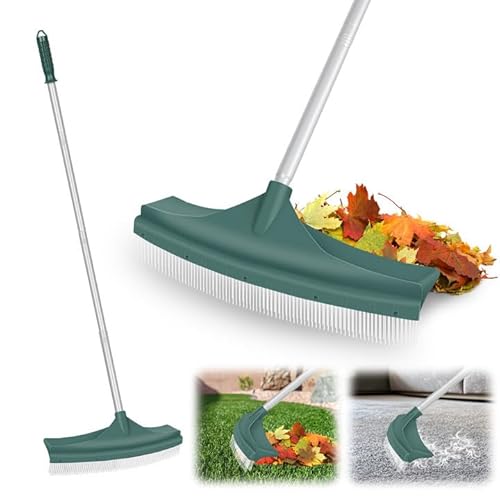
- Turf rake for artificial grass pet cleanup — to lift debris and redistribute granules
- Artificial grass cleaning brush for pet urine — to scrub spots and break up residues
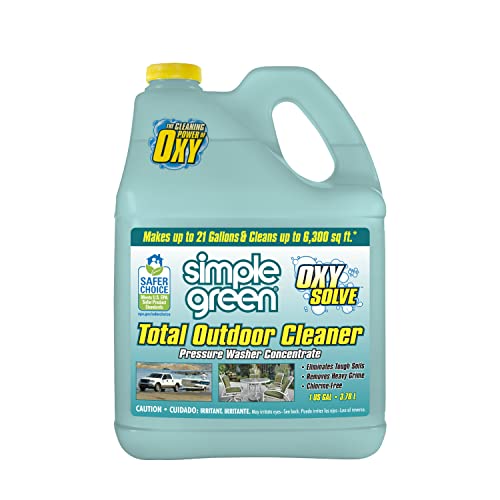
- Pressure washer for artificial turf cleaning — for deeper cleaning and sanitizing (on a gentle setting)
Before You Start
Plan a cleaning session on a dry day to allow surfaces to dry quickly. Clear any large debris like sticks or toys, and inspect the edges of the turf for seams or loose areas. Safety first: wear gloves, eye protection if you’re using a sprayer or pressure washer, and avoid using harsh chemical cleaners that could degrade the backing. Estimate cleaning time: 30–60 minutes for typical backyards, more for larger areas or heavy pet mess.
Step-By-Step: How To Clean Pet Turf
- Remove solid waste with a plastic bag or poop scoop. Dispose of waste in the trash and rinse the area with water to reduce residues.
- Rake the turf to lift flattened fibers and redistribute the grass blades for even appearance.
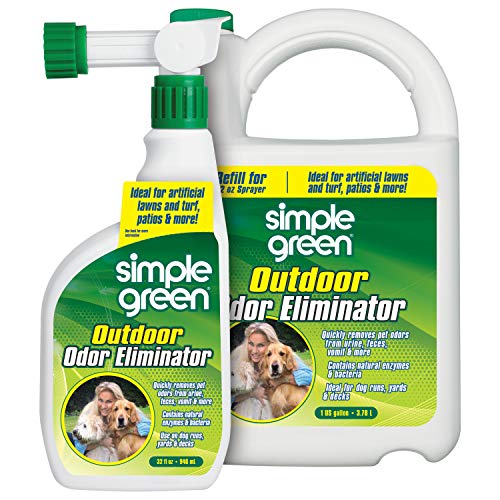
- Apply a targeted cleaner or mild soap solution to urine spots, then scrub with the artificial grass cleaning brush for pet urine to break down odors.
- Rinse the area thoroughly with water to remove suds and loosened dirt. A gentle spray helps avoid driving debris into the backing.
- Use a pressure washer on a low, wide spray setting to clean the surface if odors persist or stains are stubborn. Keep the nozzle at a safe distance to prevent damage to the turf.
- Work in sections, starting at the far end and moving toward the exit to avoid walking on freshly cleaned areas.
- Let the turf air dry completely. Openings and edges should dry within a few hours on a sunny day; avoid heavy foot traffic during this period.
- Optional deodorizing step: lightly mist with a microbiome-safe cleaner designed for artificial grass, then rinse again and dry.
Troubleshooting
| Symptom | Likely Cause | Fix | Prevention |
|---|---|---|---|
| Persistent odor after cleaning | Undissolved urine or organic buildup | Re-clean with brush and rinse; consider a deodorizing treatment | Regular weekly cleaning; prompt cleanup of solid waste |
| Stiff or matted fibers | Heavy foot traffic or compacted thatch | Rake and brush to lift blades; avoid using harsh bristles | Routine brushing and proper infill maintenance if applicable |
| Water drains slowly | Poor drainage or debris clogging | Clear debris from drainage channels; rinse with water | Keep edges clear of leaves and debris, inspect installation periodically |
| Bleached or faded color | Sun exposure or harsh cleaners | Switch to milder cleaners; rinse thoroughly | Use UV-safe cleaning products and shade if possible |
Common Mistakes
- Using high-concentration chemicals that damage the backing or fibers
- Relying solely on water without brushing for pet urine residues
- Scrubbing too aggressively, which can fray fibers
- Ignoring edge seams during cleaning, leading to uneven wear
Tips For Best Results
- Brush regularly with the turf rake and cleaning brush to maintain fiber alignment and clean appearance
- Spot-clean urine promptly to minimize odor buildup and staining
- Use a low-pressure setting on a pressure washer to avoid damage
- Choose a gentle, pH-balanced cleaner suitable for artificial grass
- Inspect the area for pet access zones and consider extra cleaning after heavy use
Call A Professional
Consider consulting a professional if you notice persistent odors, damaged seams, or significant backing wear. Stop and seek help if cleaning requires heavy equipment near electrical outlets or if discoloration occurs after cleaning attempts. Major installation issues, persistent mold, or irrigation-related concerns warrant expert assessment.
FAQ
Can I use a regular garden hose to clean pet turf?
A garden hose is suitable for rinsing and light cleaning, but a soft brush helps remove residues more effectively.
Is cleaning pet turf safe for pets?
Yes, provided you use pet-safe cleaners and rinse thoroughly to remove any residues before pets re-enter the area.
How often should I clean artificial grass for pets?
Light maintenance weekly and a deeper clean every 4–6 weeks works well for most yards with pets.
What cleaning products should I avoid?
Avoid solvent-based cleaners, concentrated bleach, and acidic products that can degrade fibers or backing.
Can I use baking soda for odors?
Yes, lightly sprinkling baking soda and brushing in can help neutralize odors, followed by a rinse.
Do I need to follow up with infill after cleaning?
Not typically for most synthetic grasses, but if your system uses infill, check manufacturer guidance on restoring it after cleaning.
Buying Guide
Choosing the right equipment for pet turf depends on yard size, climate, and staining patterns. Consider the following factors to ensure a practical fit:
- <bSize and layout: Larger areas benefit from a pressure washer on a gentle setting, while smaller spaces may rely on manual brushing and rinsing.
- <bNoise level: If you live in shared walls or quiet neighborhoods, select low-noise equipment and shorter cleaning sessions.
- <bEnergy efficiency: Opt for efficient steam or water-based cleaning methods to minimize energy use and water waste.
- <bControls: Look for simple spray nozzles and adjustable pressure settings for versatility across mess types.
- <bPlacement: Store equipment undercover and away from direct sunlight to extend life and prevent deterioration.
For a balanced approach, combine a dedicated turf rake for regular upkeep with a specialized brush for pet urine and a pressure washer for periodic deep cleaning. This combination scales with yard size and pet activity, offering dependable results without specialized training. If you’re unsure about compatibility with your specific turf product, consult the manufacturer’s guidelines before using any cleaners or power equipment.
Leave a Reply