How to Clean Pet Dander
Pet dander can linger in the air and settle on surfaces, triggering allergies and respiratory irritation for some people. With the right approach and tools, you can reduce dander buildup in your home and keep living areas more comfortable for both pets and humans.
This guide focuses on practical, American-friendly methods that work for common living spaces, especially rooms where pets spend time. By combining air filtration, targeted cleaning, and routine maintenance, you can achieve noticeable improvements in air quality and surface cleanliness.
Quick Answer
Run a HEPA air purifier in high-traffic pet areas, thoroughly vacuum floors and upholstery, wipe surfaces with a microfiber cloth, and use an extendable duster to reach corners. Finish by using a lint roller on furniture and fabrics to remove surface hairs and dander.
What You’ll Need
- HEPA air purifier for pet dander living room for continuous filtration
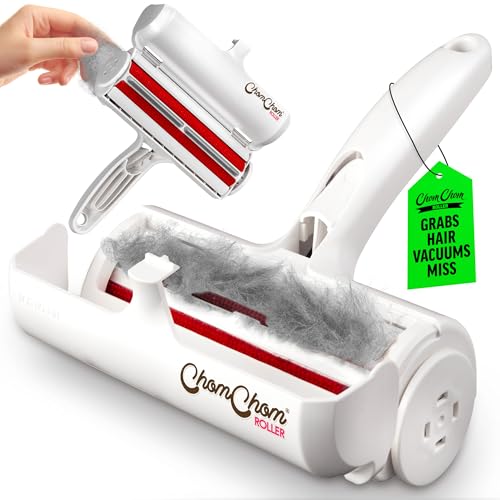
- lint roller for pet hair on furniture upholstery for quick surface removal
- extendable microfiber duster for pet dander cleaning to reach high and tight spaces


Before You Start
Plan a cleaning session when you can ventilate the area and reduce pet activity temporarily. If anyone in the home has severe allergies, consider increasing filtration coverage and cleaning more frequently. Safety first: unplug electrical devices, wear a dust mask if needed, and keep pets away from freshly cleaned areas until surfaces dry.
Time estimates vary by room size, but a typical living room cleaning takes 30–60 minutes. For larger homes, factor in a few more cycles to cover all common areas and bedrooms.
Step-By-Step: How To Clean Pet Dander
- Position a HEPA air purifier for pet dander living room in the main living area to continuously trap airborne dander.
- Vacuum all carpeted areas with a vacuum that has a sealed system and at least a high-efficiency filtration bag or canister to prevent re-release.
- Use a vacuum attachment to reach under furniture and along baseboards, where pet dander often hides.
- Wipe hard surfaces, consoles, and shelves with a damp microfiber cloth to capture dust and dander without dispersing it into the air.
- Run light, slow passes with an extendable microfiber duster for pet dander cleaning to reach ceiling corners, picture ledges, and window frames.
- Use a lint roller for pet hair on furniture upholstery on fabric couches, chairs, and cushions to lift surface hairs and dander.
- Wash removable textiles (cushion covers, throws, pet beds) according to care labels in warm water to remove embedded dander.
- Open windows or run the purifier on a higher setting for 20–30 minutes after cleaning to flush out residual particles.
Troubleshooting
| Symptom | Likely Cause | Fix | Prevention |
|---|---|---|---|
| Air still feels stuffy after cleaning | Filtration insufficient for room size | Upgrade to a higher-capacity HEPA purifier or add a second unit | Place purifier near primary pet zones and keep doors open when possible |
| Visible dander on surfaces after cleaning | Dry cleaning spread particles | Use damp microfiber cloths and avoid sweeping dry | Dust before vacuuming and use microfiber fabrics |
| Fabrics still shedding hair | Underlying fur buildup in textiles | Wash textiles more frequently or use protective covers | Establish weekly cleaning for soft furnishings |
| Allergies worsen after cleaning | Insufficient filtration or exposure during cleaning | Wear a mask and ensure purifier is on during cleaning | Clean with doors/windows open when feasible |
Common Mistakes
- Using dry dusting that stirs up dander instead of damp wiping
- Neglecting fabric and upholstered surfaces which harbor dander
- Overlooking air filtration during peak pet activity times
- Relying on a single cleaning method for all surfaces
Inconsistent cleaning can allow dander to rebloom. A mixed approach reduces particles more effectively than any single step.
Tips For Best Results
- Run the HEPA purifier continuously in high-traffic rooms, especially during early mornings or late evenings when pets are indoors most.
- Schedule a weekly cleaning routine that alternates between vacuuming, surface wiping, and fabric care.
- Keep pet bedding and favorite lounging spots clean and washed regularly to minimize dander generation.
- Choose washable covers for sofas and chairs to simplify ongoing maintenance.
- Store cleaning tools in a designated closet to reduce cross-contamination between rooms.
Call A Professional
Consult a professional if you notice persistent respiratory symptoms, severe allergic reactions, or if you suspect mold or unseen air quality issues beyond routine pet dander. Consider a professional deep-clean service for upholstery and carpets every 6–12 months, or if you are unable to improve air quality with standard cleaning.
FAQ
How often should I clean for pet dander?
Aim for weekly cleaning of surfaces, fabrics, and textiles, with continuous air filtration in main living areas.
Will a lint roller remove dander from walls?
Lint rollers are most effective on fabrics and upholstery; they are less effective on walls but can help in quick touch-ups on vertical fabrics and drapes.
Can air purifiers cure pet allergies?
Air purifiers help reduce airborne dander but are not a cure for allergies; combine with regular cleaning and ventilation.
What rooms should I prioritize?
Prioritize the living room, bedrooms, and any areas where pets spend the most time.
Do washable covers matter for dander control?
Yes, washable covers trap and remove dander more efficiently than disposable fabrics, especially with hot-water cycles.
Should I vacuum before or after wiping surfaces?
Vacuum before wiping to remove loose dander, then wipe surfaces to capture remaining dust.
Is there a seasonal cleaning cycle for pet dander?
Yes, increase cleaning frequency in spring and winter when indoor air may stagnate and pet shedding patterns change.
Buying Guide
Choosing the right tools to manage pet dander depends on room size, fabric types, and household allergies. Consider these factors to balance effectiveness with convenience:
- <bSize and capacity: Select a HEPA air purifier for pet dander living room sized for the room; larger spaces may require multiple units or higher CADR ratings.
- <bNoise level: Look for quiet operation settings for bedrooms and study areas to avoid disruption.
- <bEnergy efficiency: Choose energy-efficient models to run continuously without high electricity costs.
- <bControls and indicators: Favor purifiers with intuitive controls, real-time air quality indicators, and filter life alerts.
- <bPlacement: Position purifiers away from walls, with unobstructed airflow; place near pet zones and high-traffic areas for maximum effect.
- <bTools synergy: Use a lint roller for pet hair on furniture upholstery for quick surface cleaning, and an extendable microfiber duster for pet dander cleaning for hard-to-reach spots.
- <bMaintenance: Check filter replacement intervals and wash or replace fabrics as recommended to maintain performance.
To optimize results, consider pairing a dedicated air purifier with routine cleaning tools and a simple weekly schedule. Are you ready to implement a cleaner, fresher space for you and your pets? Start by aligning your purifier placement with your pet’s favorite rooms and establishing a regular cleaning rhythm.
Leave a Reply