How to Clean Pavers Safely and Effectively
Paving stones and concrete patios enhance curb appeal, but keeping them clean requires the right approach. This guide outlines a practical, step-by-step method using common pressure-washer tools to restore color and curb appeal without damaging the surface. Readers will learn prep, technique, and maintenance tips to extend the life of outdoor pavers.
Whether restoring a weathered patio or maintaining a high-traffic walkway, the goal is a clean, even appearance with minimal residue. The following steps enable effective cleaning while reducing risk to joints and edges.
Quick Answer
Use a pressure washer with a surface cleaner for even, efficient cleaning of pavers. Attach a 12 inch surface cleaner attachment for concrete patios pressure washer for best results, supplemented by a stiff nylon patio cleaning brush for pressure washer for stubborn spots. Pair with a pressure washer 2000-3000 psi patio cleaner surface fan nozzle for focused action, and rinse with caution to avoid pushing water into joints.
What You’ll Need
- Pressure washer 2000-3000 psi patio cleaner surface fan nozzle
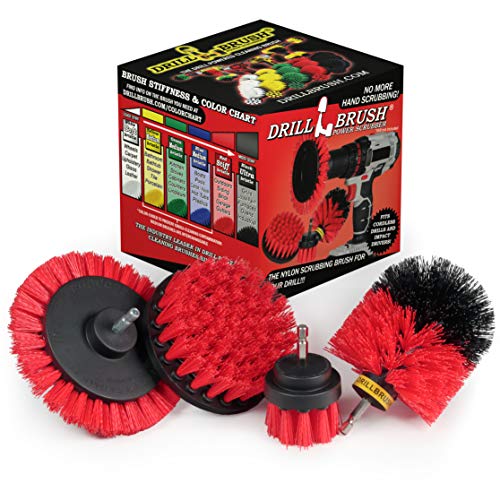
- Stiff nylon patio cleaning brush for pressure washer
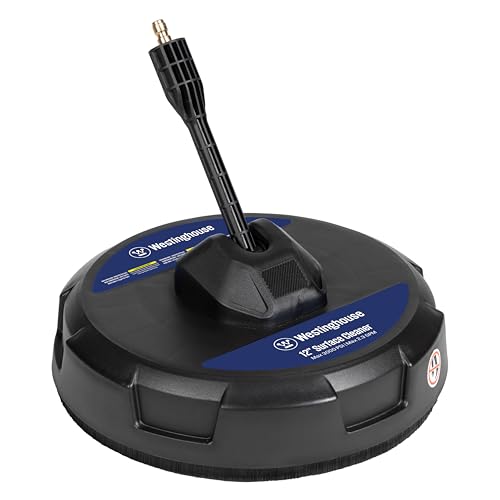
- 12 inch surface cleaner attachment for concrete patios pressure washer
<li*Note: Other tools and safety gear may be used as needed *

Before You Start
Prepare the area by removing furniture, planters, and debris. Clear weeds from joints and ensure drainage to prevent pooling. Inspect pavers for loose stones or crumbling edges and repair as needed. Safety concerns are critical; wear protective eyewear, closed-toe shoes, and gloves. Start with a low pressure setting and test on a small area to avoid etching or lifting sand from the joints. Allow the surface to dry completely before applying any joint sand or sealant. Expect cleaning to take 30–90 minutes depending on area size and soil complexity.
Critical cautions: high pressure can erode joints, loosen paver edges, or push dirt into gaps. Never point the nozzle at yourself or others, and avoid using very high pressure on soft or delicate paver surfaces. Work in a steady, overlapping pattern to minimize streaks and ensure even cleaning.
Step-By-Step: How To Clean Pavers
- Set up the pressure washer 2000-3000 psi patio cleaner surface fan nozzle and attach the 12 inch surface cleaner attachment for concrete patios pressure washer for wide, even coverage.
- Attach the stiff nylon patio cleaning brush for pressure washer to reach recessed areas and stubborn grime between joints.
- Rinse the area with plain water to loosen loose dirt and debris from the surface before applying any cleaning solution.
- Apply a mild, non-bleach cleaner suitable for pavers, working in small sections. Allow it to dwell for a few minutes according to the product instructions.
- Using the surface cleaner, work in wide, even strokes, overlapping each pass to avoid streaks. Use a perpendicular pass for edges to ensure full coverage.
- Switch to the stiff nylon brush for tight joints and stubborn spots. Scrub gently to avoid dislodging joint sand and to prevent paver scratches.
- Rinse thoroughly with the surface cleaner from a higher angle, ensuring runoff does not pool in one place or wash away joint sand.
- Inspect the surface for remaining buildup; repeat cleaning on any areas that need it. Allow the area to dry completely before proceeding to sealing or sand replacement if applicable.
- If sand joints require refreshment, re-sand once the surface is dry and compacted, following manufacturer guidance for the sand type used in the joints.
- Edge the cleaning path to avoid cutting into lawn edges or planters, and store equipment securely after use.
Troubleshooting
| Symptom | Likely Cause | Fix | Prevention |
|---|---|---|---|
| Pavers look etched or discolored | Excessive pressure or improper cleaner | Reduce pressure, test cleaner on a small area, switch to a gentler solution | Use proper cleaners and avoid high-heat tips |
| Gaps in joints widening | Joint sand being washed out | Pause, reduce pressure, and re-seal or re-sand after surface dries | Keep pressure away from joints during cleaning |
| Water not draining well | Improper slope or clogged drains | Clear debris and verify drainage slope | Address drainage before cleaning |
| Streaks or uneven texture | Uneven passes or inconsistent dwell time | Maintain a steady pace and overlapping strokes | Plan the cleaning path in a grid or loop pattern |
Common Mistakes
- Using excessive pressure on delicate or soft pavers, which can etch or chip edges.
- Directing spray into joints, washing out sand and weakening the substrate.
- Neglecting drainage and allowing water to pool between pavers, promoting gray staining or mold formation.
- Skipping a test patch, leading to unexpected surface damage or color changes.
Tips For Best Results
- Work during cooler parts of the day to prevent rapid evaporation of cleaning solutions and to reduce surface stress.
- Pre-wet the area to minimize penetration of cleaning agents and to protect seedless growth in joints.
- Use a surface cleaner whenever possible to minimize streaks and achieve uniform height and texture.
- Follow up with a sealant or joint sand, if recommended for your paver type, to protect against staining and weathering.
- Test all products on a small, inconspicuous patch before wide-scale application.
Call A Professional
Consider a professional if there is extensive staining, weed growth between joints, or if pavers are loose or sunken. Seek a pro when you notice cracked or shifting pavers, or if drainage issues persist after cleaning. If any power tool feels unstable, or if electrical components are exposed near water, contact a licensed technician immediately.
FAQ
Is a pressure washer necessary to clean pavers?
Not always, but a pressure washer speeds up the process and provides deeper cleaning, especially with a surface cleaner attachment.
Can I clean pavers with just water?
Water can remove loose dirt, but a mild cleaner improves stain removal and color restoration.
What type of cleaner should I use for pavers?
Choose a cleaner formulated for patios and bricks; avoid bleach unless the manufacturer approves it for your paver type.
How often should pavers be cleaned?
Clean annually or as needed to prevent staining from mold, mildew, and algae, especially in shaded or damp areas.
Buying Guide
When selecting equipment and supplies for cleaning pavers, consider size, noise, energy use, and ease of use. A sturdy 12 inch surface cleaner attachment for concrete patios pressure washer offers better coverage for large areas, while a handheld option may suit tight spaces. Look for a pressure washer 2000-3000 psi patio cleaner surface fan nozzle that provides consistent performance without excessive vibration. Noise levels matter for residential use; choose models with reasonable decibel ratings and integrated safety features. Energy efficiency is tied to motor design and pump quality, so prioritize equipment with durable construction and reliable warranty. For placement, ensure storage space is dry and protected from the elements, with easy access to hoses and attachments. Consider maintenance needs, such as brush replacements or nozzle kits, to keep cleaning effective over time. Finally, review compatibility with your paver type and joint sand to avoid unintended damage or discoloration.
Leave a Reply