How to Clean a Parka Jacket Safely and Effectively
Par a jacket, especially a heavy parka, requires careful cleaning to maintain its fabric, insulation, and waterproofing. This guide explains practical steps that work for most parka fabrics while avoiding damage. Readers will learn at-a-glance methods, essential tools, and common pitfalls to keep a parka looking fresh.
Whether dealing with muddy cuffs, pet hair, or light wrinkles, the following approach prioritizes fabric care, stain treatment, and proper drying. The goal is to restore cleanliness without compromising warmth or longevity.
Quick Answer
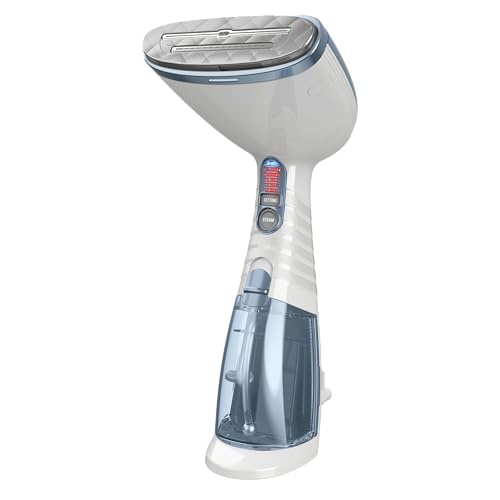
Best quick method: use a garment steamer for coats parka fabric steamer to refresh surfaces, remove wrinkles, and lift light dirt. For debris and hair, run a lint roller heavy duty for jackets coats over fabric, then spot-clean with a gentle detergent solution. When washing, place the parka in a dedicated washing bag for coats and jackets to protect seams, zippers, and insulation.
What You’ll Need
- Garment steamer for coats parka fabric steamer
- Lint roller heavy duty for jackets coats
- Washing bag for coats and jackets


Before You Start
Inspect the parka for repairs, loose threads, and damaged zippers. Check care labels for fabric type and washing instructions. Spot test cleaning solutions on an inconspicuous area. Pretreat stains with a mild detergent and water or a specialized stain remover designed for outerwear. Plan for air drying away from direct heat sources. Time estimate:Cleaning prep 10–15 minutes; washing and drying 1–2 hours depending on the system used. Safety note: avoid high heat on insulated or water-repellent fabrics to prevent coating degradation or insulation clumping.
Step-By-Step: How To Clean A Parka Jacket
- Remove loose debris with a lint roller heavy duty for jackets coats to lift hair, dust, and popcorn-crust from cuffs and seams.
- Lightly steam the surface with a garment steamer for coats parka fabric steamer to relax wrinkles and loosen surface dirt.
- Spot-clean stains using a mild detergent solution. Dab with a clean cloth; avoid aggressive scrubbing that can damage fabric.
- Prepare a gentle wash routine if the care label allows machine washing. Use cold water and a mild detergent designed for outerwear.
- Place the parka in a washing bag for coats and jackets to protect zippers, pockets, and insulation from agitation.
- Run a short, gentle cycle, then remove promptly to prevent mildew. If a machine wash isn’t advised, opt for hand washing in cool water with mild detergent.
- Rinse thoroughly and remove excess water by gentle pressing—don’t wring the fabric to avoid distortion of insulation.
- Air dry on a hanger in a well-ventilated area away from direct sunlight. Flip occasionally to ensure even drying and prevent musty odor.
- Reapply a light application of waterproofing spray if the parka has a protective coating or is prone to water penetration after drying.
- Re-steam lightly to restore smoothness and reduce any remaining wrinkles once completely dry.
- Inspect for any remaining stains or odor and repeat targeted steps as needed.
Troubleshooting
| Symptom | Likely Cause | Fix | Prevention |
|---|---|---|---|
| Stains persist after washing | Stain is set or tough | Apply stain remover before washing; rewash on gentle cycle | Treat stains promptly; test in hidden area first |
| Water repellent coating wears off | Frequent washing or improper drying | Reapply waterproofing spray after complete dry | Follow care label and air dry fully before applying repellant |
| Insulation clumps inside | High heat or rough agitation | Air-dry completely and fluff with gentle hand motion | Use washing bag; avoid hot water |
| Wrinkles persist after air drying | Fabric calibration or over-drying | Steam lightly and smooth by hand | Dry on a hanger; avoid compact drying |
Common Mistakes
- Using hot water or high heat on insulated fabrics
- Wringing or twisting the parka to remove water
- Ignoring care labels, leading to fabric shrinkage or coating damage
- Over-reliance on heavy-duty detergents that dull waterproof finishes
Tips For Best Results
- Test any cleaner on a hidden area first to ensure colorfastness.
- Clean small sections at a time to prevent water from soaking seams unevenly.
- Use a dedicated washing bag to protect zippers and puff insulation during machine washes.
- Store the parka in a breathable garment bag to minimize dust while preserving shape.
- Periodically refresh with light steam to maintain crisp appearance between washes.
Call A Professional
Consider professional cleaning if the parka has delicate or specialty fabrics, complex waterproof coatings, or stubborn odors that DIY methods don’t resolve. Seek help promptly if there are water stains, color bleed, or visible fabric damage after attempting cleaning steps.
FAQ
Can I machine wash any parka?
Most parkas labeled as machine washable can be washed on gentle cycles with cold water, but always follow the care label for fabric specifics.
Should I use fabric softener on a parka?
Avoid fabric softeners; they can reduce water repellency and affect insulation.
Is it okay to tumble dry a parka?
Air drying is generally preferred. If the care label allows, use a low heat setting and check insulation fluffs periodically.
How often should I clean a parka?
Clean when visibly dirty or after strong odors. Routine light care between washes helps preserve coating and fibers.
What about down-filled parkas?
Down parkas often benefit from specialized down-safe cleaners and low-heat drying with clean tennis balls or dryer balls to re-fluff the insulation.
Can I wash faux-fur hoods?
Follow the hood’s care label; many faux-fur trims can be surface-cleaned or hand-washed separately.
Is waterproofing necessary after washing?
Yes, reapplying a waterproofing spray can help restore water repellency after cleaning.
Buying Guide
When selecting a parka or upgrading cleaning routines, consider size and fit, noise level of any built-in features, energy efficiency of heat sources, controls for washing and drying, and placement for drying or storage. For tools, look for a lightweight garment steamer with adjustable steam settings, a heavy-duty lint roller that won’t snag fabric, and a washable washing bag designed for coats and jackets. Compare models by durability, fabric compatibility, and ease of use. Accessibility of care instructions and the availability of replacement parts or cleaning kits also matter for long-term maintenance. Is a compact setup with a dedicated space for washing and drying enough, or do you need a more robust system for frequent cleaning? A thoughtful combination of tools and procedures yields consistent, professional-like upkeep for parkas in American homes.
Leave a Reply