How to Clean a Panini Grill Safely and Effectively
Maintaining a clean panini grill helps preserve flavor, extend the appliance’s life, and prevent cross-flavors between sandwiches. This guide covers practical, step-by-step methods using common grilling tools and safe cleaning products.
Readers will learn how to remove stuck-on grease, sanitize surfaces, and prevent rust without damaging nonstick coatings or grill plates. The approach emphasizes simple routines that fit a busy kitchen and regular maintenance.
Quick Answer
Begin by unplugging and cooling the grill, then remove excess crumbs. Wipe with a damp cloth, scrub with a stainless steel grill brush with scraper for panini press, apply panini press cleaning spray non-abrasive, then wipe clean. Finish by drying and conditioning the plates with a microfiber towel or light oil if recommended by the manufacturer.
What You’ll Need
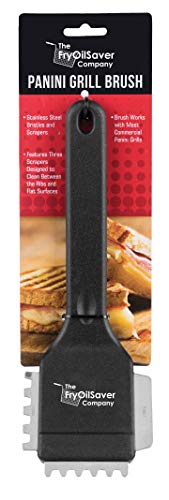
- Stainless steel grill brush with scraper for panini press
- Panini press cleaning spray non-abrasive
- Panini grill cleaning kit brush scraper microfiber towel
- Lint-free microfiber towels or soft cloths
- Warm water and mild dish soap
- Non-abrasive sponge or cloth
- Optional: disposable gloves to protect hands
- Optional: mineral oil or light cooking oil (if recommended by manufacturer)


Before You Start
Unplug the grill and allow it to cool completely before cleaning. Consult the user manual for any model-specific instructions, especially regarding removable plates and dishwasher-safe parts. Use non-abrasive cleaners on nonstick surfaces to avoid scratches. If the grill is hot while cleaning, use caution to prevent burns. For indoor use, ensure proper ventilation when cleaning with sprays.
Time estimate: 15 to 30 minutes for a thorough clean after a few uses; heavier cleanings may take longer. Keep the area dry to prevent slip hazards and rust development on exposed metal parts.
Step-By-Step: How To Clean A Panini Grill
- Unplug and cool: Disconnect the power, wait until the plates are cool to the touch, then remove any removable plates if your model allows.
- Remove loose debris: Use a brush or cloth to sweep away crumbs and loose residue from the top and bottom plates.
- Wipe with damp cloth: Dampen a microfiber towel with warm water and wipe the surface to lift grease. Avoid saturating the electrical components.
- Scrub stuck-on grease: Apply a small amount of panini press cleaning spray non-abrasive to a soft cloth or sponge and gently scrub the grill plates. Focus on grooves and ridges where oil collects.
- Clean the drip tray and exterior: Wipe the drip tray, housing, and hinges with a damp cloth. Use a light soap solution if needed, then rinse and dry.
- Scrub with dedicated tools: If residue persists, use the stainless steel grill brush with scraper for panini press to carefully loosen baked-on grease while avoiding plate scratches.
- Rinse and dry: Wipe away any soap residues with a clean damp cloth, then dry thoroughly with a microfiber towel to prevent water spots and rust.
- Reassemble and condition: If your plates are removable, reattach them once completely dry. Lightly wipe the surface with panini grill cleaning kit brush scraper microfiber towel or a neutral oil if recommended by the manufacturer to maintain coating integrity.
Troubleshooting
| Symptom | Likely Cause | Fix | Prevention |
|---|---|---|---|
| Grease won’t lift | Grease baked into grooves | Apply cleaner and scrub with a non-abrasive brush | Wipe down after every use to prevent buildup |
| Streaks or residue after wipe | Soap residue or water spots | Rinse with a clean damp cloth and dry completely | Use minimal cleaner and thoroughly dry |
| Scratches on nonstick plates | Using abrasive tools | Switch to non-abrasive tools and gentle cleaners | Follow manufacturer’s cleaning guidelines |
| Rust forming on metal parts | Moisture exposure or exposed metal | Dry thoroughly; treat with light oil if approved | Keep surfaces dry and store properly |
Common Mistakes To Avoid
- Using abrasive scrubbers on nonstick plates, which can damage coatings
- Pouring water into electrical components or onto hot surfaces
- Neglecting the drip tray, which can accumulate grease and bacteria
- Over-wetting cleaning cloths, leading to moisture in controls
Tips For Best Results
- Clean after every few uses to prevent heavy buildup and simplify maintenance.
- Keep a dedicated cleaning kit handy near the grill for quick touch-ups.
- Use a microfiber towel for a lint-free finish and to avoid scratching surfaces.
- Check the manufacturer’s guidance on oiling or conditioning plates if applicable.
- Ventilate the area when using spray cleaners to minimize fumes and odors.
Call A Professional
Stop and call a professional if you notice persistent rust, damaged wiring, unusual smells, or if the grill fails to heat evenly after cleaning. Do not attempt internal repairs yourself, as this can pose safety and fire risks.
FAQ
Is it safe to use a spray cleaner on panini grill plates?
Yes, but use a non-abrasive spray and apply it to a cloth, not directly on the plates to avoid overspray into electrical areas.
Can I put removable plates in a dishwasher?
Many models have dishwasher-safe plates, but always verify the manual before cleaning to prevent damage.
How often should I deep-clean a panini grill?
Deep-clean every few weeks for heavy use; lighter maintenance after each use can reduce buildup.
What should I do if the grill has a persistent burnt odor?
Repeat a thorough wipe-down and inspect for residue; if odors persist, consult the manual or a professional.
Buying Guide
When selecting a panini grill, consider size, seating capacity, and plate type. Larger models with double plates offer faster throughput, while compact units suit small kitchens. Noise level is typically minimal, but fans and cooling systems can add to noise in some models. Look for energy-efficient features and adjustable heat control for different foods. Controls should be intuitive, with clear indicators for power and temperature. Consider plate material and nonstick coatings for durability, and check whether removable plates are dishwasher-safe for easier cleaning. Placement matters; ensure adequate clearance around the grill and a stable, heat-resistant surface to prevent heat transfer to cabinets or countertops.
What matters most is how the grill fits your cooking style: frequent paninis, countertop space, and ease of maintenance. A well-chosen model paired with a proper cleaning routine helps maintain flavor integrity and extends the appliance’s life. If you frequently prepare multi-sandwich meals, a larger model with a robust cleaning kit can simplify maintenance and keep your kitchen efficient. For users prioritizing fast cleanup, look for nonstick plates, a simple spray cleaner option, and a dedicated cleaning brush set to streamline the process.
Leave a Reply