How to Clean Pacifier Clips Safely and Effectively
Pacifier clips help keep little soothers within reach and off the floor, but they can harbor germs if not cleaned properly. Regular cleaning extends the life of the clip and keeps your baby’s items hygienic. This guide explains practical methods, safety considerations, and best practices for American households.
By following simple steps and using the right tools, caregivers can ensure pacifier clips stay clean without damaging fabrics or finishes. The tips below emphasize gentle cleaning, routine maintenance, and quick-quality checks to prevent issues before they arise.
Quick Answer
Clean pacifier clips weekly or after any spit-up, drool, or diaper leaks. Hand wash small plastic or silicone components with warm soapy water, let air dry, and wipe fabric clips with a mild sanitizer wipe. If in doubt, use a pacifier clip cleaning brush to reach tiny nooks.
What You’ll Need
Gather these items to clean most pacifier clips effectively:
- Pacifier clip cleaning brush
- Warm water and mild dish soap
- Soft cloth or towel for drying
- Baby bottle nipple brush set
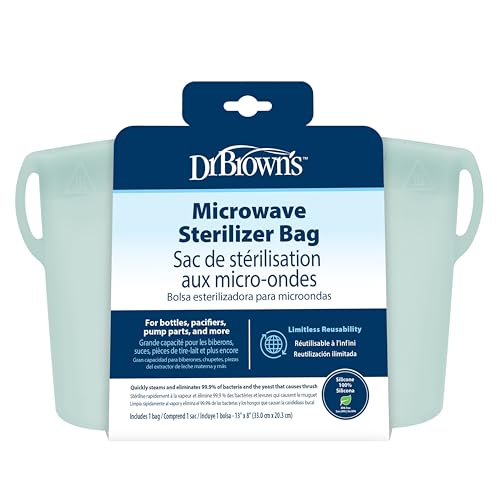
- Pacifier sterilizer bag


Before You Start
Before cleaning begins, inspect the clip for wear, loose stitching, or broken hardware. Damaged clips should be retired to avoid choking risks. Work in a clean, sink-side area away from clutter. If you are cleaning during an illness season, use a sterilization method that reaches hidden crevices. Never submerge wooden beads or hardware that detaches from the fabric unless the manufacturer’s care instructions allow it. Time estimate: 5–10 minutes for routine cleaning, up to 15 minutes if extra sanitizing is needed.
Step-By-Step: How To Clean Pacifier Clips
- Detatch any removable parts and remove the clip from the pacifier if possible.
- Rinse the clip under warm running water to remove surface saliva and debris.
- Fill a basin with warm water and a few drops of mild dish soap.
- Gently scrub the plastic or silicone components with the pacifier clip cleaning brush to reach crevices.
- Use the baby bottle nipple brush set to clean tight corners or threads around the clip, if needed.
- Rinse thoroughly to remove all soap residues.
- Pat dry with a clean cloth and lay flat to air-dry completely before reassembling.
- For added sanitation, place washable parts in a pacifier sterilizer bag and run through a gentle cycle or sun-dry if allowed by the maker’s instructions.
Troubleshooting
| Symptom | Likely Cause | Fix | Prevention |
|---|---|---|---|
| Residual soap smell | Soap not fully rinsed | Rinse again, run under clear water, air-dry | Rinse immediately after washing |
| Clips snag on clothing | Rough edges or worn finish | Inspect and replace if edges are sharp or frayed | Regularly inspect clips |
| Mold in crevices | Incorrect drying or moisture trapped | Thorough dry; consider sterilizer bag for extra drying | Dry thoroughly after each cleaning |
| Fabric fading or fraying | Harsh cleaners or harsh scrubbing | Switch to mild soap and softer brush | Gentle cleaning routine |
Common Mistakes
- Using hot water that can warp plastics or damage adhesives
- Submerging metal components if not rated for soaking
- Forgetting to air-dry completely, which invites mold growth
- Cleaning with abrasive sponges that scratch surfaces
Tips For Best Results
- Establish a weekly cleaning routine to prevent buildup and odors.
- Label or separate cloth components to retain color and softness.
- Utilize a pacifier sterilizer bag for an extra layer of sanitation on the go.
- Choose a gentle, fragrance-free soap to avoid skin irritation.
Call A Professional
Contact a pediatrician or a baby用品 safety specialist if you notice any of these signs: persistent foul odor after cleaning, skin irritation around the baby’s mouth after use, or visible damage such as cracking, loose stitching, or broken hardware. Do not use damaged clips, and replace them promptly to maintain safety.
FAQ
How often should pacifier clips be cleaned?
Clean pacifier clips at least weekly, or after any illness, drool, or diaper leaks to maintain hygiene.
Can I sterilize pacifier clips in a microwave?
Only if the manufacturer confirms microwave sterilization is safe for the specific materials; otherwise, use a sterilizer bag or boiling water as directed.
Are pacifier clips dishwasher safe?
Most clips are not dishwasher safe; hand washing is recommended unless the maker specifies dishwasher compatibility.
What should I do if a clip’s fabric frays?
Discontinue use and replace the clip to prevent detachment or choking hazards.
Is it safe to reuse cloth clip components after sterilization?
Yes, if the fabric remains intact and the clip passes a visual safety check; ensure complete drying after sterilization.
Buying Guide
When selecting pacifier clips, consider size, material, and safety features. For example, choose clips with secure, toxin-free plastics and smooth finishes that resist snagging fabrics. Noise or color preferences may influence choice, but durability and ease of cleaning should stay top priority. Look for clips that can withstand regular washing, including exposure to steam or UV light if you plan to sun-dry. The following factors help you compare options effectively:
- Size and weight: Ensure the clip is comfortable for your baby and not easy to pull off or chew on.
- Material: Favor BPA-free plastics, silicone, or wood with safe coatings; avoid sharp edges.
- Cleaning compatibility: Check if compatible with washing, sterilizing bags, or mild soaps.
- Air-drying requirements: Prefer clips that dry quickly and fully to prevent mold.
- Safety certifications: Look for non-toxic finishes and secure attachment methods.
- Placement considerations: Clip length should avoid dragging on the ground; attach to clothing away from baby’s face.
Variant options like the pacifier clip cleaning brush, pacifier sterilizer bag, and baby bottle nipple brush set each offer practical support. Do you need a compact kit for travel or a full home setup? Consider your routine and storage space when choosing. Regular cleaning routines keep clips sanitary and extend their life, reducing waste and ensuring baby safety.
Leave a Reply