Restore Oxidized Chrome: Practical Cleaning Guide
Oxidized chrome can lose its shine and develop dull or stained patches. With the right steps and tools, homeowners can restore a bright, reflective finish without harsh scrubbing. This guide covers safe methods, common pitfalls, and targeted products to renew chrome surfaces around the home.
By following a structured approach, you can remove rust and oxidation effectively while protecting the underlying metal. The process emphasizes gentle abrasion, proper polishing compounds, and clean, microfiber cloths to minimize scratches and maximize luster.
Quick Answer
Quick method: Start with a cleaning polish kit, use the buffing pads to apply a metal polish, and finish with a microfiber cloth for a mirror-like shine. For stubborn spots, a chrome rust remover kit can lift corrosion before polishing.
What You’ll Need
- chrome rust remover kit with polishing compound and microfiber cloth
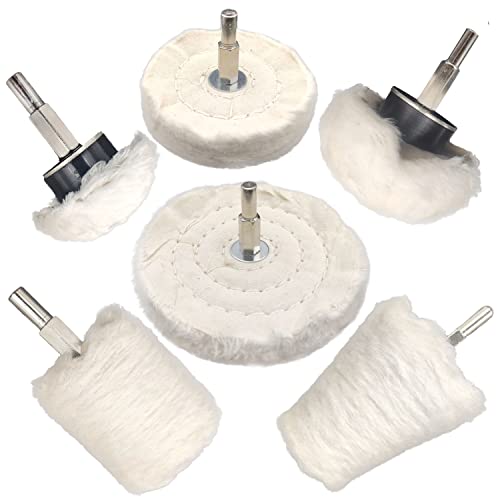
- chrome cleaning polish kit with buffing pads and metal polish
- 3-inch buffing pad chrome polishing kit with metal polish

Before You Start
Prepare a well-lit workspace and protect nearby finishes to avoid over-spray. Test any product on a small, inconspicuous area first to ensure compatibility. Time estimates vary by condition: light cleaning may take 20–40 minutes, while heavy corrosion could require multiple passes over a couple of hours. Wear gloves and eye protection during all steps to prevent skin or eye irritation.
Step-By-Step: How To Clean Oxidized Chrome
- Identify affected areas and choose a compatible chrome cleaning approach based on oxidation level.
- Apply a small amount of chrome rust remover to a soft pad or cloth and rub in a gentle circular motion over the oxidized patches.
- Rinse or wipe away residue with a clean microfiber cloth to prevent streaks before polishing.
- Apply a metal polish with a buffing pad, using even pressure to lift minor scratches and restore shine.
- Buff the surface with a clean pad or cloth until a smooth, reflective finish appears.
- Repeat polishing on any stubborn spots, then wipe clean and inspect the chrome for uniform brightness.
- Finish with a light, protective pass using a chrome-specific polish to seal the surface and deter future oxidation.
- For large or delicate fixtures, work in sections and allow drying time between passes to avoid smears.
- Reassess after 24 hours; if oxidation recurs, consider a more intensive rust remover treatment or professional assessment.
- Document any recurring issues to adjust maintenance practices and prevent future buildup.
Troubleshooting
| Symptom | Likely Cause | Fix | Prevention |
|---|---|---|---|
| Streaks after polishing | Residue left on surface | Wipe with a clean microfiber cloth dampened with water | Rinse thoroughly before final polish |
| Patchy dull areas | Uneven application | Apply thin, even coats and buff evenly | Use consistent pressure and fresh polish on each section |
| New oxidation appearing quickly | Exposure to moisture or salts | Reapply protective chrome polish | Wipe down after exposure and seal with polish |
| Scratches remain after polishing | Deep pits or heavy wear | Consider professional refinishing if needed | Routine gentle cleaning and timely polishing |
Common Mistakes
- Using abrasive cleaners or steel wool on chrome, which can create micro-scratches.
- Skipping a test patch on a hidden area before full application.
- Over-wetting polishing pads, which can dilute cleaners and reduce effectiveness.
To avoid issues, follow product instructions carefully and maintain a light touch during any rubbing or buffing.
Tips For Best Results
- Work in a shaded, dust-free area to prevent debris from embedding in the polish.
- Keep pads and cloths clean; dirty applicators reduce polishing efficiency.
- Use a dedicated chrome polish that contains protective sealants for long-lasting results.
- Test products on inconspicuous areas to confirm compatibility with the finish.
- Document the oxidation pattern to track improvements over successive sessions.
Call A Professional
Seek professional help if chrome shows severe pitting, deep corrosion, or structural damage that could compromise the fixture’s integrity. Look for signs such as flaking chrome, rust spreading under the coating, or loosening metal. If you’re unsure about the extent of damage or the appropriate products, a licensed refinisher or metal-care expert can provide safe, durable restoration.
FAQ
Can I use toothpaste to clean oxidized chrome?
Toothpaste can act as a mild abrasive but is not a substitute for purpose-made chrome polishes. It may leave residues or micro-scratches over time.
Is it safe to use a rust remover kit on bathroom chrome?
Yes, but test first on a small area and follow the product instructions to avoid damage to seals or coatings.
How often should I polish chrome to prevent oxidation?
Light maintenance every few weeks can prevent buildup; more frequent polishing may be needed in humid or coastal areas where corrosion occurs faster.
Will chrome polishing remove all rust?
Minor rust can be removed with proper polish, but heavy rust may require specialized rust removal treatments or professional refinishing.
Can I repaint chrome after cleaning?
Repainting is possible but requires proper surface preparation and a compatible coating; consult a professional for best results.
Buying Guide
When selecting products to clean oxidized chrome, consider size, application method, and the level of oxidation you’ll encounter. Choose a kit that includes both a rust remover or cleaner and a polishing compound with buffing pads for a complete solution. Look for packaging that specifies chrome-safe formulations and microfiber cloths for finishing.
Key factors to compare include:
- Size and scope: Larger kits cover more surface area, while compact kits are ideal for small fixtures.
- Noise level: Buffing operations generate some noise; virtually silent options are typically electric or manual but require effort.
- Energy efficiency: Manual polishing uses no electricity; electric polishers should have efficient motors and variable speeds.
- Controls and ease of use: Look for simple, clearly labeled controls and foolproof pads that minimize misapplication.
- Placement: Consider indoor vs outdoor use, and whether the product is suitable for bathroom, kitchen, or automotive chrome surfaces.
Choosing the right kit depends on how aggressively you want to treat oxidation, the size of the chrome surface, and how often you plan maintenance. A balanced approach combines a rust-removing step with a durable polishing phase to restore shine while deterring future corrosion. If persistent issues arise, consulting a professional can help determine whether refinishing is warranted.
Leave a Reply