How to Clean an Osprey Backpack
Maintaining an Osprey backpack extends its life and keeps its performance at what the brand promises. With proper cleaning steps and the right supplies, you can refresh both the fabric and hardware without compromising the pack’s integrity. This guide walks through safe methods, product recommendations, and practical tips tailored for nylon and synthetic materials commonly used in Osprey packs.
Quick Answer
For most Osprey backpacks, spot clean with a gentle fabric cleaner, brush away dirt with a microfiber cleaning cloth, and air dry away from direct heat. Use a gentle spray on nylon surfaces and a soft brush for stubborn stains. Always remove contents and empty all pockets before cleaning to prevent damage or staining.
What You’ll Need
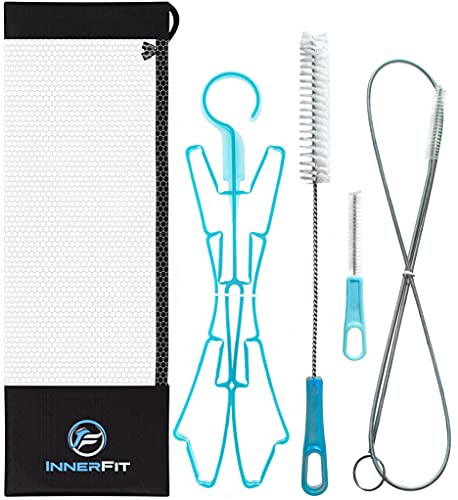
- Osprey backpack fabric cleaning brush kit microfiber
- Gentle fabric cleaner spray for nylon backpack Osprey
- Microfiber cleaning cloth set for backpacks nylon Osprey
- Soft sponge or cloth for soaking and blotting
- Old towels or a drying rack

Before You Start
Prepare a clean, shaded workspace away from direct sunlight to prevent fabric fading. Start by removing all items from the pack and emptying the compartments. Shake out loose dirt, then brush the exterior with a soft brush to dislodge dirt. For fabric, avoid harsh detergents and bleach that can degrade nylon. If the backpack has a rain cover, remove it and clean separately. Test any cleaner on a small hidden area first to ensure no color loss occurs. Time estimates vary; plan 20–60 minutes depending on how dirty the pack is.
Step-By-Step: How To Clean An Osprey Backpack
- Empty all pockets and disconnect any accessories; inspect zippers and buckles for debris.
- Lightly brush the exterior using the Osprey backpack fabric cleaning brush kit microfiber to remove surface dirt.
- Mix a small amount of gentle fabric cleaner spray for nylon backpack Osprey with water according to label directions, testing on a hidden area first.
- Dip a microfiber cleaning cloth in the diluted solution and wipe sections of the pack in gentle, circular motions; avoid saturating fabric.
- For stubborn stains, apply a focused amount of cleaner directly to the microfiber cloth and dab the spot rather than scrubbing aggressively.
- Wipe away any soap residue with a clean, damp microfiber cloth; ensure all areas are lightly moistened to prevent stiffness.
- Rinse the cloth and repeat wiping until no cleaner remains; use a dry towel to blot excess moisture.
- Air dry the backpack in a well-ventilated shade; hang it or lay it flat on a drying rack, avoiding heat sources like radiators or dryers.
- Reassemble accessories and rain cover once completely dry; check that zippers are clear of dirt before use.
- Inspect all straps and seams for dryness or wear after drying; perform any needed maintenance if you notice fraying or weakening.
- Optional: wipe down interior with a lightly damp microfiber cloth to remove odor or internal dust before storage.
- Store in a cool, dry place with buckles fastened and the pack partially filled to keep its shape.
Troubleshooting
| Symptom | Likely Cause | Fix | Prevention |
|---|---|---|---|
| Stains that won’t lift | Deep-set dirt or oily residues | Apply targeted cleaner and blot gently; repeat once | Clean promptly after exposure to spills |
| Discoloration after washing | Harsh cleaners or heat exposure | Use a gentler cleaner and air dry away from heat | Test cleaners on hidden areas first |
| Stiff fabric after drying | Excess soap residue | Wipe with clean, damp cloth until residue is gone | Avoid over-soaking |
| Faded colors | Direct sun during drying | Dry in shade or indoors | Pre-wash colorfastness check |
| Wet odors lingering | Interior moisture or trapped moisture | Air out thoroughly, use breathable storage | Dry completely before storage |
Common Mistakes
- Using hot water or harsh detergents that can damage nylon fabrics
- Submerging the entire pack in water or using a washing machine
- Not rinsing cleaning agents completely, leaving residue that attracts dirt
- Direct sun exposure or high heat during drying, which can warp or fade fabrics
- Neglecting zippers, fabric seams, and buckle areas that trap grime
Tips For Best Results
- Spot clean regularly between trips to prevent heavy buildup
- Use a microfiber cloth for gentle, lint-free cleaning that won’t scratch surfaces
- Apply cleaners to cloth, not directly onto the fabric, to control the amount of moisture
- Keep zippers lubricated with a silicone-based lubricant designed for outdoor gear
- Store backpacks with doors and pockets accessible to ensure even drying
- Protect the interior from moisture by airing out after rainy trips
Call A Professional
Consult a professional if the pack shows signs of significant damage, such as torn seams, compromised padding, or waterproof coatings that require reapplication. If colors are severely fading or hardware is corroded, a repair shop familiar with outdoor gear can assess options. Stop using the pack if any zipper or buckle fails during cleaning, and seek repair guidance to prevent further damage.
FAQ
Can I machine wash an Osprey backpack?
Machine washing is not recommended for most Osprey packs as it can damage padding, coatings, and straps.
Is it safe to use bleach on nylon backpacks?
No. Bleach can weaken fibers and cause color loss; use a gentle cleaner designed for nylon.
How long should I air dry my backpack?
Air dry until completely dry, which may take 24–48 hours depending on humidity and ventilation.
Can I clean the interior liners?
Yes, wipe the interior with a damp microfiber cloth and let it air dry before storing.
Buying Guide
When choosing cleaning supplies for an Osprey backpack, evaluate size, compatibility, and fabric compatibility. Consider the following factors to ensure effective cleaning without damaging materials:
- Size and coverage: Ensure cleaning tools reach seams and tough areas without over-saturating fabrics.
- Fabric compatibility: Use cleaners labeled for nylon and synthetic fabrics to preserve coatings and waterproofing.
- Ease of use: Quick-drying formulas and microfiber cloths simplify routine maintenance.
- Safety: Look for non-toxic, environmentally friendly ingredients.
- Storage compatibility: Keep products away from children and in a cool, dry place.
Additional buying perspectives include comparing the spread of included tools (brushes vs. cloths), the availability of refill options, and how well a kit complements routine care. For frequent travelers and hikers, investing in a compact cleaning kit that travels well can save time and keep packs in top condition between trips. If in doubt, start with a basic gentle cleaner and microfiber set, then add specialized brushes for deeper cleaning as needed.
Leave a Reply