How to Clean Old Cloudy Glass Bottles
Cloudy, dull glass bottles can ruin the look of collectibles or home decor. Restoring clarity requires a simple, repeatable process that tackles mineral deposits, algae, and ingrained residues without scratching delicate surfaces. This guide walks American homeowners through practical steps, using common tools and safe techniques.
Quick Answer
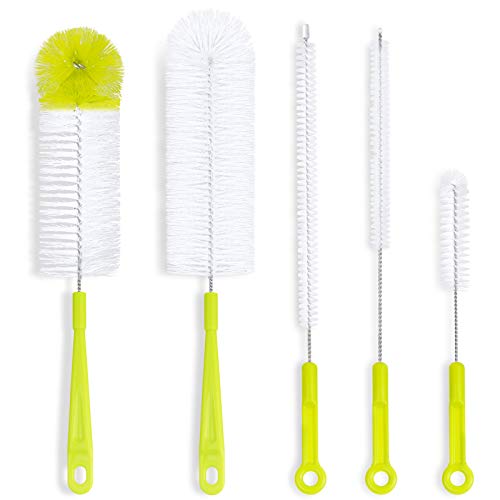
For most cloudy glass bottles, start with a thorough rinse, then soak in a mild cleaning solution. Use a long-handled glass bottle cleaning brush set to reach deep corners, followed by a narrow-neck glass bottle brush with straw cleaner for stubborn deposits. Finish with a glass bottle polishing cloth kit to restore shine.
What You’ll Need
- Long-handled glass bottle cleaning brush set
- Narrow-neck glass bottle brush with straw cleaner
- Glass bottle polishing cloth kit for restoring clarity
- Non-abrasive sponge or microfiber cloth
- White vinegar or lemon juice (diluted in water)
- Distilled water
- Non-scratch bottle scrubbers or soft bristle brushes
<liOptional: denture cleaning tablets or oxygen bleach (sodium percarbonate) for tough stains


Before You Start
Check the bottle for cracks or sharp edges that could cause injury or leaks. Work in a well-ventilated area and wear gloves to protect skin from cleaners. If a bottle has decorative coatings or labels, avoid soaking for extended periods. Time estimates vary: light cloudiness may take 15–30 minutes; heavily stained glass could require 1–2 hours across steps. Important cautions: never use abrasive pads on antique or delicate glass, and never mix bleach with ammonia or acidic cleaners in confined spaces.
Step-By-Step: How To Clean Old Cloudy Glass Bottles
- Rinse the bottle with warm water to remove loose dust and residue.
- Fill the bottle with a cleaning solution: equal parts white vinegar and water, or a mild dish soap solution. Swirl gently to avoid splashes.
- Let soak for 15–30 minutes to loosen mineral deposits and film from aging.
- Use the long-handled glass bottle cleaning brush set to scrub the interior walls, focusing on cloudy patches. Move in circular motions to lift buildup.
- For narrow necks, switch to the narrow-neck glass bottle brush with straw cleaner to reach the bottom and curves without scratching.
- If stains persist, add a small pinch of oxygen bleach or denture tablets to hot water and soak for 20–40 minutes. Rinse thoroughly after soaking.
- Rinse the bottle several times with distilled water to remove all cleaning residues. Hold the bottle upside down to drain completely.
- Dry the bottle with a soft microfiber cloth or air-dry on a clean rack. Avoid leaving water spots by patting and then air-drying.
- Apply the glass bottle polishing cloth kit to buff the exterior and restore clarity. Use gentle, even strokes in a circular pattern.
- Inspect for remaining cloudiness. Repeat targeted brushing and rinsing if necessary, then store upright to prevent new residue buildup.
Troubleshooting
| Symptom | Likely Cause | Fix | Prevention |
|---|---|---|---|
| Persistent milky film | Hard water deposits | Soak longer in vinegar solution; re-scrub with long-handled brushes | Use distilled water for final rinse |
| Streaky exterior | Residual cleaner or minerals | Rinse thoroughly and buff with polishing cloth | Dry promptly after cleaning |
| Scratches visible | Abrasive scrubbing | Switch to soft brushes; avoid scouring pads | Use protective, non-abrasive tools |
| No improvement after soaking | Multiyear encrustation | Combine soaking with targeted brushing and optional oxygen bleach | Regular maintenance to prevent buildup |
| Interior coating wear | Delicate artwork or finish | Limit soaking; focus on exterior clarification only | Consult professional care if valuable |
Common Mistakes
- Using abrasive pads that scratch glass
- Over-soaking decorative bottles with fragile finishes
- Rinsing with hot water on glass that cracks under rapid temperature change
- Neglecting to dry interiors, leading to mineral spots
- Ignoring safety guidelines when using chemical cleaners
Avoiding these missteps helps preserve the bottle’s integrity while achieving clearer results.
Tips For Best Results
- Always start with the gentlest method and escalate only if needed.
- Rinse with distilled water to minimize mineral deposits from tap water.
- Keep a dedicated set of brushes for glass bottles to avoid cross-contamination with other cleaning tasks.
- For textured or embossed glass, use a soft brush that can reach recessed areas without damage.
- After polishing, store bottles in a dry, dust-free area to maintain clarity longer.
Call A Professional
Seek professional help if a bottle is highly valuable, antique, or shows significant cracks, warping, or lead-containing finishes. Stop cleaning and consult a conservator if any residue seems to be leaching or if the bottle is stabilized with fragile materials.
FAQ
Can I use regular dish soap to clean cloudy glass bottles?
Yes, for light cleaning. For tougher haze, combine soap with vinegar or oxygen bleach following the product labels.
Are there risks cleaning antique bottles at home?
Yes, improper cleaning can damage label decals, coatings, or structural integrity. When in doubt, test on an inconspicuous area or consult a professional.
What is the best way to dry bottles after cleaning?
Pat dry with a soft cloth, then air-dry upside down on a rack to ensure complete moisture removal.
How often should I clean glass bottles to prevent cloudiness?
Regular light cleanings every few months help prevent heavy buildup and simplify future polishing.
Will polishing cloths damage the glass?
When used as directed, polishing cloths restore shine without scratching. Avoid aggressive rubbing or abrasive surfaces.
Buying Guide
Choosing the right tools and accessories helps ensure effective cleaning while protecting glass. Consider these factors:
- Size and capacity: Select brushes that reach the bottle’s neck and interior without forcing fits. Longer handles are useful for large or tall bottles.
- Noise level: Cleaning tools are typically quiet, but electric components should be evaluated for noise if used in a quiet space.
- Energy efficiency: Not a primary concern for manual cleaning, but powered brushes should be energy-conscious.
- Controls and ergonomics: Look for comfortable grips and easy-to-control brushes that reduce hand fatigue.
- Placement: Store tools in a dry, accessible area near the sink to streamline cleaning sessions.
- Material compatibility: Ensure brushes and cloths are non-abrasive and safe for delicate glass and any decorative finishes.
- Bundle options: A combined set like a long-handled brush set plus a narrow-neck brush often covers most cleaning scenarios.
For this specific task, the recommended toolkit typically includes a long-handled glass bottle cleaning brush set, a narrow-neck glass bottle brush with straw cleaner, and a glass bottle polishing cloth kit for restoring clarity. These components work together to both remove buildup and restore a crystal-clear appearance. When selecting, consider whether you primarily clean standard bottles or specialize in narrow-neck vessels, and choose accordingly.
Leave a Reply