How to Clean Oil Off Cabinets
Oil splashes and grease buildup on kitchen cabinets can dull finishes and attract more grime. This guide provides a practical, step-by-step approach using common household products and the listed tools to restore clean, streak-free cabinet surfaces.
Quick Answer
Start with a gentle surface-friendly cleaner, then switch to a specialized degreaser for stubborn spots. Use a non-scratch scrub brush for tough grease and finish with a microfiber cloth to prevent streaks. Always test a small area first and dry thoroughly.
What You’ll Need
The following tools and supplies are recommended to remove kitchen cabinet grease effectively:
- Wood cabinet degreaser spray for kitchen cabinets
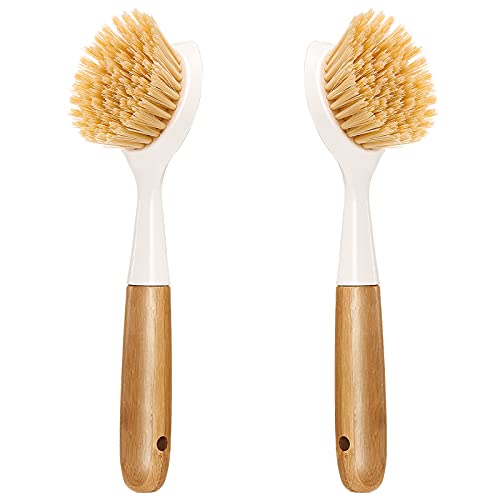
- Non-scratch scrub brush for kitchen cabinet grease removal
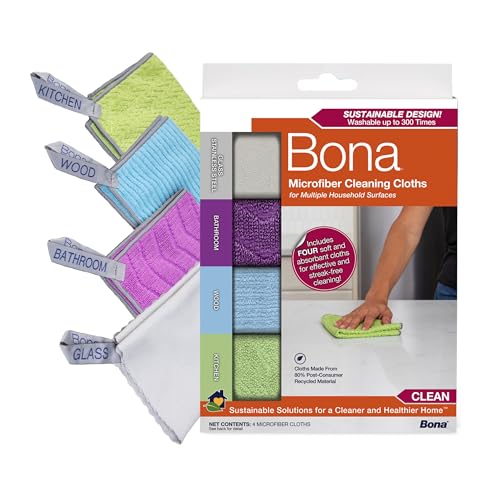
- Microfiber cleaning cloth for cabinet grease
- Water and mild dish soap for initial cleaning
- Optional protective gloves to keep hands clean

Before You Start
Before cleaning, ensure the area is well-ventilated. Remove any items from cabinet doors and protect nearby surfaces with a towel or plastic sheeting. Work in the shade or indoors to avoid sun shining on wet surfaces. Allow for a time range of 15–60 minutes, depending on the grease severity. Important cautions: avoid harsh solvents that can strip finishes; never apply cleaners to unfinished wood or painted surfaces not rated for chemical contact without testing first.
Step-By-Step: How To Clean Oil Off Cabinets
- Remove loose dust with a dry microfiber cloth to start with a clean slate.
- Dip a microfiber cloth in warm, soapy water and wipe down the cabinet surfaces to loosen surface grease.
- Apply wood cabinet degreaser spray for kitchen cabinets to a clean cloth or directly onto the grease spots, following label directions.
- Gently scrub with a non-scratch scrub brush for kitchen cabinet grease removal on stubborn areas, working in the direction of the wood grain.
- Wipe away residue with a fresh microfiber cloth. Rinse the cloth with clean water and repeat as needed until grease is removed.
- For persistent stains, reapply the degreaser and let it sit for a minute before scrubbing again.
- Dry the surface completely with a dry microfiber cloth to prevent water damage or streaking.
- Inspect for any remaining residue. If necessary, repeat the cleaning step on affected areas only.
- Finish with a light, dry buff to restore the cabinet’s natural sheen.
- Return items to their places and store cleaning supplies in a dry area away from heat sources.
- Schedule routine touch-ups to prevent grease buildup from becoming entrenched.
- Consider applying a cabinet-safe protective top coat if the finish appears worn after heavy cleaning.
Troubleshooting
| Symptom | Likely Cause | Fix | Prevention |
|---|---|---|---|
| Grease reappears after cleaning | Residual oil remains in pores or on grain | Reapply degreaser and scrub with brush; rinse thoroughly | Wipe down regularly; address cooking splatter quickly |
| Streaks or cloudy finish | Improper drying or use of wrong cleaner | Buff with dry microfiber cloth; use recommended degreaser | Test cleaner on inconspicuous area first |
| Finish dulls or fades | Harsh solvents or over-scrubbing | Stop using aggressive cleaners; switch to milder products | Use cabinet-safe products and gentle motions |
| Water spots appear | Excess moisture during cleaning | Dry surfaces promptly with a towel | Work in small sections and avoid soaking wood |
Common Mistakes
- Using abrasive scrubbers that scratch the cabinet finish
- Applying cleaners directly to unfinished wood or painted edges without testing
- Rubbing too vigorously, which can remove varnish or stain over time
- Skipping the drying step, leaving moisture in crevices
- Neglecting to test cleaning products on a hidden area first
By avoiding these missteps, cabinets maintain their color and luster longer while resisting future grease buildup.
Tips For Best Results
- Regularly wipe cabinets with a damp microfiber cloth to prevent oil buildup from becoming stubborn.
- Clean from top to bottom to prevent dirty runoff onto already-clean areas.
- Use a dedicated degreaser product designed for wood cabinet finishes to minimize risk.
- Schedule periodic maintenance, especially near cooking zones where splatter is common.
- Store cleaning tools in a breathable caddy to avoid mildew and odors.
Call A Professional
Consider professional help if the cabinet finish shows peeling, discoloration, or peeling varnish after cleaning. Seek immediate assistance if oil has seeped into the wood or if there is extensive water damage, warping, or mold growth. Signs that require an expert include persistent staining despite repeated cleaning and any structural damage to cabinet doors or frames.
FAQ
Can I use household degreaser on all cabinet finishes?
Most cabinet finishes tolerate a mild degreaser, but always test a small, inconspicuous area first to avoid damage.
Is it safe to spray degreaser directly on wood cabinets?
Yes, but limit saturation and wipe away excess liquid promptly to prevent moisture intrusion.
What if there are oil stains on painted cabinet doors?
Use a degreaser on a cloth and work gently in a circular motion; avoid scouring scratches into paint.
How often should I clean grease off kitchen cabinets?
Light cleaning every 1–2 weeks is typically sufficient; deep cleaning every 1–3 months depending on cooking habits.
Can I use vinegar-based cleaners for grease on wood cabinets?
Vinegar is mild and can be used in small amounts, but test first as acidic solutions may affect certain finishes.
Buying Guide
Choosing the right cleaning approach for oil on cabinets involves evaluating size, noise, and care needs, among other factors. When comparing products, consider how a degreaser interacts with your cabinet finish and how easy it is to use without leaving residues. Look for simple, effective formulas and tools that minimize surface wear.
Key buying factors include:
- Size and coverage: Choose a product that provides enough coverage for your cabinet area without frequent reapplication.
- Noise level: Manual scrubbing is quiet, while powered tools can be louder; select based on tolerance for noise in the kitchen.
- Energy efficiency: Not directly tied to cleaning, but consider reusable microfiber cloths and brushes to minimize waste.
- Controls and usage: Look for easy-to-follow spray directions, safe-to-use labels, and clear contact times.
- Placement and storage: Keep cleaners in a cool, dry place away from heat and food areas; store brushes and cloths separately to avoid cross-contamination.
For best results, select a wood cabinet degreaser spray for kitchen cabinets paired with a non-scratch scrub brush for kitchen cabinet grease removal and a microfiber cleaning cloth for cabinet grease. This trio covers initial loosening, targeted scrubbing, and final buffing to a streak-free finish.
Leave a Reply