How to Clean Night Retainers
Night retainers help protect dental alignment after orthodontic treatment, and proper cleaning is essential to keep them hygienic and odor-free. This guide provides a practical, step-by-step approach for everyday cleaning using common at-home tools and products.
Quick Answer
Clean nightly using a gentle routine: rinse after removal, soak in a denture or retainer-specific cleaner, and brush lightly with a soft brush. Rinse thoroughly before reinserting. Avoid hot water or abrasive cleaners that can warp or scratch the appliance.
What You’ll Need
- Ultrasonic denture cleaner for retainers
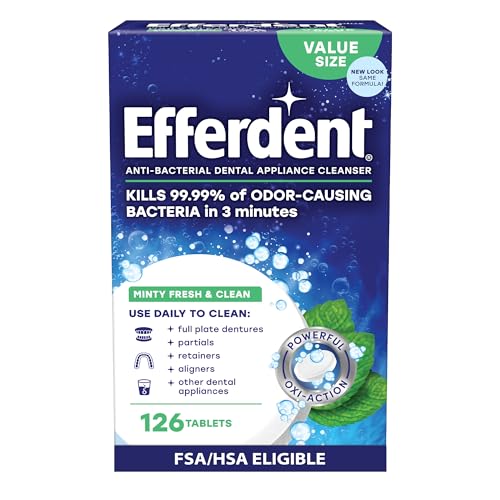
- Retainer cleaning tablets night guard
- Retainer cleaning brush with case


Before You Start
Prepare a daily routine that fits into the evening schedule. Always handle the retainer over a sink filled with water to prevent damage if it slips. Soak times vary by product; follow package instructions. Avoid hot water, bleach, or whitening agents as they can distort or degrade materials. If the retainer fits snugly, test a small amount of cleaner first to ensure no irritation occurs in the mouth.
Step-By-Step: How To Clean Night Retainers
- Remove the retainer and rinse it under cool running water to remove loose debris.
- Brush the exterior and accessible surfaces with a retainer cleaning brush with case, using a soft, non-abrasive bristle motion.
- Fill a clean cup with cool or warm (not hot) water and add a recommended retainer cleaning tablet night guard according to product directions.
- Place the retainer in the soaking solution and let it sit for the prescribed time, typically 5–15 minutes for most brands.
- After soaking, remove the retainer and gently brush again if visible residue remains, focusing on ridges and the underside.
- Rinse thoroughly under cool running water to remove any cleaning solution residue.
- Gently pat dry with a clean lint-free cloth or allow it to air dry in its case before storing.
- Disinfect the case by washing it with mild soap and water at least weekly, then dry completely before reusing.
- Store the retainer in a clean, ventilated case when not in use to reduce bacteria buildup.
- If any odor or film persists after cleaning, repeat the process or switch to an ultrasonic cleaner designed for retainers.
- For travel, pack a compact cleaning solution or wipes and a travel brush to maintain routine on the go.
Troubleshooting
| Symptom | Likely Cause | Fix | Prevention |
|---|---|---|---|
| Persistent cloudy film | Mineral deposits or residue | Use denture-safe cleaning tablets; avoid hot water | Rinse after meals; soak daily |
| Unpleasant odor | Bacteria buildup | Clean with appropriate cleaning tablets and brush thoroughly | Regular daily cleaning and dry storage |
| Discoloration | Staining from pigments or improper cleaners | Switch to recommended products; avoid colored mouthwashes | Perform routine cleanings as directed |
| Ridges or rough texture | Abrasive brushing or harsh cleaners | Use a soft brush and non-abrasive cleaner | Gentle handling, avoid scrubbing with hard tools |
Common Mistakes
- Using hot water or boiling water, which can warp materials
- Using toothpaste or abrasive cleaners that scratch retainer surfaces
- Forgetting to rinse fully after soaking, leaving chemical residues
- Storing the retainer in a closed case while still wet, encouraging mold growth
Tips For Best Results
- Set a nightly routine: rinse, soak, brush, rinse, and store in a dry case.
- Keep cleaning products separate from regular toothpaste to avoid cross-contamination.
- Label the storage case and keep it clean; replace it if it shows wear or cracks.
- Check the fit regularly; a loose fit may indicate wear or damage requiring assessment.
- Coordinate with dental professionals if there are persistent cleanliness issues or discomfort.
Call A Professional
Seek professional help if the retainer shows cracks, significant warping, or if there is persistent redness or irritation after insertion. Sudden changes in fit or recurring odors may indicate material breakdown or wear that needs clinical evaluation.
FAQ
Can I use regular toothpaste to clean my night retainer?
No. Regular toothpaste can be abrasive and may scratch or dull the retainer’s surface. Use a soft-bristled brush with mild cleaners designed for retainers.
How often should I replace my night guard or retainer?
Replacement frequency depends on wear and guidance from a dental professional. Inspect for cracks, warping, or odor, and replace promptly when integrity is compromised.
Is an ultrasonic cleaner safe for retainers?
Yes, ultrasonic cleaners can be effective for deep cleaning. Use models labeled safe for dental appliances and follow the manufacturer’s instructions.
What should I do if the retainer smells after cleaning?
Increase rinsing after soaking, consider an additional brief soak cycle, and ensure the storage case is clean and dry before use.
Should I soak my retainer every day?
Daily soaking is common when using cleaning tablets or ultrasonic cleaners; however, follow the product’s directions and your dentist’s recommendations.
Is it safe to drink water while the retainer is in the mouth?
It’s safe to drink water, but avoid hot beverages or acidic drinks that could affect fit or cleanliness.
How can I prevent color and mineral buildup?
Rinse after meals, use appropriate cleaning products, and store in a clean dry case to deter mineral deposits.
Buying Guide
When selecting products to maintain night retainers, consider size, compatibility, and ease of use. For cleaners, look for items specifically labeled for retainers or dentures, and verify compatibility with the material of the night guard. Noise level is typically not a concern for at-home tablets or ultrasonic devices, but convenience matters for daily use. Energy efficiency is relevant mainly for electric devices; choose a compact, energy-efficient ultrasonic cleaner if you prefer mechanical cleaning. Controls should be straightforward, with clear instructions. Placement options include a sink, countertop, or bathroom cabinet—choose a spot that minimizes splashes, is accessible, and keeps the retainer away from heat sources. Compare brands by cleaning efficacy, material safety, and user reviews to balance performance and value.
Leave a Reply