How to Clean New Earrings Before Wearing Them
New earrings often come with oils, manufacturing residues, or packaging agents that can irritate the skin. Proper cleaning before first wear helps prevent reactions and ensures a pristine look. This guide covers practical, safe methods using common jewelry cleaners and simple household options, tailored for American households and everyday use.
Quick Answer
Clean new earrings before first wear to remove oils and residues. Use a dedicated earring cleaning kit or ultrasonic cleaner for best results, then rinse and dry thoroughly. Always follow product instructions and test on a small area if you’re unsure.
What You’ll Need
- Earring cleaning kit stainless steel jewelry cleaner for metal earrings and durable cleanings
- Ultrasonic jewelry cleaner for earrings for deep cleaning of intricate designs
- Jewelry cleaning solution for gold silver earrings kit to tailor cleaning to metal type
- Soft-bristle brush or old toothbrush
- Lint-free cloth or microfiber towel
- Warm water bowl
 |
CONNOISSEURS All-Purpose Jewelry Cleaning Kit – Includes Delicate Jewelry Cleaner Solution and 2 Polishing Cloths | |
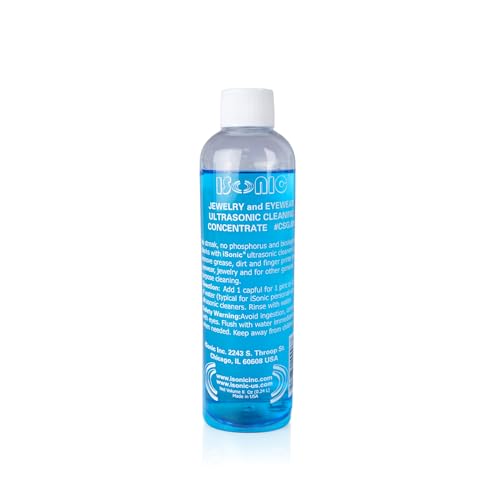 |
iSonic CSGJ01-8OZx1 Ultrasonic Jewelry/Eye Wear Cleaning Solution Concentrate,Blue |
Before You Start
Before handling new earrings, wash hands with soap and water. Inspect each piece for loose stones or damaged backs that could snag during cleaning. If an earring has delicate components or gemstones, use the gentlest method first. Never use abrasive powders on coated or plated surfaces, as they can wear away protective finishes. Plan for a 10–20 minute cleaning session per pair, plus drying time.
Step-By-Step: How To Clean New Earrings
- Prepare a cleaning station with a bowl of warm water and a clean workspace to prevent dropping pieces.
- Choose a cleaning method: kit-based cleaner for general alloy earrings or ultrasonic cleaner for heavily soiled items. For gold or silver, consider a dedicated jewelry cleaning solution.
- Remove any plastic or silicone stoppers carefully to avoid bending posts or hooks.
- If using a cleaning solution, mix it according to the bottle directions in the warm water. Do not use boiling water, which can damage finishes.
- Dip a soft brush into the solution and gently scrub the earring surfaces, paying attention to crevices around settings and backs.
- For ultrasonic cleaning, place earrings in the device’s basket and run a short cycle as recommended by the manufacturer. Do not exceed the suggested time to avoid potential loosening of stones.
- Rinse thoroughly under lukewarm running water to remove any cleaning residue. Residue can irritate skin if left on the surface.
- Pat dry with a lint-free cloth. Allow to air-dry fully in a clean area before wearing or storing.
- Reinspect for any missed spots, loose stones, or bent posts. If issues are found, repeat cleaning or consult a professional.
- Store clean earrings in a dry, dust-free container away from direct sunlight to preserve shine and prevent tarnish.
- Attach backs securely and perform a quick final check to ensure comfort and fit before wearing.
Troubleshooting
| Symptom | Likely Cause | Fix | Prevention |
|---|---|---|---|
| Stains or dull finish after cleaning | Incompatible cleaner with metal finish | Switch to a cleaner formulated for that metal (gold, silver, or steel) | Test in a small area first |
| Post or hook bent after cleaning | Rough handling or delicate design | Handle with care; consider professional adjustment | Use protective storage and gentle brushes |
| Gemstone loose after cleaning | Excessive cleaning cycle or agitation | Limit ultrasonic exposure; re-secure stones | Follow manufacturer’s cycle times |
| Allergic skin reaction | Residue from cleaner or metal sensitivity | Rinse well and switch to hypoallergenic cleaner | Choose metals less likely to trigger reaction |
Common Mistakes
- Using abrasive cleaners on plated or coated finishes, which can wear away color and shine.
- Submerging porous gemstones or leather-backed earrings in water or cleaners.
- Rushing the drying step, leaving moisture that can promote tarnish or irritation.
- Ignoring manufacturer instructions for ultrasonic cleaners, especially cycle length and temperature.
Tips For Best Results
- Match cleaner to metal: gold, silver, and stainless steel often respond best to metal-specific solutions.
- For sensitive ears, opt for fragrance-free and hypoallergenic formulas to minimize irritation.
- Gently pat dry rather than rubbing to preserve finish and minimize micro-scratches.
- Schedule regular cleanings as part of jewelry upkeep; this helps preserve shine and prolong life.
- Consider a dedicated storage pouch or jewelry box with anti-tarnish lining to minimize exposure between wearings.
Call A Professional
Stop and consult a professional if you notice any signs of damage—such as a loose stone, bent post, or visible corrosion—that cleaning cannot resolve. Seek a jeweler’s assistance for re-setting stones, repairing clasps, or replacing components. If irritation persists after cleaning, discontinue wearing the earrings and consult a dermatologist.
FAQ
Can I clean new earrings with household cleaners?
Yes, but choose gentle cleaners designed for jewelry to avoid damage. Avoid strong household chemicals that can harm metals or finishes.
Is ultrasonic cleaning safe for all earrings?
Generally safe for many metal earrings, but avoid ultrasonic cleaning for porous stones, delicate settings, or glued components unless the manufacturer approves it.
How often should new earrings be cleaned?
Clean after purchase or before first wear, then follow a regular maintenance schedule based on wear frequency and exposure to elements.
What if I still have residue after cleaning?
Repeat the cleaning process with a fresh solution, or switch to a gentler method, and rinse thoroughly. If residue persists, consult a jeweler.
Should I use different cleaners for gold vs. silver?
Yes, use cleaners formulated for the specific metal to prevent tarnish or damage and to maintain luster.
Can I clean with toothpaste?
Not recommended; toothpaste is abrasive and can scratch delicate finishes.
Buying Guide
Choosing the right cleaning approach for new earrings depends on several factors. Start with the size and type of metal, then consider noise expectations if using an ultrasonic cleaner at home. Energy efficiency matters if you plan frequent cleaning sessions or use an electric ultrasonic device. Controls and ease of use matter for quick maintenance, especially when cleaning multiple pairs. Placement matters too—store earrings away from moisture and direct sunlight to prevent tarnish. When comparing kits, look for included materials that cover your metal type and the easiest maintenance routine. For best results, select a cleaning setup that combines a dedicated cleaner suitable for your jewelry with a reliable ultrasonic option for tough grime, and always follow the manufacturer’s instructions.
Leave a Reply