How to Clean Needoh Devices Safely and Effectively
Needoh devices can benefit from regular, careful cleaning to maintain performance and longevity. This guide focuses on practical methods that use widely available tools and safe cleaning agents while protecting sensitive electronics.
By following a clear process, users can remove dust, grime, and residues without risking damage to components or finishes. The steps below are tailored to small electronics and related accessories, with emphasis on controlled cleaning and safe drying.
Quick Answer
Prepare a gentle workflow: power down and unplug, use a mild solvent and a soft brush for surfaces, employ a non-abrasive dust blower for hard-to-reach areas, and finish with a dry cloth. For stubborn grime, an electronics cleaning kit brush isopropyl alcohol 99% can be used on non-lubricated surfaces, followed by thorough drying. Avoid soaking, and never apply liquids directly to openings or inside sealed components.
What You’ll Need
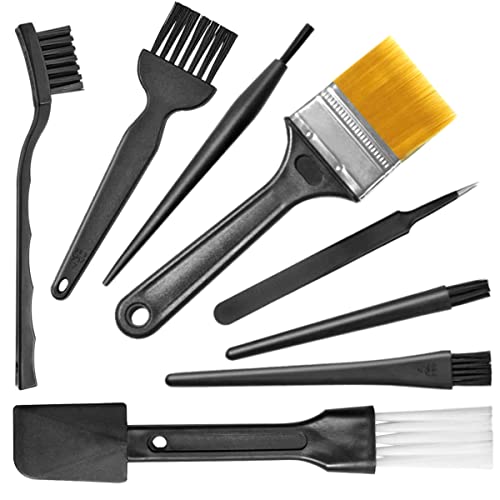
- Electronics cleaning kit brush
- Isopropyl alcohol 99%
- Dust blower
- Ultrasonic cleaner for small parts jewelry (for approved uses)
- Soft microfiber cloths
- Small brushes with soft bristles
- Safety glasses and gloves

Before You Start
Before cleaning, power off the device and unplug it from any power source. Remove batteries if possible. Work in a well-lit, dust-free area on a clean, non-slip surface. Avoid liquids near connectors, ports, and openings, and never submerge non-waterproof components. Allow components to dry completely before reassembly and use. Have a small, quiet work space ready to prevent accidental droplets from reaching other electronics.
Step-By-Step: How To Clean Needoh Devices
- Power down the device and disconnect all cables. Remove removable batteries if applicable.
- Gently blow away loose dust with a dust blower from a safe distance to avoid pushing dust deeper into crevices.
- Dip a precision electronic cleaning brush set lightly into isopropyl alcohol 99% and brush away settled dust on exterior surfaces, avoiding ports and seams.
- For stubborn grime, use the electronics cleaning kit brush with minimal liquid pressure; wipe in small circular motions and dry immediately with a microfiber cloth.
- If using an ultrasonic cleaner for small parts jewelry, confirm the device is rated for electronics and place only non-magnetic, non-porous parts inside. Run a short cycle at a low temperature, then air-dry completely.
- Rinse or wipe away any residue with a clean cloth dampened with isopropyl alcohol 99%, then dry thoroughly with a microfiber cloth.
- Inspect ports, vents, and seams for leftover grime. Repeat careful brushing where needed, then dry again. Do not press liquids into openings.
- Reassemble components after ensuring all parts are completely dry. Power up and test basic functions before normal use.
Troubleshooting
| Symptom | Likely Cause | Fix | Prevention |
|---|---|---|---|
| Device won’t power on after cleaning | Residual moisture in internal components | Reopen, dry thoroughly, and wait longer before powering | Allow extra drying time in a warm, dry area |
| Streaks or residue on surfaces | Excess cleaning solution during wipe | Wipe with a dry microfiber cloth; re-clean if needed | Apply minimal liquid and wipe promptly |
| Abrasion on finish | Brushing too aggressively or using harsh solvents | Switch to softer brush and gentler strokes | Test on a hidden area first |
| Ports not seating properly | Debris inside connectors | Lightly brush and blow; avoid forcing items in | Use long, narrow tools designed for electronics |
Common Mistakes
- Over-soaking devices or submerging electronic components
- Using alcohol on coated or lacquered finishes without testing
- Brushing too hard, which can scratch delicate surfaces
- Forgetting to dry completely before reassembly
- Cleaning while plugged in or while batteries are installed in risky configurations
Tips For Best Results
- Work in short, controlled sessions to reduce exposure time for solvents
- Keep an ample supply of clean microfiber cloths and soft brushes on hand
- Use isopropyl alcohol 99% sparingly on sensitive parts; never on porous or open fabrics
- Test any solvent on a discreet area before full cleaning
- Label parts during disassembly to ensure correct reassembly
Call A Professional
Consider a professional if the device has:
- Water or liquid ingress into sealed areas
- Important components near sensitive circuits or displays
- Uncertainty about using an ultrasonic cleaner with jewelry-grade cycles
- Cracked screens, swollen batteries, or signs of corrosion
In these cases, seek authorized repair services or device manufacturer guidance to avoid warranty voids or further damage.
FAQ
Can I use an ultrasonic cleaner for Needoh parts?
Yes, but only for non-electronic, non-porous components and at a low temperature with careful timing and thorough drying afterward.
Is isopropyl alcohol 99% safe on plastic surfaces?
Generally safe on many plastics; test a small area first and avoid prolonged exposure on flexible coatings.
How long should I let the device air dry after cleaning?
At least several hours, preferably overnight, to ensure complete evaporation of solvent residues.
What precautions prevent damage during cleaning?
Power off, unplug, avoid ports, use soft brushes, and limit liquid contact to exterior surfaces only.
What should I do if water gets into a port?
Do not power on. Dry the exterior, use a gentle blower, and seek professional service if moisture remains.
Can I clean batteries and removable parts with this method?
Yes for non-replaceable batteries on devices that allow it; otherwise, remove batteries first and follow manufacturer guidelines.
Buying Guide
When selecting cleaning gear for Needoh devices, consider size, noise, energy efficiency, controls, and placement in your workspace. A compact kit with a soft brush set and a gentle solvent is often sufficient for routine maintenance, while the ultrasonic cleaner can help with stubborn grime on small parts when used correctly. Look for equipment with clear instructions, compatibility notes for electronics, and a portable design that fits your work area. Consider a bundle that includes a precision electronic cleaning brush set, a reliable dust blower, and a safe container for ultrasonic cleaning if you plan to tackle small components. Evaluate the balance between ease of use and the ability to reach tight corners in Needoh devices. For quiet environments, pay attention to the noise ratings of the cleaner and dryer steps in your routine. Lastly, ensure replacement brushes and pads are readily available to maintain effectiveness over time.
Leave a Reply